
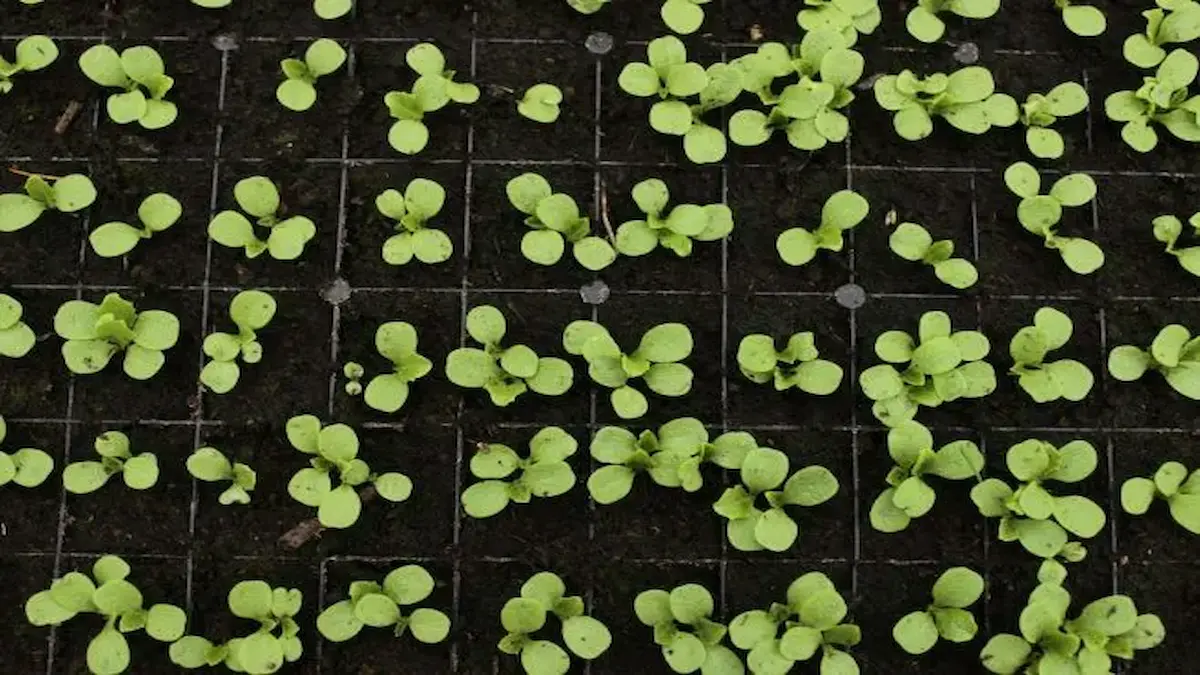
March is the hinge month. In Zones 7–8, the soil is already moving. In Zones 5–6, you’re still weeks from last frost — but the clock is running indoors. This is the seed-starting window you cannot get back.
Quick Answer — What to Do Right Now
Zone 5–6: Start tomatoes, peppers, and eggplant indoors now (8 weeks before last frost). Direct sow peas and spinach if soil is workable. Do not transplant anything tender outside yet — last frost is still 6–8 weeks away.
Zone 7: Harden off brassica seedlings. Direct sow cool-season crops (lettuce, carrots, beets, chard). Start warm-season seeds indoors. Last frost arrives late March to mid-April.
Zone 8: March is your average last frost month. Transplant hardened brassicas under row cover. Begin hardening off tomato and pepper seedlings started in February.
According to the Old Farmer’s Almanac 2026 planting calendar, the average last frost date for most of the Northeast and Midwest falls between April 15 and May 15 — meaning March is not the month to plant out, but it is absolutely the month to be sowing indoors, preparing beds, and getting cool-season crops into the ground wherever the soil allows. Miss this window and your summer harvest shifts back by weeks. Get it right and you’ll be eating lettuce from the garden while your neighbors are still shopping for transplants.
The most common March mistake is waiting. Gardeners in cold zones watch the weather, see a frost warning, and decide to hold off on everything. But many March tasks — especially indoor seed starting — are entirely independent of outdoor conditions. What happens inside on your seed-starting shelf in the first two weeks of March determines what you’re transplanting in May. The soil outside is irrelevant to that decision.
Zone-by-Zone: What to Sow and Where in March 2026
| Zone | Avg. Last Frost | Start Indoors Now | Direct Sow Outdoors | Status |
|---|---|---|---|---|
| Zone 5 Northeast, Upper Midwest | May 7–15 | Tomatoes, peppers, eggplant, celery, leeks, onions | Nothing yet — soil too cold/wet. Peas if ground workable. | Indoors only |
| Zone 6 Mid-Atlantic, Ohio Valley | April 15–30 | Tomatoes, peppers, eggplant, basil, annual flowers | Spinach, peas, onion sets (late March if dry) | Mostly indoors |
| Zone 7 Virginia, Tennessee, Pacific NW | March 30 – April 15 | Tomatoes, peppers, cucumbers, squash (late March) | Lettuce, spinach, beets, carrots, chard, peas, radishes | Both active |
| Zone 8 Pacific Coast, Deep South | Feb 28 – March 15 | Squash, cucumbers, melons (late March for summer crops) | Most cool-season crops. Transplant hardened brassicas. | Outdoor season open |
Sources: Old Farmer’s Almanac 2026 · Sow True Seed Zone Calendars · Elm Dirt Zone Guide 2026
Why March Seed Timing Actually Matters
Tomatoes need 6–8 weeks of indoor growth before they’re ready to transplant. Peppers need 8–10 weeks. Start them too late and you transplant small, underdeveloped seedlings into warming soil — and the plants spend the first month catching up rather than producing. Johnny’s Seeds’ planting calculator illustrates the math clearly: work backwards from your last frost date. For a May 10 last frost in Zone 5, tomatoes started on March 15 are exactly right. Started April 1, they’re three weeks behind at transplant.
Outdoors, the variable is soil temperature, not air temperature. Cool-season crops — peas, spinach, lettuce, carrots — germinate in soil as cold as 40–45°F. The reason many gardeners fail with early peas isn’t frost damage to the plants — established peas handle light frost well — it’s seeds rotting in cold, waterlogged soil before they germinate. The fix is simple: wait until the soil is no longer saturated, even if that means late March or early April.
What to Do Now: March Tasks by Category
Indoor Seed Starting
✓ Start These Indoors in March — All Zones
- Tomatoes— 6–8 weeks before last frost. Use bottom heat (70–75°F) for faster germination. Don’t pot up until first true leaves appear.
- Peppers and chillies— 8–10 weeks before last frost. Slowest germinators; start first. Need consistent warmth above 70°F.
- Eggplant— 8 weeks before last frost. Treat like peppers for heat requirements.
- Celery and celeriac— 10–12 weeks before last frost. Tiny seeds; surface sow, don’t cover. Needs light to germinate.
- Leeks and onions(Zones 5–6) — still time if not started in February. 10 weeks before transplant.
- Annual flowers— snapdragons, petunias, lobelia, and zinnias all benefit from a March indoor start.
Outdoor Sowing — Where the Ground Allows
→ Direct Sow Outdoors This Month (Zones 6–8)
- Peas— as soon as soil is workable and not saturated. They need cold to germinate; don’t wait for warmth.
- Spinach— germinates in soil as cold as 40°F. Sow thickly; thin to 4 inches. First harvest in 6 weeks.
- Lettuce— direct sow or transplant. Bolt-resistant varieties (Oakleaf, Little Gem) hold longer into warm weather.
- Beets, carrots, radishes(Zones 7–8) — direct sow now. Carrot germination is slow; keep soil consistently moist.
- Broad beans / fava beans(Zones 6–8) — sow directly 2 inches deep. Hardy to 24°F once established.
- Onion sets(Zones 6–8) — plant 1 inch deep as soon as soil is workable.
Your March Action Plan: Next 7 Days and Next 30 Days
📅 Next 7 Days — Do This Now
- Start tomatoes and peppers indoors if not done
- Check stored seeds — discard anything more than 3 years old
- Turn compost pile; add activator if slow
- Order any remaining seed varieties before stock runs out
- Prune apple and pear trees before bud break
- Check cold frames — repair any cracked panes now
- Zone 7–8: sow peas and spinach directly if soil is dry enough
📆 Next 30 Days — Plan Ahead
- Begin hardening off brassica seedlings (Zones 6–7) late March
- Set up slug barriers before first outdoor plantings
- Prepare raised beds with compost top dressing
- Zone 5–6: start cucumbers and squash indoors late March
- Zone 7–8: transplant hardened brassicas under row cover
- Check last frost forecast weekly — don’t rely only on average dates
- Begin succession sowing of lettuce every 2 weeks for continuous harvest
The most important thing in March is momentum. Every seed tray set up now, every bed cleared and topped with compost, every tool serviced before the rush — these are the actions that determine whether your growing season starts in control or catches up from behind. The garden doesn’t wait for convenient timing. But March gives you enough lead time, if you use it, to be ahead of it rather than behind.