
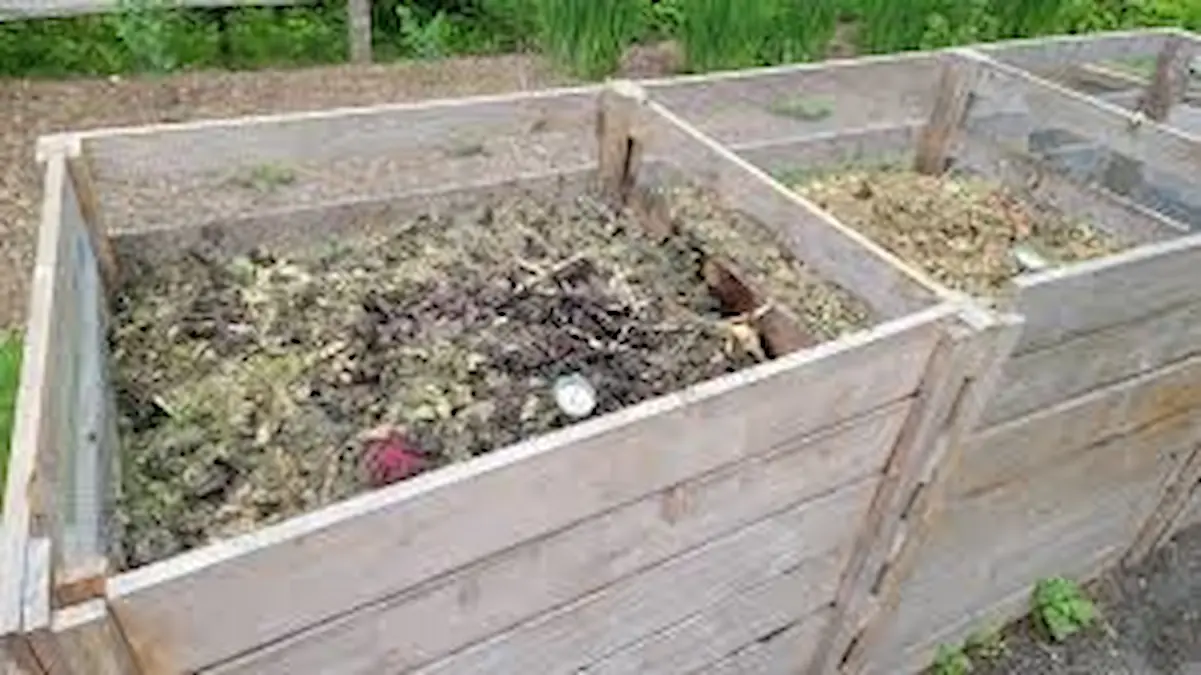
A winter compost pile isn’t dead — it’s dormant. The microbes that do the work are still in there, waiting for warmth, oxygen, and nitrogen. Here’s exactly how to wake them up, in order, before your beds need feeding.
⚡ Quick Answer
Your pile isn’t broken. Cold slows microbial activity to near zero — but once air temperatures stay consistently above 45°F, decomposition restarts on its own. You can accelerate that restart significantly by doing five things in order: inspect and repair, turn and aerate, check moisture, add nitrogen-rich greens, and apply finished compost to beds now while you wait for the next batch to mature.
According to Illinois Extension at the University of Illinois, the first thing to do when you open your compost bin after winter is simply to assess whether the pile is still active — look for steam rising from the pile on a cool morning, or finished dark crumbly compost at the base. If neither is visible, the pile cooled completely over winter. That is normal, not a failure. The microbial community that drives decomposition goes dormant below 40°F and restarts automatically once temperatures rise. Your job in early spring is to give it the conditions to restart faster than it would on its own.
Most gardeners either ignore the pile until it smells wrong, or they add material without addressing the structural problems winter creates: compaction, moisture imbalance, and a carbon-heavy pile depleted of the nitrogen that fuels bacterial activity. The five steps below fix all of those in sequence.
The 5 Steps, In Order
1 : Inspect the structure — before you add anything
Check the bin itself before touching the compost. Illinois Extension advises checking for cracked wood, broken plastic, or damage from frost expansion before proceeding. A leaking or collapsed bin won’t hold heat, and a pile that can’t retain warmth won’t reach the 130–160°F needed for fast decomposition. Remove any unintended additions — branches, plastic, anything that blew in over winter. Then assess what’s in the pile: if the bottom layer is dark, earthy, and crumbly, you have finished compost ready to harvest right now. Scoop it out and use it on beds before you start the reactivation process.
Check for finished compost at the base first — don’t turn it back into the pile
2 : Turn the pile — oxygen is the first limiting factor
Aerobic bacteria — the fast-decomposing microbes responsible for heat generation — need oxygen. Winter compaction eliminates air pockets and shifts the pile toward anaerobic conditions, which are slower and produce unpleasant odours. FarmstandApp’s seasonal composting guide recommends turning every 7–10 days in spring to accelerate reactivation, but the first turn — moving outer material to the centre and vice versa — is the most important. Use a pitchfork, not a spade. You want to fluff and aerate, not compress. One thorough turn now is worth more than several half-hearted ones later.
Turn so outer (cooler, drier) material moves to the warm centre where microbial activity concentrates
3: Check moisture — the pile should feel like a wrung-out sponge
Winter does two opposite things to compost moisture: in wet climates it saturates the pile; in cold dry climates it desiccates it. Either extreme stalls decomposition. Grab a handful of material and squeeze. If water streams out, the pile is too wet — add dry carbon material (shredded cardboard, straw, dry leaves) and turn again. If the handful crumbles to dust without holding together, it’s too dry — add water slowly while turning, targeting the “damp sponge” texture throughout. Melissa Will at Empress of Dirt describes the target precisely: “damp cloth, not wet sponge.” This moisture check should happen before you add any new material, or you’ll mask the problem rather than fix it.
If pile smells like ammonia: too wet and too nitrogen-heavy — add dry browns and turn
4 : Add nitrogen-rich greens — this is the activation fuel
Awinter pile accumulates carbon — dead leaves, straw, shredded paper — without the nitrogen inputs that were abundant in summer. Nitrogen is what heating bacteria use as fuel. Without it, decomposition crawls even when oxygen and moisture are correct. A 1:3 ratio of fresh nitrogen materials to existing pile material is the standard reactivation target. The best early-spring nitrogen sources: kitchen vegetable scraps, used coffee grounds (which also lower pH slightly and improve structure), freshly pulled weeds before they set seed, and the first grass clippings of the season. Chop or shred whatever you’re adding — smaller particle size accelerates decomposition by up to 70 percent compared to whole materials. Mix the greens thoroughly into the pile rather than layering on top.
Coffee grounds are one of the best early-spring activators — free, concentrated nitrogen, and widely available
5 : Apply finished compost to beds now — don’t wait for the new batch
Whatever finished compost you harvested in Step 1 should go directly onto your growing beds now, before planting begins. Skagit Soils recommends spreading a 2–3 inch layer on top of beds and letting worms work it in — don’t dig compost deeply into wet spring soil, as this destroys soil structure. Top-dressing lets it integrate slowly and naturally. The biological activity in finished compost also helps suppress early soil-borne pathogens before your seedlings go in. If you have more beds than finished compost, prioritise the beds where you plan to grow heavy feeders first: tomatoes, brassicas, squash, sweetcorn.
Top-dress, don’t dig in — let worms incorporate it. Digging wet spring soil destroys the structure you spent all year buildin
Your Spring Compost Timeline
📅 This Week
- Inspect and repair bin structure
- Harvest finished compost from base
- Do first full turn with pitchfork
- Check and correct moisture level
- Add first batch of kitchen greens + coffee grounds
- Top-dress beds with finished compost
📆 Next 30 Days
- Turn pile every 7–10 days
- Add first grass clippings — mix in, don’t layer
- Monitor internal temperature with a probe if available
- Add pulled weeds (before seed set) as nitrogen
- Keep moisture at “damp sponge” throughout
- Apply second round of compost to beds before transplanting
A well-managed spring compost pile that was in good shape going into winter can be producing usable material within 6–8 weeks of reactivation. One that was neglected will take longer — but it will get there. The biology is resilient. It just needs the right conditions to do what it does naturally: break down organic matter into the most useful soil amendment you can make for free, in your own garden, every year.