Eliot Coleman called it the most flexible low-tech tool in the garden. He’s right. A cold frame costs almost nothing to build, requires no electricity, and moves your first harvest weeks earlier every single year — if you site it correctly and avoid one common mistake.
Quick Answer
What it does: A cold frame raises the temperature inside by 10–15°F on a cloudy day, up to 30°F on a sunny one. That’s enough to protect cool-season crops through light frosts and warm soil 2–4 weeks earlier than open ground.
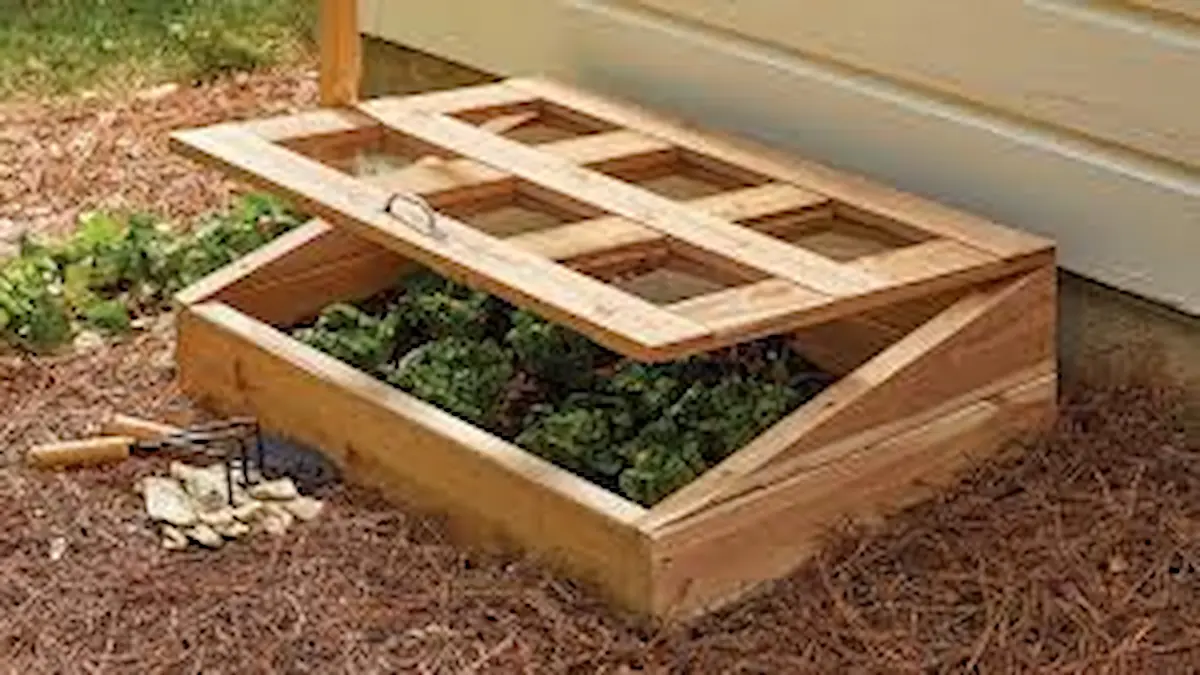
What you need: A bottomless box (wood, brick, straw bales) and a transparent lid (old window, polycarbonate sheet, or heavy clear plastic). Face it south. Site it against a wall if possible. Put a thermometer inside. Vent it on warm days or your plants will cook.
According to Iowa State University Extension, a cold frame extends the growing season by two to four weeks at each end — spring and autumn combined, that’s up to six to eight weeks of additional productive growing time from a structure that costs nothing if you have salvaged materials and an afternoon free. The same Extension guide notes that Eliot Coleman — who has spent fifty years perfecting four-season growing in Maine — described the cold frame as “the simplest, most flexible, and most successful low-tech tool for modifying the garden climate.” For smallholders who want earlier harvests without the cost and complexity of a greenhouse, nothing else comes close.
Why It Works — The Physics in One Sentence
A transparent lid lets shortwave solar radiation in, the soil and frame absorb it and re-emit it as longwave heat, and the enclosed air traps that heat. Coleman describes the effect precisely: on a cloudy early spring day, the inside of a cold frame runs 10–15°F warmer than outside. On a sunny spring day, it can run 30°F warmer — which is why ventilation is not optional. It is the thing that determines whether your plants thrive or die.
10–30°F warmer
The temperature differential inside a well-sited cold frame versus open air — 10–15°F on cloudy days, up to 30°F on sunny spring days. This is what allows lettuce and spinach to survive air temperatures well below freezing. Source: Eliot Coleman, Chelsea Green; Iowa State Extension.
How to Site and Build It
Siting matters more than materials. Iowa State Extension recommends a south-facing orientation over well-drained soil, positioned with the back (taller) wall to the north and the lid angled toward the sun. Placing the north side against a house wall, fence, or shed reduces heat loss significantly — the structure shelters from wind and reflects additional warmth onto the frame.
✓ Standard Cold Frame Dimensions — What Works
- Back wall: 12–18 inches high.Front wall: 8 inches. The slope faces south and maximises solar gain throughout the day.
- Width: no more than 4 feet— you need to reach the centre without stepping inside. Deeper than 4 feet means you can’t work it without kneeling on plants.
- Length: as long as your lid allows.An old window frame determines the size — build the box to fit the lid, not the other way around.
- Materials for the box:untreated lumber (avoid pressure-treated near food crops), old bricks, concrete blocks, or straw bales — all work. Straw bales provide excellent insulation and can be composted afterwards.
- Lid:salvaged glass window (free from salvage yards, Habitat for Humanity ReStores), twin-wall polycarbonate sheet (light and unbreakable), or heavy clear plastic over a simple frame. Glass retains heat better; polycarbonate is safer around children.
What to Grow — and When to Start
GrowVeg recommends placing the cold frame in position at least two weeks before you intend to sow, to allow the enclosed soil to warm to at least 45°F. Use a soil thermometer if you have one. Without that pre-warming step, seeds go into cold soil and rot instead of germinating.
| Crop | Sow in Cold Frame | Ready to Harvest | Notes |
|---|---|---|---|
| Lettuce | 2–4 weeks before last frost | 5–6 weeks | Best cold frame crop. Sow successionally every 2 weeks. |
| Spinach | 3–5 weeks before last frost | 6 weeks | Germinates at 40°F. Very cold-hardy once established. |
| Radishes | 4–6 weeks before last frost | 3–4 weeks | Fastest return. Good as catch crop between slower crops. |
| Peas | 4–6 weeks before last frost | 10–12 weeks | Remove lid once plants touch top. Cold frame used for germination only. |
| Hardening off seedlings | 1–2 weeks before transplanting | Ongoing | Move indoor-started tomatoes, peppers, and brassicas here before final planting out. |
| Tomatoes / peppers | Not recommended to grow out in cold frame | — | Use for hardening off only — they need more warmth than a cold frame provides in spring. |
What Not to Do
✗ The Mistakes That Kill Cold Frame Plants
- Don’t leave the lid closed on a sunny March day.This is the number one cold frame error. Temperatures inside can reach 90°F+ within an hour of sunrise on a clear day. Prop the lid open by 6 inches once outdoor temps go above 40°F.
- Don’t skip the thermometer.Bob Vila’s cold frame guiderecommends one thermometer inside, one outside — it takes one minute to check and prevents the most common losses.
- Don’t site it in shade.Even partial afternoon shade cuts the thermal benefit dramatically. South-facing, full sun is non-negotiable for spring use.
- Don’t use old painted windows without checking for lead paint— multiple layers of old gloss paint can flake into your soil. Sand back to bare wood or source modern salvage instead.
- Don’t overwater— enclosed soil dries more slowly. Check moisture before watering; soggy cold frame soil causes damping off faster than any other issue.
Your Cold Frame Action Plan
📅 This Week
- Source or build your box — salvaged window, straw bales, or scrap timber
- Choose your site: south-facing, full sun, near a wall
- Position the frame and close the lid to begin warming soil
- Place a thermometer inside to monitor temperature
- Check soil temperature daily — sow when it reaches 45°F
📆 Next 30 Days
- Sow lettuce, spinach, and radishes directly inside
- Move indoor brassica seedlings in for hardening off
- Vent daily on sunny days — open lid when outdoor temp hits 40°F
- Close lid every evening before sunset to trap daytime heat
- Begin succession sowings every 2 weeks for continuous harvest
A cold frame built this week from salvaged materials will give you lettuce by late April in Zone 5, mid-April in Zone 6, and earlier still further south. That’s a genuine 4–6 week lead on your unprotected beds — from a structure that costs almost nothing and stores flat against a shed wall when not in use. Eliot Coleman’s monument deserves to be in every smallholding garden.