
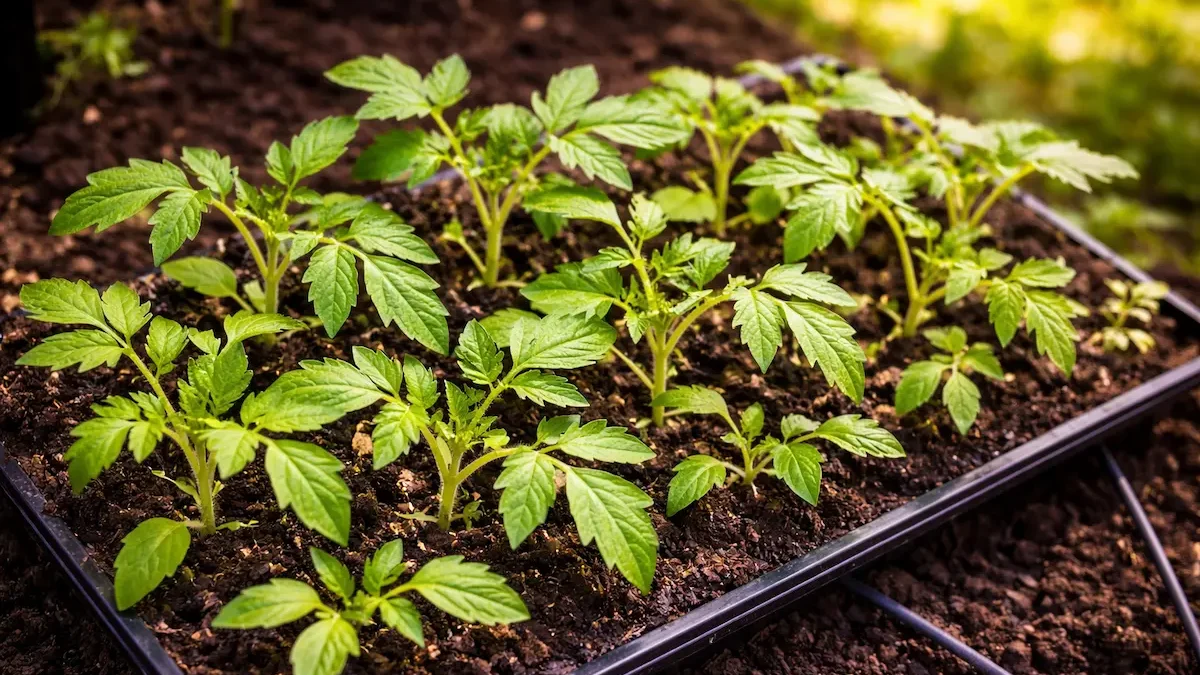
Zone 6 last frost is 6 weeks out. That sounds like plenty of time — until you count backward. Brassica transplants need 10–14 days of hardening off before they go in the ground, and the Zone 6 window to start that process opens right now, this week. According to University of Maryland Extension, hardening is the process of exposing transplants gradually to outdoor conditions — and plants moved directly from indoor conditions to a spring garden without it will wilt, scorch, or stall for weeks. The seedlings on your windowsill right now are not ready for outside. Here is how to change that before transplant day.
The short answer:
- Zone 6: Start hardening off brassicas and onion starts this week — last frost is 6 weeks out
- Zone 5: Brassicas can begin hardening off by April 1–5, tomatoes and peppers by late April
- Zone 7: Cool-season transplants should already be hardening off — warm-season starts begin now
- Never move seedlings outside when air temperature is below 45°F or on windy days
What Hardening Off Actually Does to a Plant
It’s not just acclimatization — it’s a structural change. According to Illinois Extension, hardening off thickens the cuticle and waxy layers, stimulates root development, increases carbohydrate reserves, reduces freeze-prone water in cells, and develops lignin in cell walls. A hardened seedling is physically different from an unhardened one.
Penn State Extension is specific about the consequences of skipping it: wilting, brown leaf margins, slowed growth, and sometimes plant death. A tomato moved directly outside will look fine for 48 hours, then spend two weeks recovering while a properly hardened plant is actively growing.
The 10-Day Schedule by Crop Type
Not all crops need the same treatment. Cool-season crops tolerate outdoor conditions earlier and more aggressively than warm-season crops.
Cool-season crops (broccoli, cabbage, cauliflower, kale, lettuce, onions):
- Can begin hardening when outdoor temperatures are consistently above 40°F
- Days 1–3: 2–3 hours in full shade, sheltered from wind
- Days 4–6: 4–5 hours, introduce morning sun
- Days 7–9: Full day outside, bring in if overnight temperatures drop below 35°F
- Day 10: Ready to transplant with row cover if late frost is still possible
Warm-season crops (tomatoes, peppers, eggplant, cucumbers):
- Do not start hardening until outdoor temperatures are consistently above 50°F
- Days 1–2: 2 hours in full shade only — no direct sun
- Days 3–5: 3–4 hours, brief morning sun
- Days 6–8: 6 hours including direct sun, bring in before evening
- Days 9–10: Full day outside; leave overnight only if temperatures will stay above 50°F
Nebraska Extension recommends starting the process on a mild or cloudy day — the goal is to introduce outdoor conditions gradually, not to stress plants on the first outing.
Zone-by-Zone Starting Dates for This Week
| Zone | Last Frost | Brassicas: Start Hardening | Tomatoes & Peppers |
|---|---|---|---|
| Zone 7 | Mar 30–Apr 15 | Now — finishing up | This week if 50°F+ overnight |
| Zone 6 | Apr 15–30 | March 16–20 | Early April |
| Zone 5 | May 7–15 | April 1–5 | Late April |
Zone 6 brassicas started this week will be ready for transplant by April 1–5 — ahead of last frost with row cover on standby. Zone 7 warm-season starts can begin now if overnight temperatures are holding above 50°F consistently.
Two Mistakes That Undo the Process
Hardening off too aggressively. UMD Extension flags this specifically: cauliflower exposed to cold too early produces thumb-sized heads and stops developing. Cucumbers and melons stall if hardened too severely. The goal is gradual toughening, not stress.
Skipping wind protection in the first three days. Wind causes more hardening-off damage than sun. Illinois Extension notes stems can snap from strong wind, and even mild wind throws soil particles against young leaves. Start in a sheltered spot before moving trays to open ground.
What Not to Do
❌ Moving seedlings outside on the first warm day without checking the forecast — a 62°F afternoon that drops to 38°F overnight will set back an unhardened tomato seedling significantly. Check overnight lows, not just daytime highs, before leaving trays outside.
❌ Fertilizing during hardening off — rapid new growth from a fertilizer application makes plant tissue more vulnerable to sun and wind stress. Hold feeding until after transplanting and establishment.
❌ Hardening brassicas and tomatoes on the same schedule — brassicas tolerate 40°F and can handle more aggressive early exposure. Tomatoes and peppers need warmer conditions and a more gradual introduction. Running both on the same 7-day schedule either under-hardens the tomatoes or over-stresses the brassicas.
This Week and Next 30 Days
This week — March 16–22:
- Zone 7: Move warm-season starts into hardening rotation if outdoor temperatures are above 50°F
- Zone 6: Begin hardening brassicas and onion starts this week — 2–3 hours in shade, sheltered from wind
- Zone 5: Confirm brassica seedlings are at the right size for April hardening — 4–6 true leaves, stocky stems
- All zones: Check overnight forecast before leaving any trays outside
By April 15:
- Zone 6: Brassicas and onions should be fully hardened and in the ground, with row cover on standby
- Zone 5: Begin brassica hardening schedule April 1–5
- Zone 6: Begin tomato and pepper hardening schedule April 1–7
- All zones: Start warm-season hardening only after 5 consecutive days above 50°F overnight
Also read:
- Hardening Off Seedlings: The 7-Day Method That Prevents Transplant Shock
- Seed Starting Indoors: How to Grow Strong Seedlings Before Spring
- Direct Sowing Peas in March: Zone-by-Zone Timing Before They Bolt
- Container Gardening: Grow Fresh Vegetables on a Balcony or Patio
- Purple Tomato Seedlings in March: 3 Causes and How to Fix Each One