
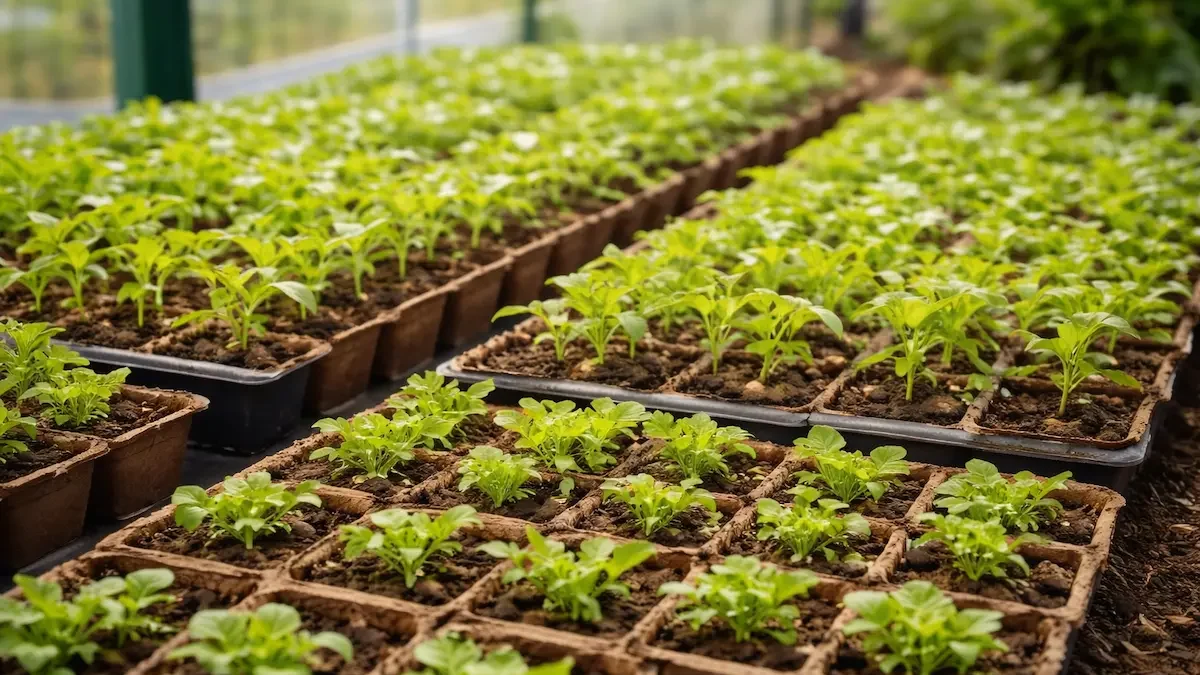
The first harvests arrive fast and briefly. Radishes bolt. Spinach runs to seed. Spring onions go hollow if left too long. Getting the most from these early crops means knowing what to do with them the day you pick them — before the flavour window closes.
Quick Answer
Radishes: eat raw within days of harvest, or quick-pickle in 24 hours. The greens are edible — cook like spinach or blend into pesto.
Spinach: best eaten or blanched and frozen on harvest day. Wilts rapidly. Use in salads, stir through pasta, blend into soups, or blanch and freeze immediately for year-round use.
Spring onions: use the whole plant. Whites raw or lightly charred; greens raw in salads, or dried for later. Don’t refrigerate for more than a week — wrap in damp paper and use promptly.
The spring garden produces its first harvests at exactly the moment the kitchen has been running on stored winter produce for months. Radishes, salad leaves, spinach, spring onions, and early peas each arrive with a short, specific peak window — and each has a distinct best use that takes advantage of that window. A radish is not a roasting vegetable for most of its life, but with ten minutes of butter and heat it becomes one. A glut of spinach is not a problem if you have a pot of boiling water ready. Knowing what each crop does best in the kitchen is more useful than a long list of recipes.
Crop by Crop — First Harvests and What to Do With Them
🌱 Radishes Ready: 25–30 days
Best Uses
- Sliced raw into salads or with butter and sea salt
- Quick-pickled (ready in 24 hours, lasts 2–3 weeks)
- Roasted whole at 200°C — flavour mellows completely
- Sliced thin into tacos, grain bowls, open sandwiches
Don’t Forget
- Radish greens: cook like spinach or blend into pesto— fully edible, often discarded
- Harvest before they bolt — pithy texture once hollow
- Roasting removes the peppery bite entirely for those who prefer mild
🥬 Spinach & Salad Leaves Ready: 35–45 days (cut-and-come-again)
Best Uses
- Baby leaves raw in salads — dress just before eating
- Wilted in a pan with garlic and olive oil (30 seconds)
- Stirred into pasta, rice, or eggs at the last minute
- Blended into spring soups or green smoothies
Don’t Forget
- Blanch and freeze surplus immediately— wilts within 24 hours even refrigerated
- Cut outer leaves first — leaves plant to keep producing
- Dress dressed salad just before eating — dressed leaves wilt in minutes
🌿 Spring Onions Ready: 60–70 days (or thin seedlings at 30)
Best Uses
- Whole plant raw in salads, slaws, or on soups
- White ends charred on a griddle — sweeter, softer
- Green tops dried and stored for winter seasoning
- Pickled whole in rice wine vinegar — ready overnight
Don’t Forget
- Use thinnings straight away — perfect size for salads
- Green tops = chives substitute; use anywhere you’d use chives
- Wrap in damp paper towel in fridge— use within 5–7 days
🫛 Early Peas & Pea Shoots Shoots: 2–3 weeks; pods: 12–16 weeks
Best Uses
- Pea shoots raw in salads — sweet, tender, no prep needed
- Podded peas: eat raw straight from the garden
- Stirred into risotto, pasta, or eggs in the last 2 minutes
- Blanch and freeze immediately on harvest day
Don’t Forget
- Sugar converts to starch within hours— eat or freeze same day
- Pea shoot tendrils are edible and sweet — don’t discard them
- Overgrown pods: shell and use like broad beans
The One Rule for Spring Cooking
Spring vegetables are at their best with the least intervention. A handful of peas eaten raw over the sink, still warm from the sun, is the correct use of a crop at its flavour peak — not a failure to cook. Every minute between harvest and eating that involves heat, water, or a refrigerator moves the crop away from its best. Raw first, then the simplest possible cooking, then preservation. A pan of butter and garlic and thirty seconds is enough for spinach. Boiling salted water and two minutes is enough for fresh peas. The flavour does not need help. It needs to arrive at the table as quickly as possible after leaving the garden.
✗ Mistakes That Waste the First Harvest
- Leaving radishes in the ground after they’re ready— they go pithy and hollow within days of reaching full size. Harvest, eat, or quick-pickle on the day they’re ready
- Refrigerating fresh peas overnight before cooking—sugar converts to starch continuously after harvest. An overnight wait in the fridge measurably reduces sweetness. Cook or freeze same day
- Washing salad leaves before storing—moisture accelerates rot, per UC Davis Health. Store dry, wash only immediately before eating. A damp salad bag in the fridge turns slimy within 24 hours
- Overcooking spring greens— spinach needs 30 seconds. Peas need 2 minutes. Spring onions need 3–4 minutes on a griddle. Extended heat removes both colour and flavour from every spring vegetable
📅 At Harvest
- Peas: eat raw, or blanch and freeze same day
- Spinach: salad or blanch/freeze within hours
- Radishes: eat raw or start a quick pickle
- Spring onion thinnings: straight into tonight’s salad
📆 Managing Gluts
- Radish surplus: quick pickle (24 hrs) or lacto-ferment
- Spinach surplus: blanch and freeze in portions
- Spring onion greens: dry and store for winter use
- Keep harvesting — stopping triggers bolting