
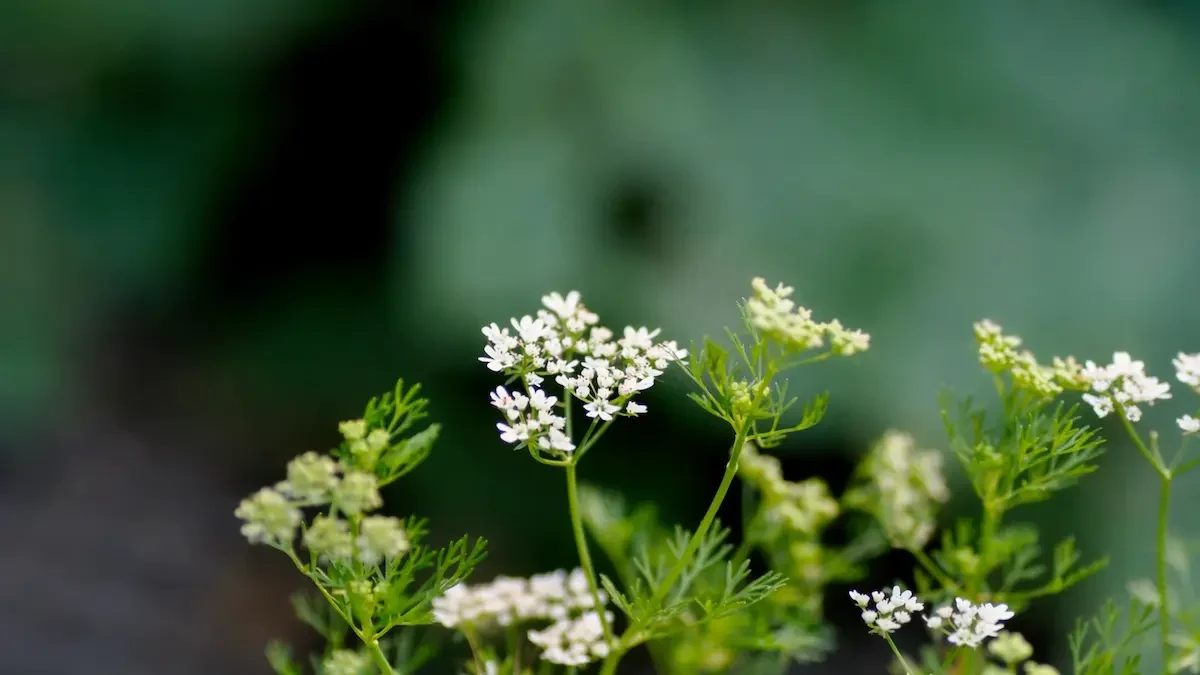
Bolting is not just a heat problem. Most spring crops bolt in response to a specific combination: cool early growth followed by lengthening days. Understanding which trigger applies to which crop is what makes the difference between effective prevention and frustrated guessing.
Quick Answer
What bolting is: the plant switching from vegetative growth (leaves, roots) to reproductive growth (flowers, seeds) before the crop is ready to harvest. Once flowering begins, leaves become bitter, roots become woody, and the harvest is effectively over.
The two primary triggers: temperature and day length. Heat alone triggers bolting in lettuce, spinach, and many herbs. Day length triggers it in spinach and some radish varieties regardless of temperature — spinach bolts when days exceed 14 hours of light. Most brassicas are triggered by cool early temperatures followed by warm temperatures later.
What slows it: slow-bolt varieties, succession planting, shade, consistent moisture, and for photoperiod-sensitive crops — earlier sowing in spring or autumn instead.
According to Michigan State University Extension, flowering in most winter annual and biennial plants is influenced by complex interactions between temperature and day length — and cool temperatures during early growth followed by long days are often the most important driver of bolting in vegetables. This is what most bolting advice misses: the trigger is not just heat, but the combination of cool early growth and lengthening May days. A plant that germinates in cold spring soil and then experiences increasing day length is in exactly the conditions most likely to bolt — even if temperatures remain moderate.
Two Triggers — Photoperiod and Temperature
The RHS identifies two distinct mechanisms. The first is photoperiod sensitivity: spinach and some radish cultivars are long-day plants that initiate flowering when day length exceeds approximately 14 hours — in the UK and northern US, this occurs in late May to June. Sowing spinach in autumn, when days are shortening, avoids this trigger entirely. The second is vernalization followed by heat: brassicas require cool early temperatures that precondition the plant to flower. When warmth then arrives, the vernalized plant races to produce a head and bolts. Buttoning in cauliflower — a tiny premature head — is a vernalization problem triggered by transplanting young seedlings into cold soil before it has warmed sufficiently.
Which Crops Bolt From Which Trigger
| Crop | Primary Trigger | Threshold | Most Effective Prevention |
|---|---|---|---|
| Spinach | Day length (photoperiod) | Days exceed 14 hours — late May/June in most of UK and northern US | Sow in late summer/autumn; choose bolt-resistant varieties for spring |
| Lettuce | Heat + day length | Consistently above 75°F (24°C); days lengthening | Shade cloth; succession sow every 2–3 weeks; harvest early and regularly |
| Radishes | Day length + heat | Warm days and lengthening light — bolts rapidly after 30–40 days | Sow early; harvest immediately when ready; do not delay |
| Coriander (cilantro) | Heat + root stress | Above 75°F or root disturbance; any hot dry spell | Direct sow, never transplant; water consistently; grow in partial shade |
| Broccoli, cauliflower | Vernalization + heat | Cool nights below 50°F during early growth, then heat | Do not transplant seedlings before soil is consistently above 50°F; keep seedlings above 70°F until transplant |
| Beetroot | Cold stress | Exposure to temperatures below 50°F during early growth | Do not sow outdoors before soil reaches 50°F; use bolt-resistant varieties |
What Actually Slows Bolting
What to Do
- Choose slow-bolt or bolt-resistant varieties— plant breeders have selected varieties for delayed flowering. Look for “slow bolt” or “heat tolerant” on the packet — the single most effective intervention for lettuce, spinach, and coriander
- Succession sow every 2–3 weeks—K-State Extension (Anthony Reardon, April 2025)is explicit: succession planting means you are always losing only a portion of a crop to bolting, never the entire planting at once
- Provide afternoon shade— shade cloth or tall neighbouring plants reduce temperature during the hottest part of the day. Even a few degrees of cooling can extend the harvest window by 1–2 weeks
- Water consistently and deeply— drought stress accelerates bolting in cauliflower, rocket, and spinach. Moist soil stays cooler and removes a secondary trigger
- Harvest regularly and early— cutting frequently diverts plant energy away from reproduction. Cut-and-come-again harvesting of lettuce and spinach can extend the usable harvest by several weeks
What Does Not Help
- Removing the flower stalk after bolting begins— once the plant has committed to reproductive growth, removing the visible stalk does not return it to vegetative growth. It will produce another stalk rapidly
- Applying fertiliser to a bolting plant— nitrogen feed encourages growth but will not reverse the hormonal switch from vegetative to reproductive. It may produce more leaf around the bolt stalk but will not restore flavour or texture
- Waiting for the plant to recover after a heat spike— spinach and lettuce that have been exposed to 14+ hours of daylight will not revert. The photoperiod trigger is irreversible once acted upon
Right Now
- Check seed packets for “slow bolt” or “bolt resistant” on spring varieties
- Sow the first of several succession batches of lettuce and spinach
- Avoid transplanting brassica seedlings until soil is above 50°F
- Keep coriander direct-sown — never transplant it
As Days Lengthen
- Add shade cloth over lettuce and spinach as temperatures rise
- Sow new succession batches every 2–3 weeks
- Harvest lettuce and spinach early and frequently
- Plan an autumn spinach sowing — far less bolting than spring