
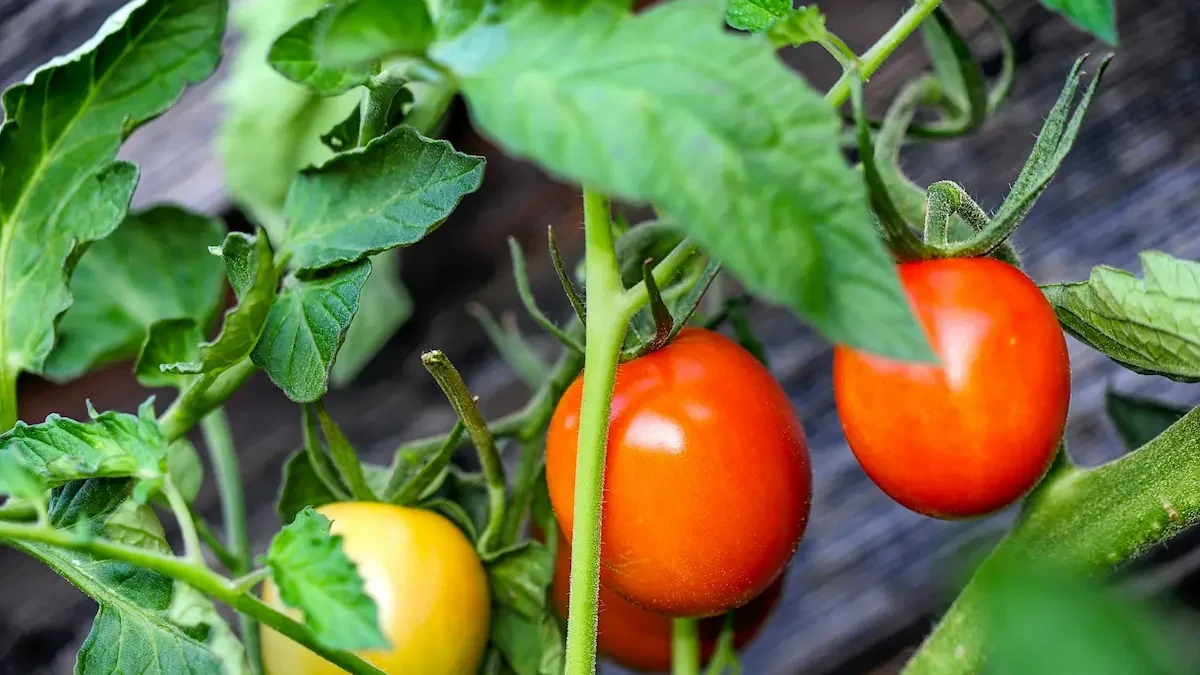
Peppers need 8–10 weeks indoors before transplant. Tomatoes need 6–8. Starting both in March puts Zones 5–7 on schedule — but the exact week depends on the zone, and getting it wrong costs 2–4 weeks of harvest.
Across USDA Zones 5 through 7, average last frost dates fall between late April and late May. That makes March the critical indoor seed starting window for both tomatoes and peppers — the two crops most gardeners grow and the two most sensitive to timing errors. According to the University of Minnesota Extension, pepper seeds should be started approximately eight weeks before the outdoor planting date, which is earlier than the typical tomato start. Michigan State University Extension recommends starting tomatoes five to seven weeks before transplanting. Miss the window by even two weeks, and either the seedlings outgrow their containers before outdoor conditions allow transplanting, or they go into the ground too small to produce a full harvest before first fall frost.
The Short Answer
- Zones 5–5b (last frost mid-May): Start peppers by March 1–10. Start tomatoes March 15–25.
- Zone 6 (last frost late April to early May): Start peppers by March 1–7. Start tomatoes March 10–20.
- Zones 7–7b (last frost mid-April): Peppers should already be started. Start tomatoes by March 1–10.
- Peppers always go first. They germinate slower (14–21 days at 70°F) and grow slower than tomatoes.
Why Peppers and Tomatoes Need Different Start Dates
Peppers and tomatoes are both warm-season Solanaceae crops, but their growth rates differ significantly. Pepper seeds take two to three weeks to germinate at 70°F, compared to five to ten days for most tomato varieties. After germination, pepper seedlings grow slower and need more accumulated heat to reach transplant size.
The University of Minnesota Extension notes that pepper plants may begin flowering while still indoors, and those early flower clusters should be pinched off until just before the plants move outside. Tomato seedlings, by contrast, grow fast enough that starting too early creates leggy, root-bound plants that perform worse after transplanting than younger, more compact ones.
The practical result: peppers need 8–10 weeks of indoor growing time. Tomatoes need 6–8. Starting them on the same day — a common approach — puts one crop off schedule.
What to Do Now: Zone-by-Zone Indoor Start Schedule
Zones 5–5b (Last Frost: May 10–25)
Start pepper seeds between March 1 and March 10. Sow at 1/4-inch depth in sterile seed-starting mix. Use a heat mat set to 80–85°F to speed germination from 21 days down to 10–14 days.
Start tomato seeds between March 15 and March 25. Sow at 1/4-inch depth. Keep soil temperature at 75–80°F until germination. After seedlings emerge, drop ambient temperature to 60–65°F to prevent leggy growth.
Zone 6 (Last Frost: April 25–May 5)
Peppers: start by the first week of March. Tomatoes: start by the second or third week of March. The same temperature and depth guidelines apply.
Zones 7–7b (Last Frost: April 10–20)
Pepper seeds should already be in trays by late February. If not started yet, sow immediately — there is no margin left. Start tomatoes during the first 10 days of March.
Gardeners in all zones should plan to harden off seedlings for 7–10 days before transplanting outdoors. That means counting backward from the transplant date, not from the last frost date.
Germination Conditions That Affect Timing
Soil temperature is the single biggest variable in germination speed. Michigan State University Extension data shows pepper seeds germinate in 14–21 days at 70°F but in as few as 8–10 days at 80–85°F. Tomato seeds behave similarly: 5–7 days at 80°F, 10+ days at 70°F.
Bottom heat is the most reliable tool for hitting these temperatures. Seedling heat mats placed under trays raise soil temperature 10–15°F above room temperature. Without bottom heat in a 65°F room, germination stretches out and becomes uneven — some seeds sprout while others sit dormant for weeks.
After germination, remove heat mats and provide 14–16 hours of direct artificial light per day. Position LED or fluorescent fixtures 2–4 inches above the seedling canopy. Raise lights as plants grow. Insufficient light at this stage produces thin, elongated stems that never fully recover, even after transplanting into full sun.
What NOT to Do
❌ Starting tomatoes and peppers on the same day — Peppers need 2–3 extra weeks of indoor time. Starting both on March 15 means peppers will be undersized at transplant, or tomatoes will be overgrown and root-bound.
❌ Skipping bottom heat — Room temperature germination adds 7–14 days to the schedule. That delay compounds: later germination means later transplanting, which means fewer weeks of harvest before first fall frost.
❌ Starting too early to “get ahead” — A 12-week-old pepper plant crammed into a 4-inch pot performs worse than an 8-week-old plant in the same pot. Root-bound seedlings establish slower, produce later, and yield less. More time indoors does not equal a better plant.
❌ Using garden soil or reused mix for seed starting — Damping off, a fungal disease that kills seedlings at the soil line, thrives in non-sterile media. Michigan State University Extension recommends fresh, sterile seed-starting mix and clean containers for every planting cycle. A 10% bleach solution for 30 minutes sterilizes reused trays.
Transplant-Ready Signs
Before moving seedlings outdoors, confirm these benchmarks. Tomato transplants should have 4–6 true leaves, a stem diameter of at least 1/4 inch, and visible flower buds but no open flowers. Pepper transplants should have 6–8 true leaves and a compact, branching habit. Pinch any flower clusters on peppers that form before transplant week.
Both crops require outdoor nighttime temperatures consistently above 50°F before transplanting. Soil temperature at a 4-inch depth should read 60°F or higher. A soil temperature guide helps confirm the right transplant window by crop.
This Week (March 10–16)
- Check USDA zone and calculate last frost date for your location
- Sow pepper seeds if in Zones 5–6 and not yet started
- Set up heat mats and grow lights if not already in place
- Purchase sterile seed-starting mix and clean trays
By March 25
- Sow tomato seeds for Zones 5–6
- Confirm pepper seeds have germinated; adjust heat mat if germination is slow
- Position grow lights 2–4 inches above emerged seedlings
- Plan raised bed preparation for transplant day