
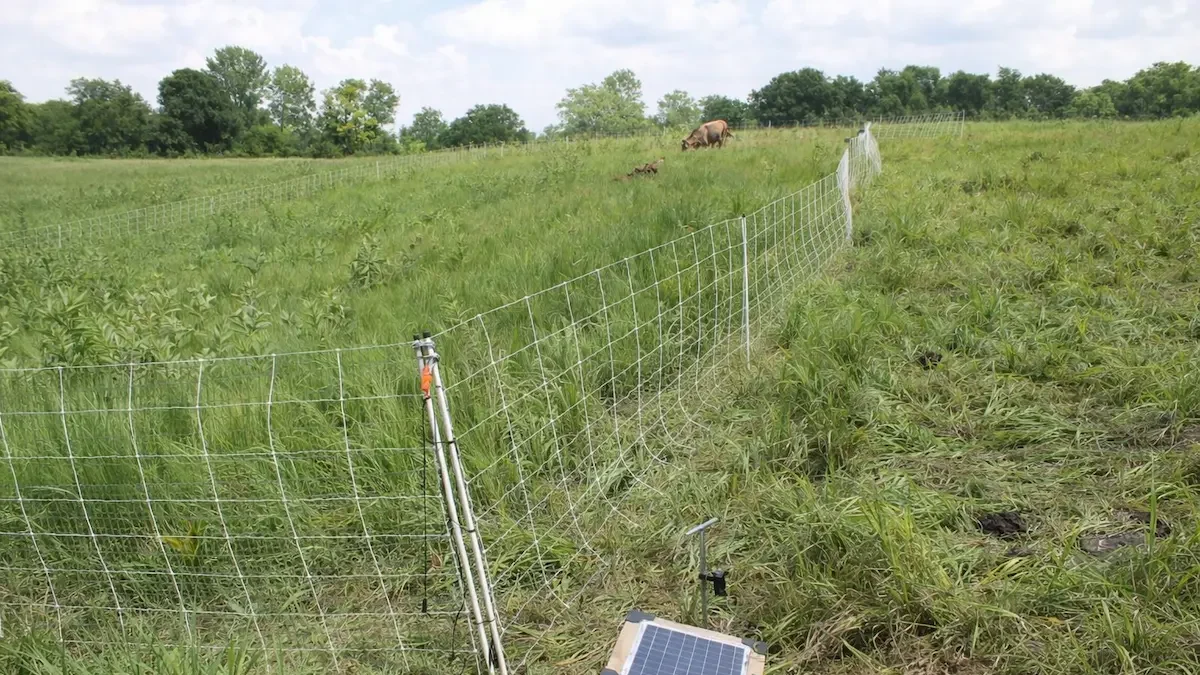
Rotational grazing is one of the most effective ways to increase productivity on small acreage without increasing costs. When managed correctly, it improves pasture health, reduces feed expenses, and supports higher stocking density. The key is not the size of the land, but how efficiently it is used.
Many smallholders assume they need more land to support livestock. In reality, better grazing management often produces greater gains than expanding acreage.
Quick Answer
Divide land into multiple paddocks:
Instead of continuous grazing, split your land into smaller sections and rotate animals frequently. According to USDA NRCS grazing management, rotational systems improve forage utilisation and pasture recovery.
Control grazing time, not just space:
Animals should graze a paddock for a short period (often 1–3 days), then move to allow regrowth.
Allow proper rest periods:
Grass typically needs 20–40 days to recover, depending on climate and season. The FAO pasture management guidelines emphasise rest as critical for long-term productivity.
Why Rotational Grazing Works
Continuous grazing weakens pasture. Animals repeatedly eat the same plants before they recover, reducing root strength and overall yield.
Rotational grazing changes this dynamic:
- Plants are grazed once, then rested
- Root systems grow deeper and stronger
- Pasture becomes more drought-resistant
- Total forage production increases
Over time, this allows more animals to be supported on the same land.
Step 1: Assess Your Land
Before dividing anything, understand what you’re working with.
Key factors:
- Total usable acreage
- Type and quality of existing pasture
- Water access points
- Slope and drainage
- Climate and growing season
Walk the land and identify natural divisions or constraints. Even small variations in soil or moisture can affect how paddocks perform.
Step 2: Divide into Paddocks
On limited acreage, more paddocks are better than fewer.
As a starting point:
- Aim for at least 6–10 paddocks
- More advanced systems may use 12–20+ smaller sections
Temporary electric fencing is often the most flexible and cost-effective solution.
Smaller paddocks allow:
- More precise grazing control
- Better pasture recovery
- Higher overall efficiency
Step 3: Plan Grazing Rotation
The goal is to balance grazing time with recovery time.
A simple framework:
- Graze each paddock for 1–3 days
- Rest paddocks for 20–40 days
This means your number of paddocks should match your desired rest period. For example, if you want 30 days of rest and move animals daily, you need around 30 paddocks.
On very small acreage, longer grazing periods (2–3 days) with fewer paddocks can still work, but recovery time must remain sufficient.
Step 4: Match Stocking Rate to Land
Overstocking is one of the fastest ways to damage pasture.
Instead of asking “How many animals do I want?”, ask:
“How many animals can my land support sustainably?”
Start conservatively:
- Observe pasture recovery
- Adjust animal numbers gradually
- Monitor signs of overgrazing (bare soil, slow regrowth)
It is better to slightly understock and improve pasture than to overstock and degrade it.
Step 5: Ensure Reliable Water Access
Water access determines how practical your system will be.
Options include:
- Central water point accessible from multiple paddocks
- Portable troughs moved with animals
- Gravity-fed or pumped systems
Poor water access leads to uneven grazing and wasted pasture, as animals cluster around limited sources.
Step 6: Observe and Adjust
No grazing plan is perfect from the start.
You need to continuously observe:
- How quickly grass regrows
- Which paddocks perform best
- Animal condition and behaviour
- Seasonal changes in growth
Adjust rotation speed, paddock size, and stocking rate based on real conditions — not fixed schedules.
Common Mistakes
Making paddocks too large
Large paddocks reduce control and allow selective grazing, which weakens pasture.
Leaving animals too long in one area
Even a few extra days can damage regrowth and reduce future yield.
Ignoring rest periods
Without sufficient recovery, rotational grazing becomes continuous grazing in disguise.
Overstocking early
Pushing the system too hard too soon leads to pasture degradation.
Poor fencing setup
Unreliable fencing makes rotation difficult and inconsistent.
How to Start on Limited Acreage
You don’t need a perfect system from day one.
Start with:
- 4–6 paddocks
- Simple electric fencing
- A basic rotation schedule
As you gain experience, increase paddock numbers and refine timing.
Even a simple rotational system is significantly better than continuous grazing.
Each Grazing Cycle Checklist
- Move animals before pasture is overgrazed
- Check regrowth in previously grazed paddocks
- Monitor water and fencing
- Adjust rotation speed if needed
Long-Term Strategy
- Increase paddock numbers over time
- Improve pasture species diversity
- Build soil health through managed grazing
- Reduce reliance on purchased feed
Well-managed rotational grazing turns pasture into a self-renewing resource. Over time, the land becomes more productive, more resilient, and capable of supporting more animals with fewer inputs.
On limited acreage, this is not just an advantage — it is essential. The efficiency gained through proper grazing management often makes the difference between a system that struggles and one that thrives.