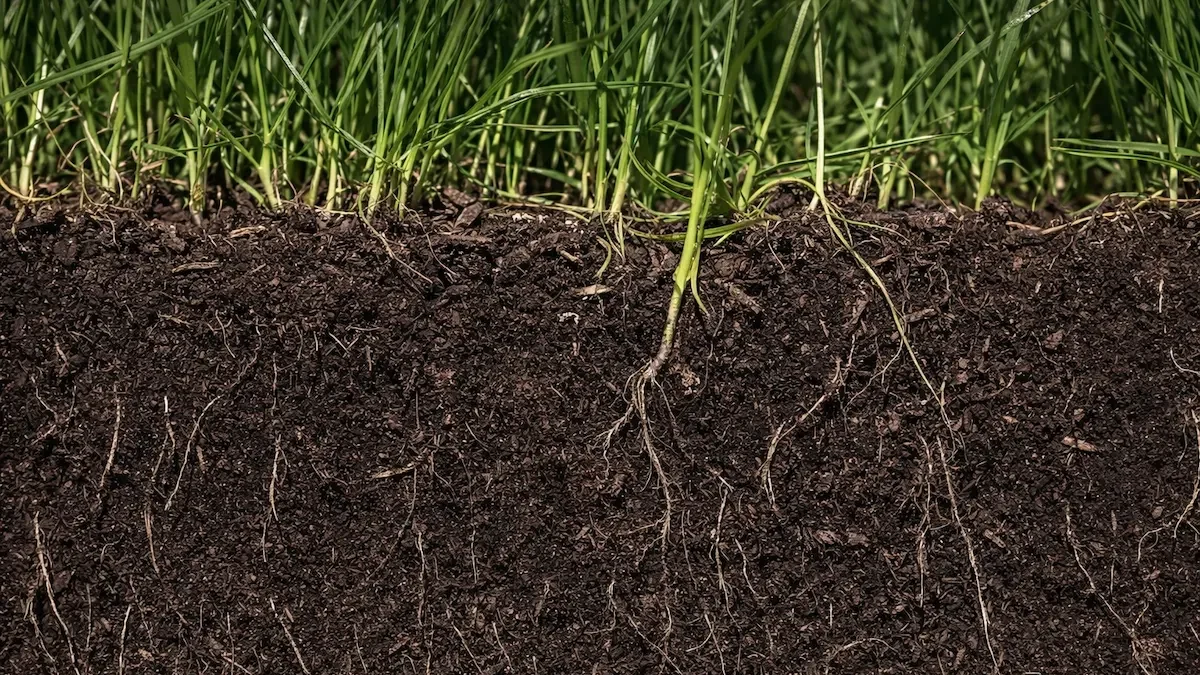
Most beginners think soil is something you plant into. In reality, soil is a living system that needs recovery time just like crops or livestock. When land is used continuously without rest, fertility declines, structure breaks down, and yields drop — even if you add fertilisers.
A rested soil is not unused land. It is land that is actively rebuilding itself.
The Core Problem: Continuous Production
Smallholders often try to maximise output by keeping every bed in constant production. On the surface, this seems efficient. In practice, it creates long-term decline.
Without rest periods:
- Nutrients are steadily depleted
- Soil structure becomes compacted
- Microbial life weakens
- Pest and disease pressure increases
According to FAO soil health resources, maintaining active soil biology is essential for sustainable productivity — and continuous cropping without recovery disrupts that balance.
What “Resting Soil” Actually Means
Resting soil does not mean leaving it bare. Bare soil is exposed, vulnerable, and quickly degraded.
Instead, rest means:
- Keeping living roots in the soil
- Protecting the surface from erosion
- Feeding soil organisms
- Rebuilding organic matter
This is where cover crops come in. They act as a bridge between productive crops, maintaining and improving soil during off-periods.
What Cover Crops Actually Do
Cover crops are not grown for harvest — they are grown to improve the soil.
Their benefits include:
- Adding organic matter
- Fixing nitrogen (in the case of legumes)
- Improving soil structure and aeration
- Suppressing weeds naturally
- Increasing water retention
Research from SARE cover cropping guide shows that farms using cover crops consistently improve soil fertility while reducing the need for external inputs.
Thinking in Cycles, Not Seasons
One structural shift that changes everything is moving from seasonal thinking to cycle-based planning.
Instead of asking:
“What do I plant this season?”
Ask:
“What does this soil need next?”
Every crop removes something. A good system replaces it deliberately.
Example cycle:
- Heavy feeder crop (e.g. cabbage, corn)
- Followed by nitrogen-fixing cover crop (e.g. clover, vetch)
- Then a lighter feeder (e.g. carrots, onions)
This creates balance instead of depletion.
Choosing the Right Cover Crop
Not all cover crops serve the same purpose. The choice depends on what your soil needs.
For nitrogen:
- Clover
- Vetch
- Field peas
For biomass and organic matter:
- Rye
- Oats
- Buckwheat
For soil structure and compaction:
- Daikon radish
- Mustard
According to University of California cover crop research, mixing species often produces better results than using a single crop, as different plants perform different functions.
When to Plant Cover Crops
Timing is critical. The goal is to ensure soil is never left exposed.
Typical windows:
- After harvest (late summer to autumn)
- Early spring before main crops
- Between short-season crops
Even a short 4–6 week cover crop can significantly improve soil condition compared to leaving beds empty.
How to Integrate Cover Crops Into a Small System
The biggest mistake beginners make is treating cover cropping as an “extra” rather than part of the system.
Instead:
- Plan cover crops at the same time as food crops
- Allocate specific beds for recovery each season
- Rotate rest areas across the garden
You don’t need to rest everything at once — just ensure every part of your land gets recovery time over the year.
Simple System for Smallholders
A practical approach:
- Divide your growing area into 3–4 sections
- Each season, one section is in cover crop
- Rotate annually
This ensures continuous production while maintaining soil health.
Terminating Cover Crops Properly
Cover crops must be managed correctly to deliver benefits.
Common methods:
- Cutting and leaving as mulch
- Turning into the soil (light incorporation)
- Crimping or flattening
The goal is to return biomass to the soil, not remove it.
Timing matters — terminate before the crop sets seed to avoid unwanted spreading.
Common Mistakes
Leaving soil bare
Bare soil loses moisture, structure, and nutrients rapidly.
Planting the wrong cover crop
Using a crop that doesn’t match your soil needs limits benefits.
Treating cover crops as optional
Skipping them leads to gradual soil degradation.
Poor timing
Planting too late or removing too early reduces effectiveness.
A Different Way to Think About Productivity
Resting soil is often seen as “lost production time.” In reality, it increases future production.
Healthy soil:
- Produces higher yields
- Requires fewer inputs
- Retains water more effectively
- Supports stronger, more resilient plants
Over time, this results in more output, not less.
Practical Starting Point
If you’re new to cover cropping:
- Start with one bed or section
- Use a simple crop like clover or oats
- Observe how the soil changes
- Expand gradually
Even small changes produce noticeable improvements.
Long-Term Impact
Cover cropping is not a one-time fix — it is a long-term strategy.
Over multiple seasons, it:
- Builds soil organic matter
- Improves structure and drainage
- Reduces dependency on fertilisers
- Stabilises yields
A well-managed system eventually becomes easier to maintain because the soil begins to work with you, not against you.
A productive smallholding is not built on constant use of land, but on balanced cycles of use and recovery. Soil that is given time to rest — properly — will return that investment many times over.