
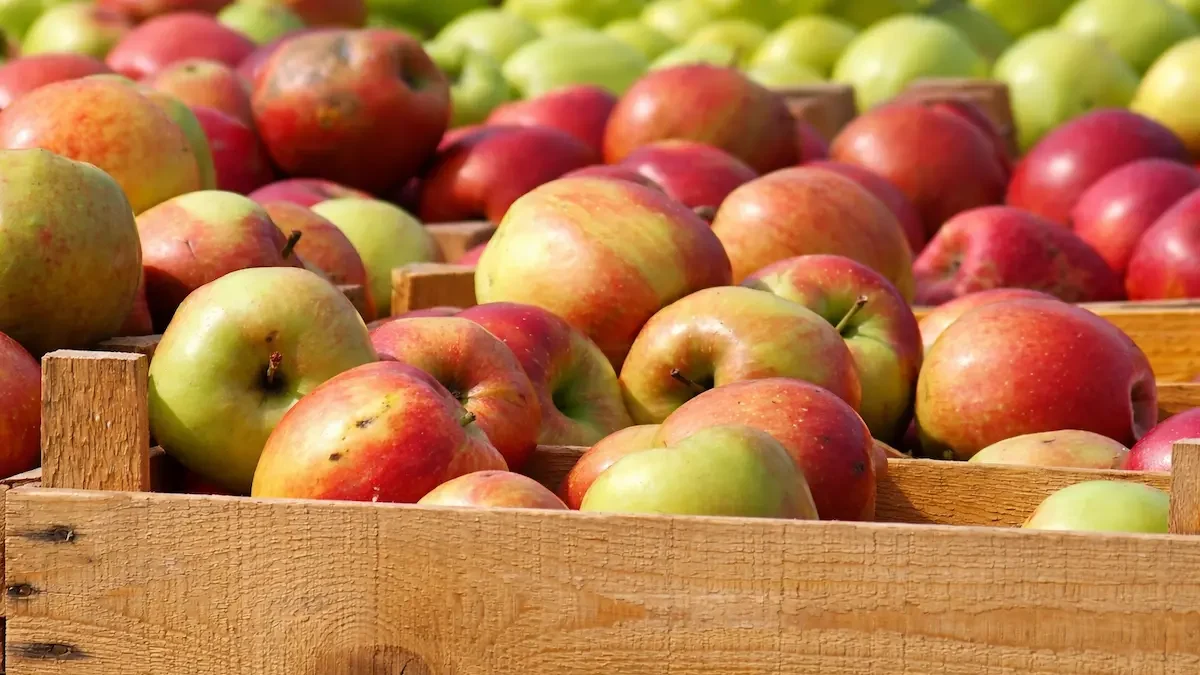
Storing apples and pears properly is less about equipment and more about understanding how fruit behaves after harvest. Many people assume that once picked, fruit simply “waits” to be eaten. In reality, it continues to respire, soften, and change internally. The goal of storage is not to stop that process, but to slow it down as much as possible.
Commercial growers use controlled atmosphere storage, but at home, you can get surprisingly close to good results with simple methods. According to University of Minnesota Extension fruit storage guide, temperature, humidity, and separation are the three factors that matter most.
Why Apples and Pears Behave Differently
Although they’re often grouped together, apples and pears don’t store in exactly the same way. Apples can be stored fully ripe and will hold their texture for months if conditions are right. Pears are different. Most varieties are picked mature but unripe, then allowed to ripen slowly off the tree.
This difference is important. If you store pears the same way as apples — waiting until they are soft before putting them away — they will not last long.
Apples are stable. Pears are transitional.
The Core Conditions That Actually Matter
The most important factor is temperature. Cool conditions slow down respiration and delay spoilage. A temperature just above freezing — around 0–4°C — is ideal. This is why a fridge, unheated garage, or cellar works far better than a kitchen counter.
Humidity matters just as much, but it’s often overlooked. Fruit loses moisture over time, which leads to shrivelling. Slightly humid conditions prevent this, but too much moisture leads to rot. It’s a balance rather than a fixed rule.
Airflow is the third piece. Stagnant air encourages mould, but too much exposure dries fruit out. A loosely ventilated space is best.
The Simple Method That Works
At home, the most reliable approach is to store fruit in shallow boxes or trays, ideally in a single layer. This reduces pressure damage and makes it easier to check for problems.
Wrap or separate fruit if possible. Even small contact points can spread rot from one fruit to another. A single spoiled apple can quickly affect everything around it.
Keep the storage area dark. Light speeds up deterioration, even at low temperatures.
Check the fruit regularly. This is one of the most practical habits you can build. Removing one bad apple early can extend the life of everything else.
The Ethylene Factor Most People Ignore
Apples produce ethylene gas — a natural plant hormone that speeds up ripening. Pears are particularly sensitive to it.
This means storing apples and pears together will cause the pears to ripen faster. In some cases, that’s useful. If you want pears to ripen, placing them near apples works well. But for long-term storage, it shortens their lifespan.
The same principle is explained in UC Davis postharvest fruit guide — managing ethylene exposure is critical for extending storage life.
A More Practical Way to Handle Pears
Instead of storing pears long-term in a ripe state, treat them as a staged crop. Keep them cool and firm, then bring a few into room temperature when you want them to ripen.
This spreads the harvest over weeks instead of days. It also reduces waste, which is one of the biggest issues with pears.
You’re not storing finished fruit — you’re managing timing.
What Usually Goes Wrong
Most storage problems come from small mistakes rather than big ones. Storing fruit in deep piles leads to bruising and hidden rot. Keeping everything at room temperature speeds up breakdown dramatically. Ignoring damaged fruit allows problems to spread.
Another common issue is washing fruit before storage. Moisture left on the skin increases the risk of mould. It’s better to store fruit dry and wash it just before use.
Storage Times You Can Expect
With good conditions, apples can store for several months, depending on the variety. Some keep far longer than others. Pears generally store for a shorter time, but because they are ripened in stages, they can still last across an extended period.
The exact timing matters less than the system. If you check regularly and manage ripening, you’ll always have usable fruit.
Why It’s Worth Getting Right
Good storage changes how you use your harvest. Instead of dealing with a sudden surplus, you create a steady supply over time.
It also improves quality. Properly stored apples stay crisp instead of turning mealy. Pears ripen more evenly instead of going from hard to overripe in a day.
Once you understand the basics — cool, slightly humid, separated, and checked regularly — the process becomes simple. And more importantly, it becomes reliable.