
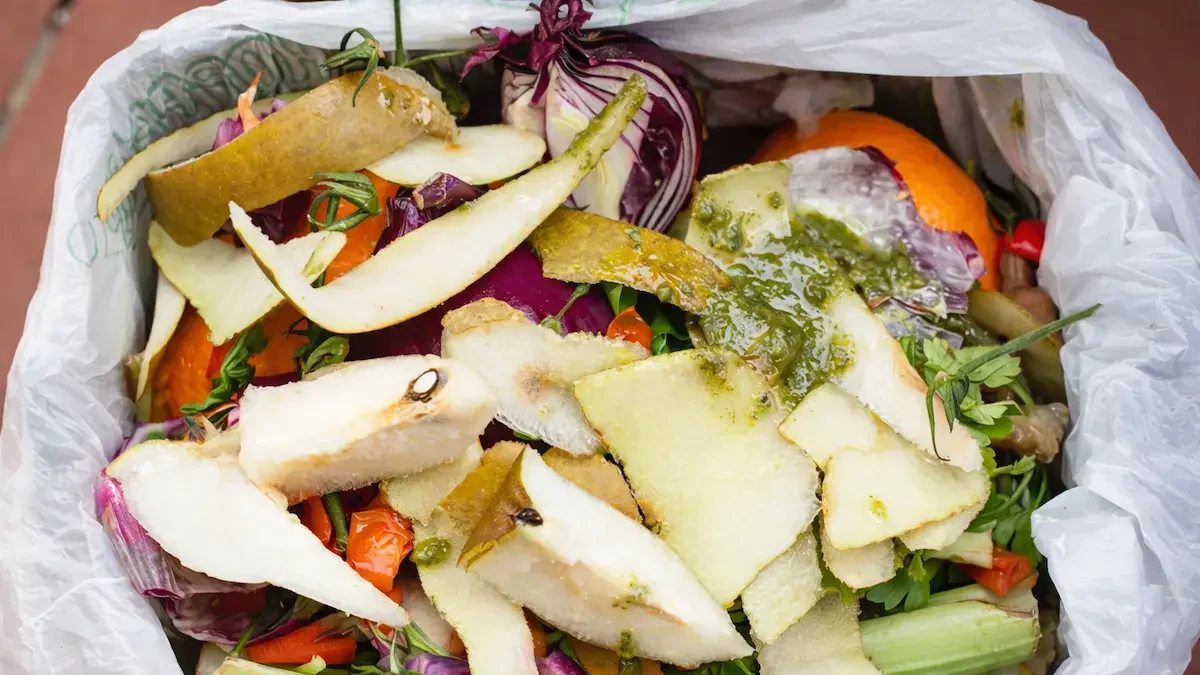
Making stock from vegetable scraps is one of the simplest ways to turn waste into something genuinely useful. Instead of throwing away peelings, trimmings, and outer leaves, you can turn them into a base that improves almost every cooked dish — soups, stews, grains, and sauces.
The key is not just saving scraps, but understanding which ones contribute good flavour and which don’t. Done properly, the result is clean, balanced, and far better than most shop-bought stock. As noted in University of Minnesota Extension guide to homemade stocks, flavour quality depends heavily on ingredient selection and cooking time.
What Counts as a Good Scrap
Not all vegetable waste is equal. Some scraps carry strong, clean flavours that build a solid base. Others introduce bitterness or muddy notes that ruin the final result.
Good scraps include onion skins, carrot peelings, celery ends, leek tops, garlic skins, and herb stems. These form the backbone of most vegetable stocks.
Avoid anything overly bitter or dominant. Brassicas like cabbage or broccoli can overwhelm the flavour. Potato peelings make stock cloudy and starchy. Anything spoiled should never be used.
A simple rule works well: if it wouldn’t taste good on its own, it probably won’t improve your stock.
Building a Scrap Habit
The easiest way to make this practical is to collect scraps gradually. Keep a container or freezer bag and add to it as you cook. This prevents waste and gives you enough material to make a proper batch when needed.
Freezing also helps preserve the scraps. According to USDA kitchen tips on freezing vegetables, freezing slows degradation and helps retain usable flavour until processing.
Over time, this becomes automatic. You stop thinking of scraps as waste and start seeing them as ingredients.
The Basic Method
Once you have enough scraps, place them in a large pot and cover with cold water. Starting cold allows flavour to extract more evenly.
Bring everything to a gentle simmer rather than a rolling boil. A slow simmer keeps the stock clean and prevents harsh flavours from developing.
Let it cook for about 45 minutes to an hour. Vegetable stock doesn’t benefit from long cooking — after that, flavours begin to flatten.
Straining and Finishing
When the stock smells rich and balanced, strain it through a sieve or cloth. Avoid pressing too hard, as that can make the liquid cloudy.
At this stage, you have a light, versatile stock. If needed, it can be reduced slightly to concentrate flavour.
Salt — When to Add It
It’s better not to salt stock during cooking. Leaving it neutral gives you more control later when using it in recipes.
If you reduce salted stock, it can quickly become overpowering.
What Most People Get Wrong
The most common mistake is treating all scraps as equal. Overloading the pot with random vegetable waste leads to muddy, unbalanced stock.
Cooking too long is another issue. Unlike meat stock, vegetable stock loses quality if overcooked.
Using too much water also weakens the result. The goal is extraction, not dilution.
A More Practical Way to Think About It
Stock is not a separate task — it’s a continuation of cooking. You’re simply finishing what you started when preparing vegetables.
Instead of throwing flavour away, you’re capturing it.
Storage and Use
Once cooled, stock can be stored in the fridge for a few days or frozen for longer use. Freezing in portions makes it practical and efficient.
It can also be reduced further into a concentrated form, saving space and making it more versatile.
Why It’s Worth Doing
Making stock from scraps changes how you use your kitchen. Waste drops, efficiency improves, and the quality of your cooking increases without extra cost.
More importantly, it shifts your mindset. You stop thinking in terms of waste and start thinking in terms of cycles — where everything useful gets used.