The Best Containers for Storing Homegrown Produce Long-Term

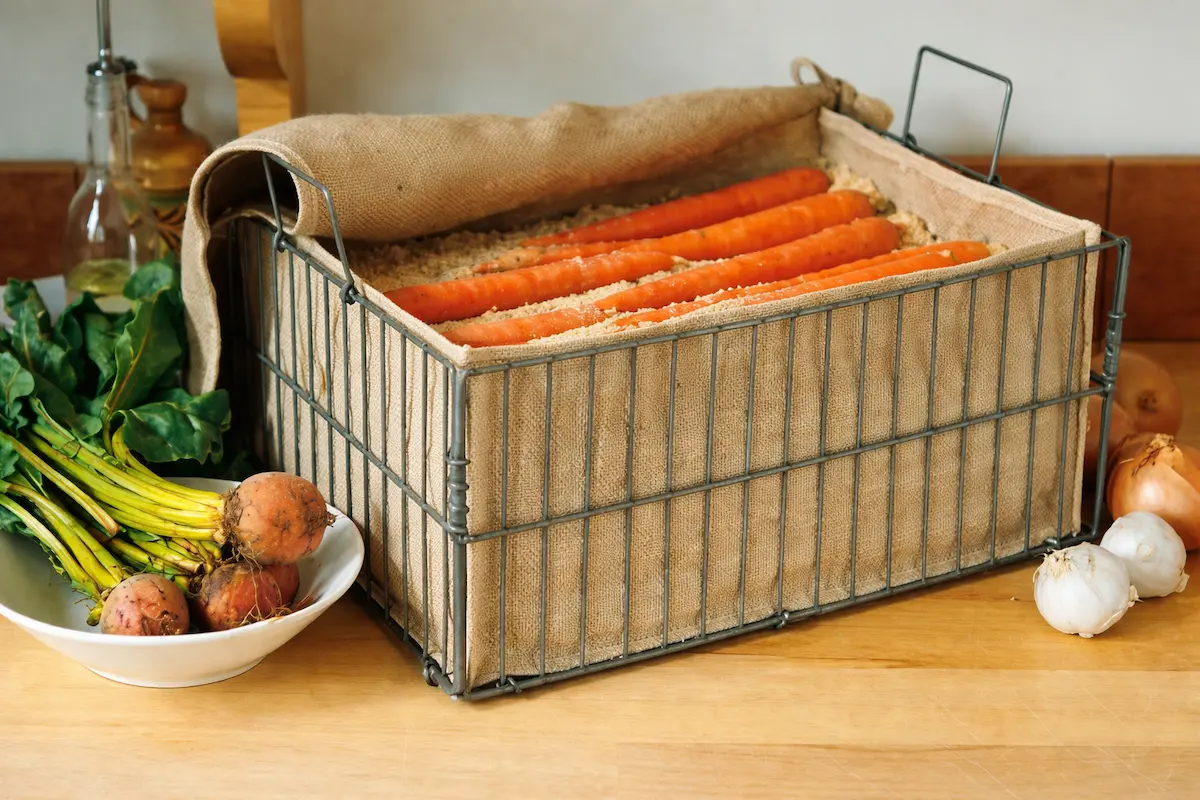
There is no single best container for storing homegrown produce. Container choice follows condition required — and each crop belongs to one of three distinct storage environments. Choosing the wrong container for the wrong crop accelerates deterioration even in a good storage location. Quick Answer Cold and moist (32–40°F, 90–95% RH): root vegetables — carrots, beetroot, … Read more

How to Blanch and Freeze Vegetables Without Losing Texture

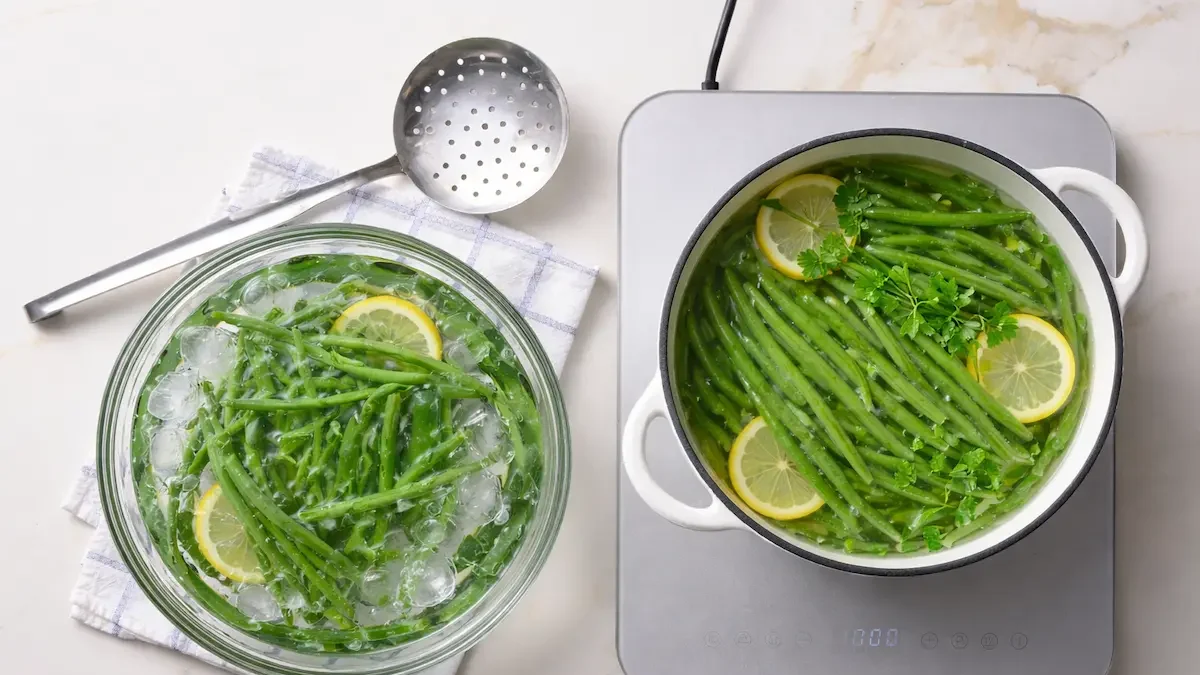
Mushy frozen vegetables are not caused by freezing itself. They are caused by two specific errors: underblanching, which leaves enzymes active to break down cell structure during storage, and slow freezing, which forms large ice crystals that physically rupture the cell walls. Both are avoidable. Quick Answer Why blanch at all: blanching stops enzyme activity that … Read more

Why Bolting Happens and How to Slow It Down

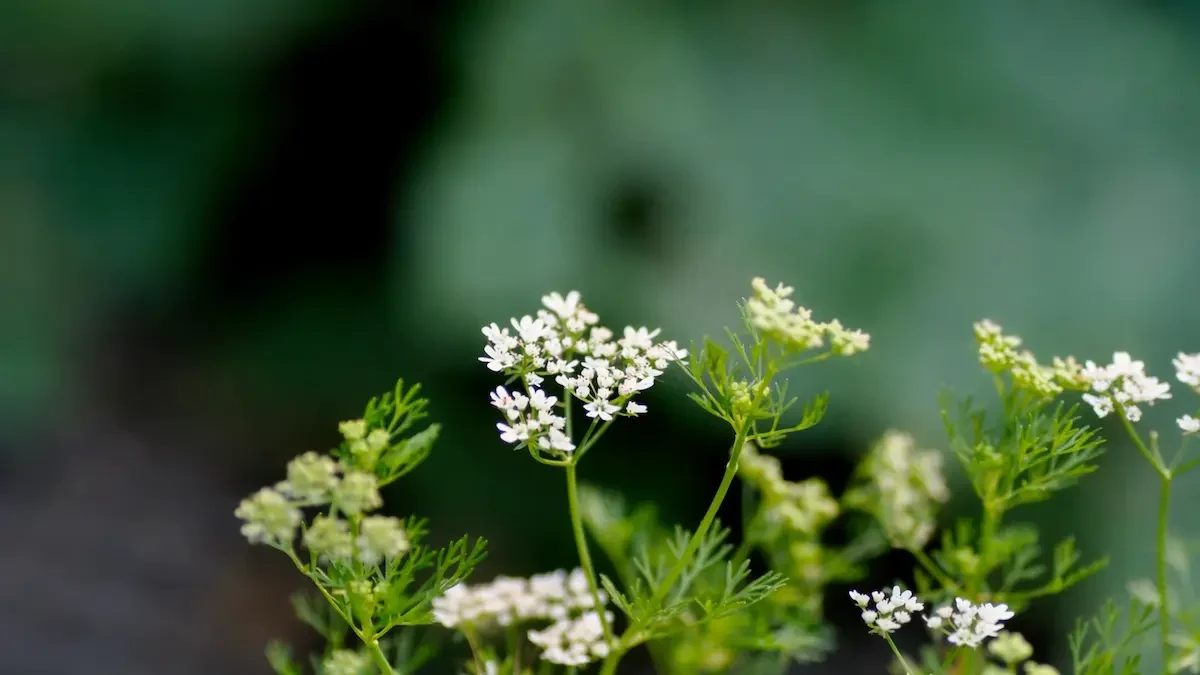
Bolting is not just a heat problem. Most spring crops bolt in response to a specific combination: cool early growth followed by lengthening days. Understanding which trigger applies to which crop is what makes the difference between effective prevention and frustrated guessing. Quick Answer What bolting is: the plant switching from vegetative growth (leaves, roots) to … Read more

How to Save Seeds From Your Best Spring Vegetables

Seed saving starts with one decision that most guides skip: you can only save seeds reliably from open-pollinated varieties. Seeds from F1 hybrids will not produce plants matching the parent. Getting that right first makes everything else straightforward. Quick Answer Easiest crops to start with: peas, French beans, runner beans, lettuce, and tomatoes. All are self-pollinating … Read more