What Causes Leggy Seedlings and How to Fix It

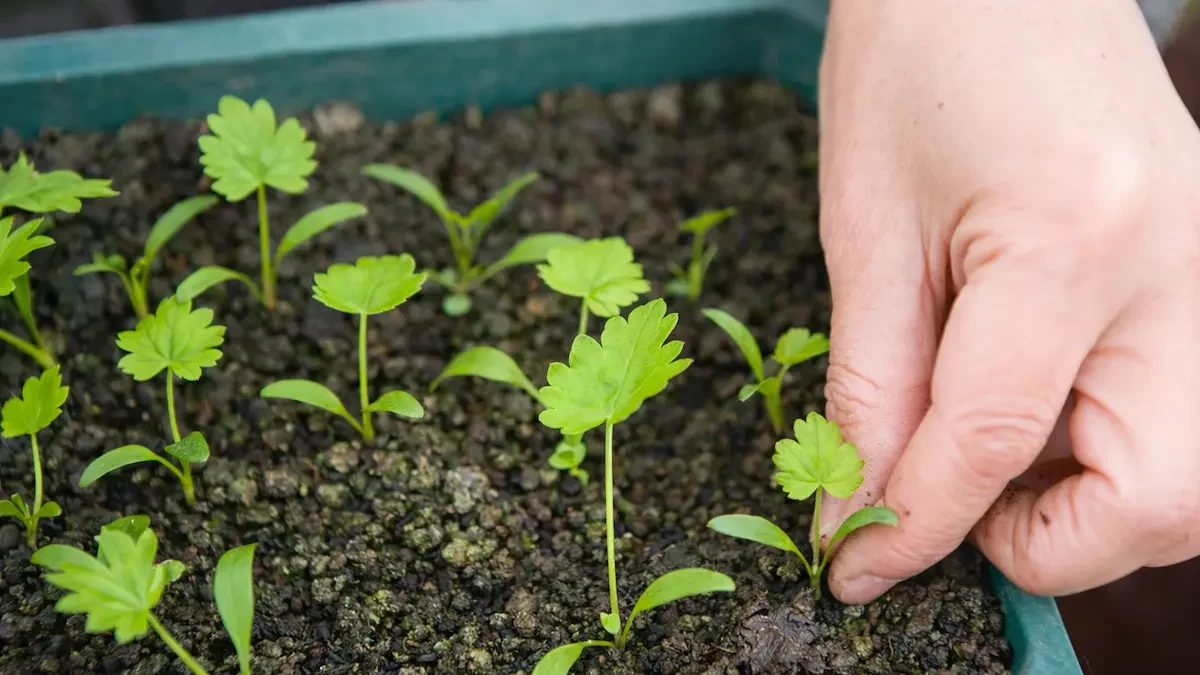
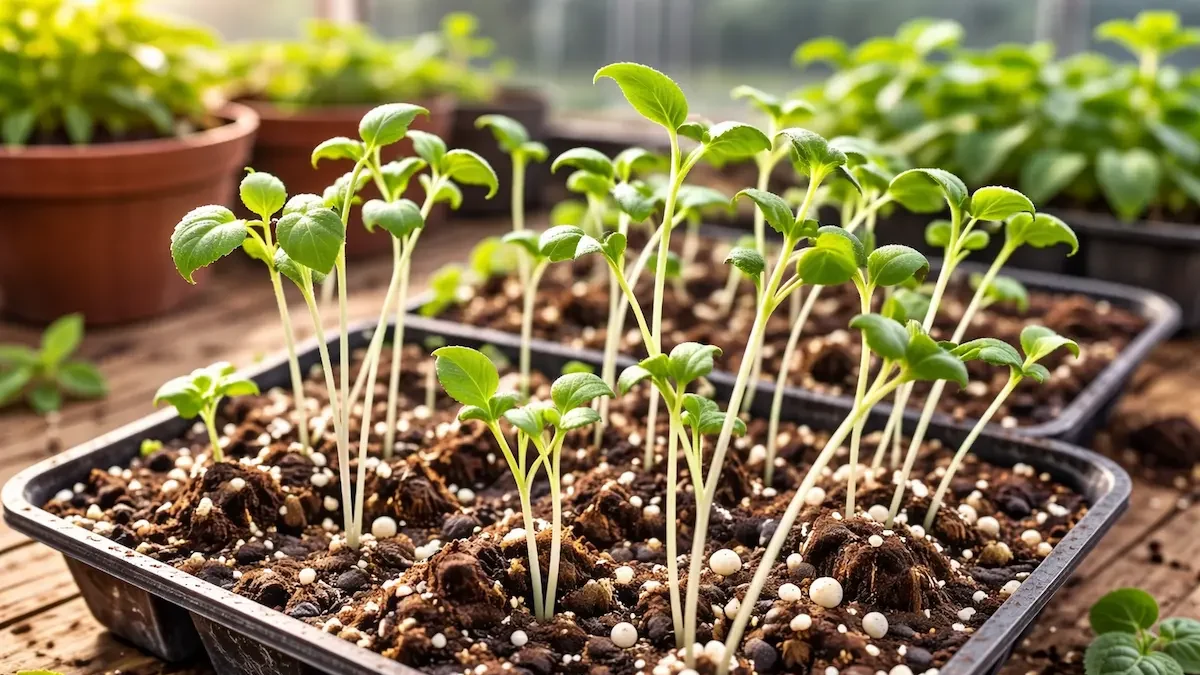
Leggy, pale, floppy seedlings are not a feeding problem or a watering problem. They are the plant’s hormone-driven response to insufficient light — a survival mechanism that has been making gardeners frustrated for as long as people have tried to grow plants on windowsills. Quick Answer Primary cause: insufficient light intensity. The plant produces auxin hormones … Read more

How to Read Seed Packet Information Correctly

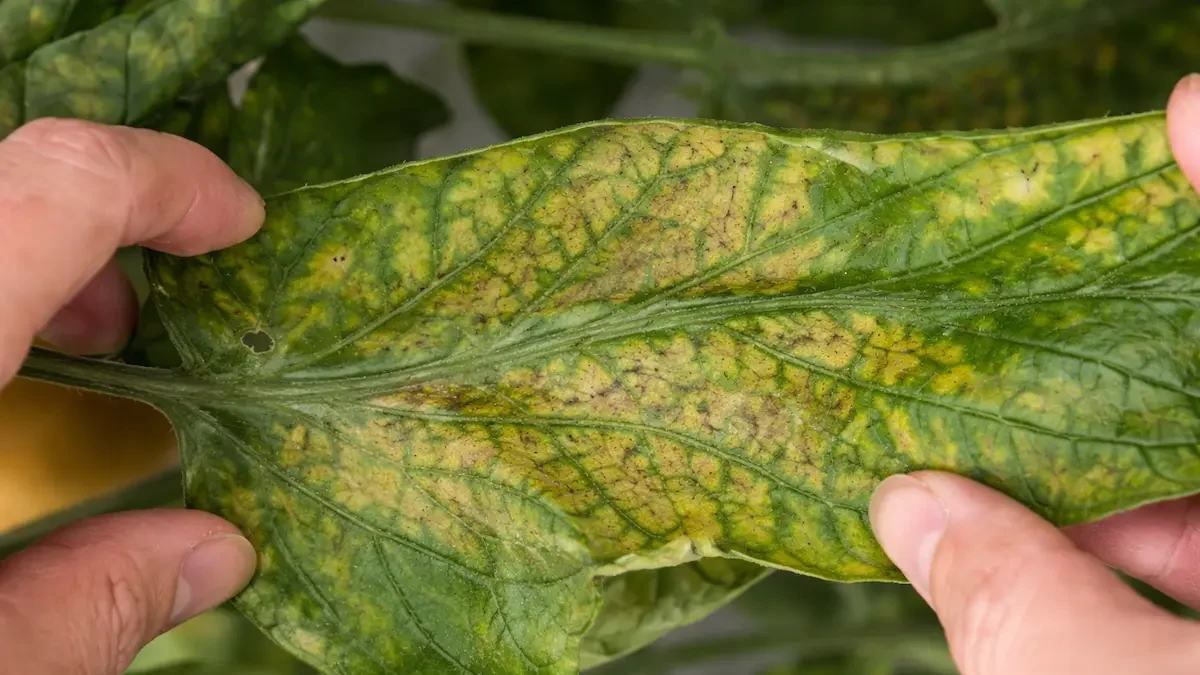
A seed packet contains eight distinct pieces of information. Most beginners use two — the picture on the front and a rough planting date. Here’s what every field actually means, which ones most growers misread, and why “days to maturity” is not as straightforward as it looks. Quick Answer Days to maturity — counts from germination … Read more

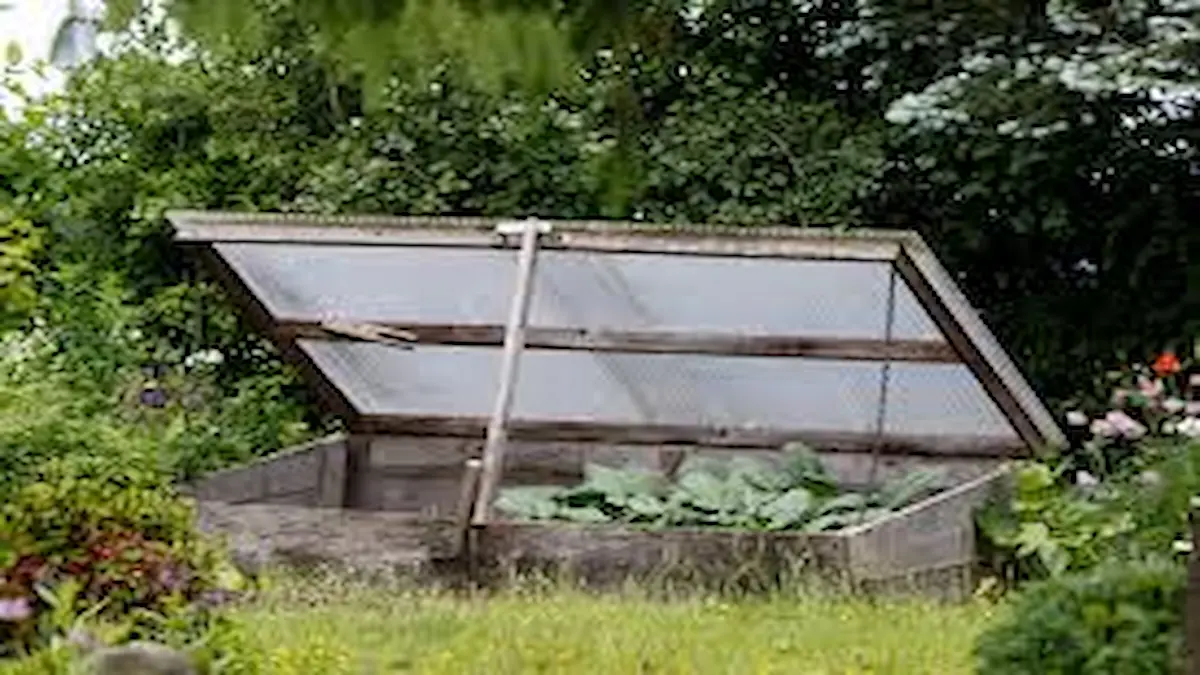
Cold Frame Gardening: The Easiest Way to Grow Vegetables Before Spring

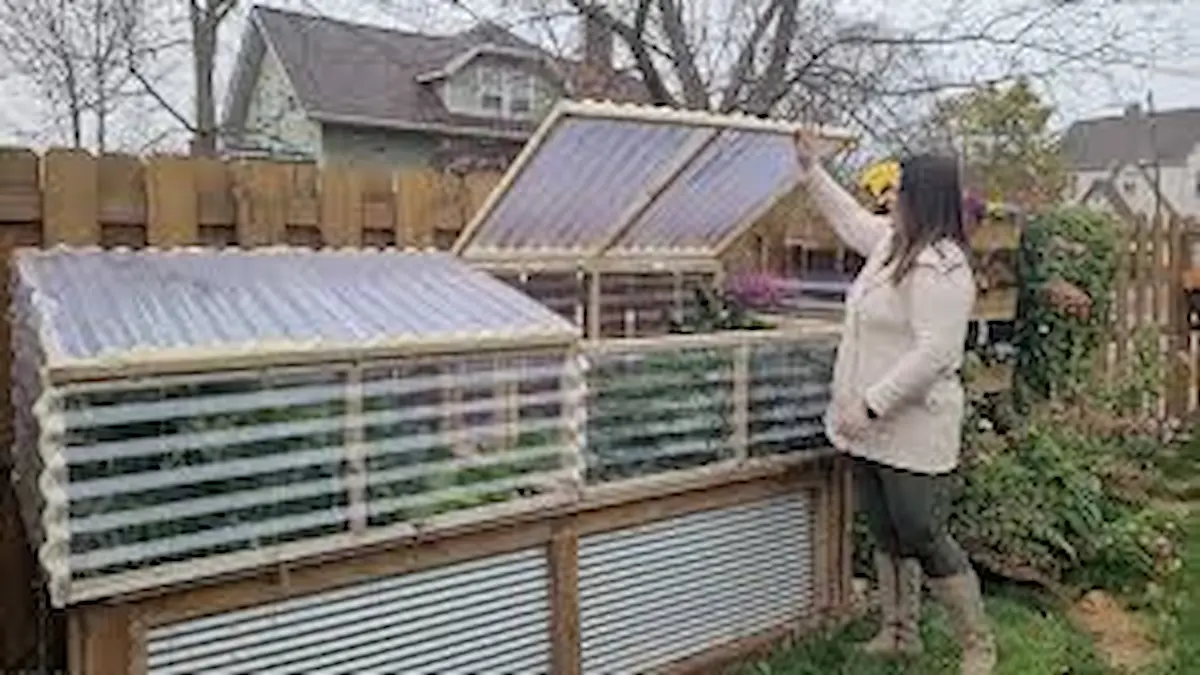
For gardeners and small-scale growers, the weeks before spring can feel like a waiting game. Temperatures remain too low for most crops, frost risks are still present, and soil conditions are often unpredictable. But many gardeners have discovered a simple solution that allows them to start growing weeks earlier: the cold frame. Cold frame gardening … Read more

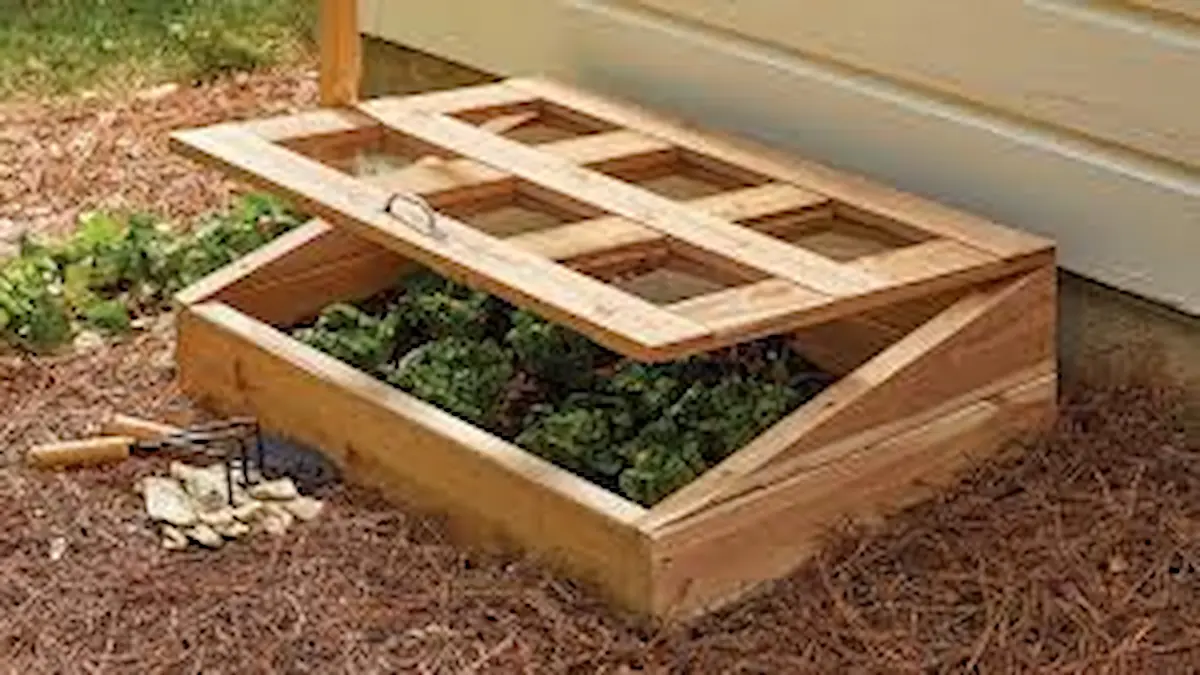
Cold Frame Setup: How to Extend Your Growing Season by 6 Weeks for the Cost of a Salvaged Window

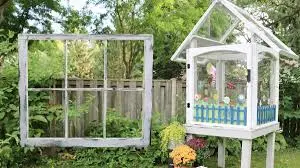
Eliot Coleman called it the most flexible low-tech tool in the garden. He’s right. A cold frame costs almost nothing to build, requires no electricity, and moves your first harvest weeks earlier every single year — if you site it correctly and avoid one common mistake. Quick Answer What it does: A cold frame raises the … Read more

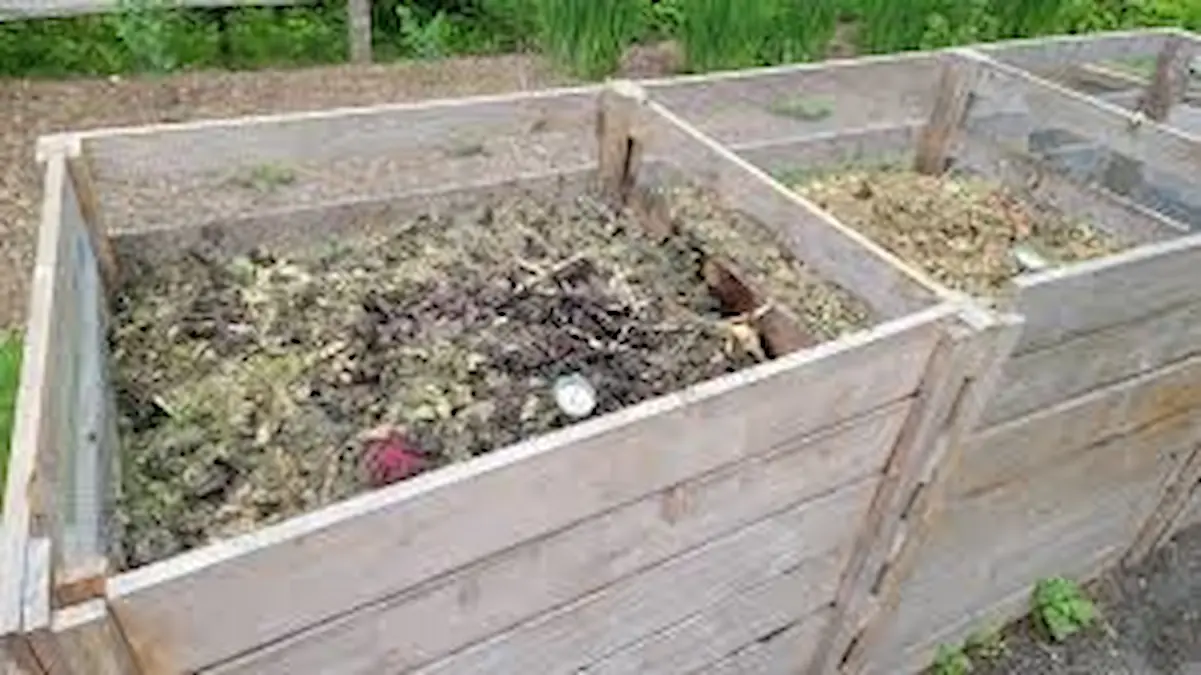
Compost Activation After Winter: 5 Things to Do in Early Spring to Get Your Pile Working Again

A winter compost pile isn’t dead — it’s dormant. The microbes that do the work are still in there, waiting for warmth, oxygen, and nitrogen. Here’s exactly how to wake them up, in order, before your beds need feeding. ⚡ Quick Answer Your pile isn’t broken. Cold slows microbial activity to near zero — but once … Read more