Why Bolting Happens and How to Slow It Down
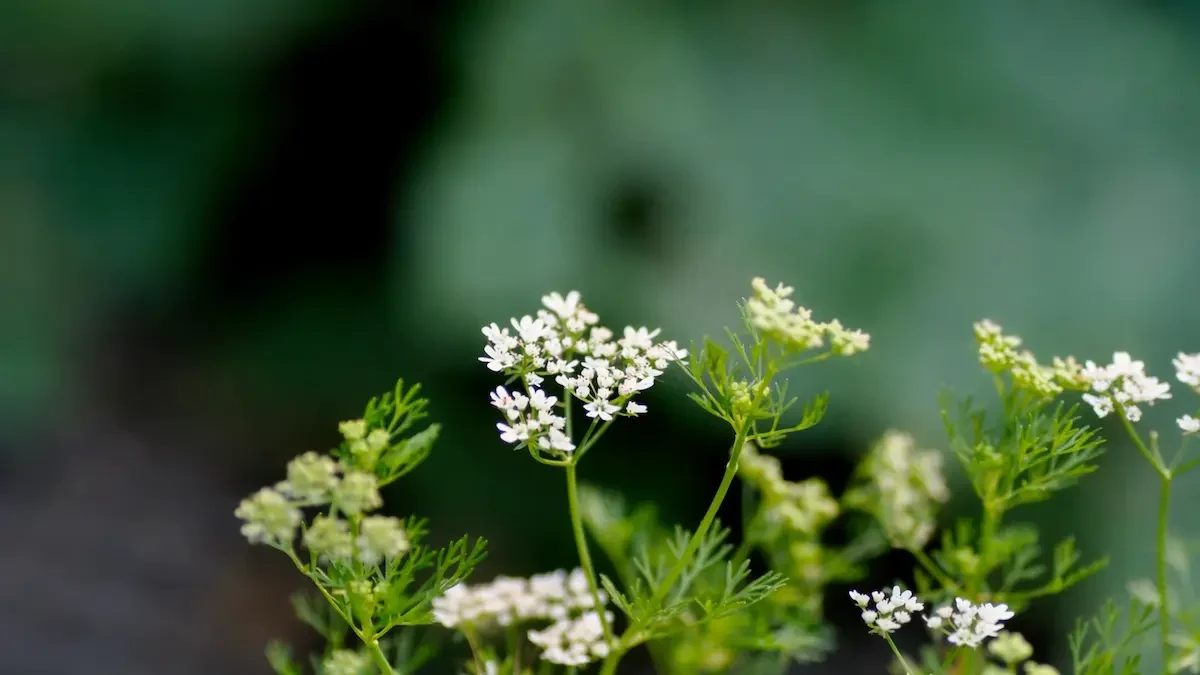
Bolting is not just a heat problem. Most spring crops bolt in response to a specific combination: cool early growth followed by lengthening days. Understanding which trigger applies to which crop is what makes the difference between effective prevention and frustrated guessing. Quick Answer What bolting is: the plant switching from vegetative growth (leaves, roots) to … Read more
How to Save Seeds From Your Best Spring Vegetables

Seed saving starts with one decision that most guides skip: you can only save seeds reliably from open-pollinated varieties. Seeds from F1 hybrids will not produce plants matching the parent. Getting that right first makes everything else straightforward. Quick Answer Easiest crops to start with: peas, French beans, runner beans, lettuce, and tomatoes. All are self-pollinating … Read more

What Causes Leggy Seedlings and How to Fix It

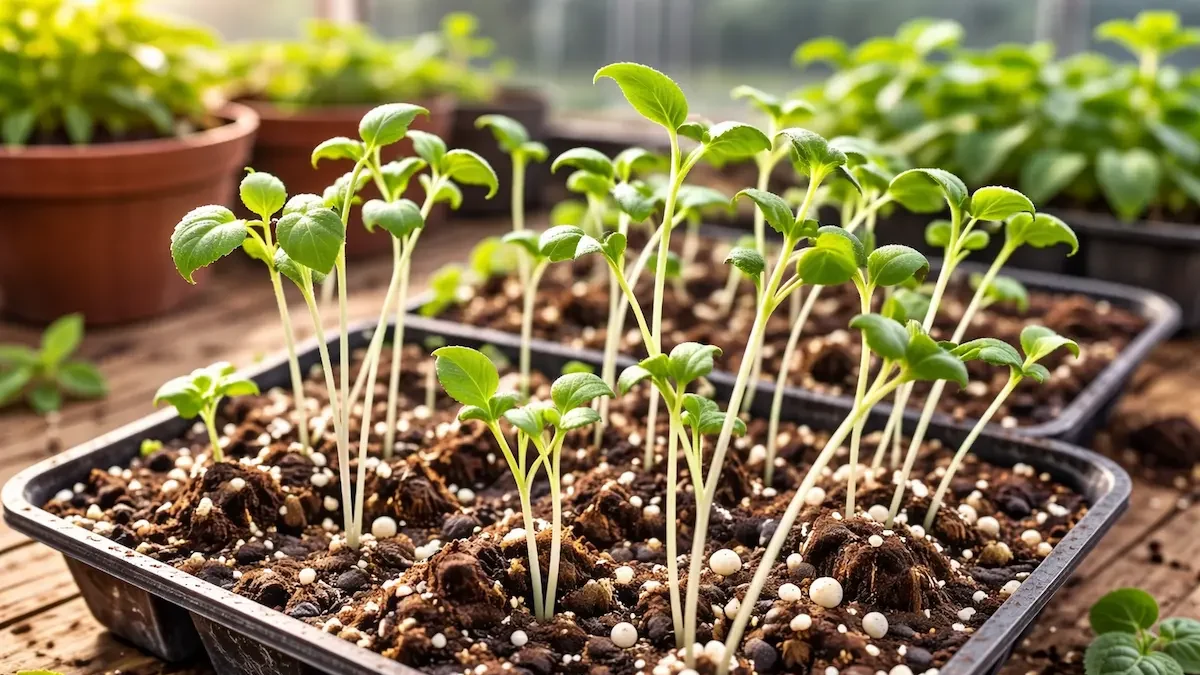
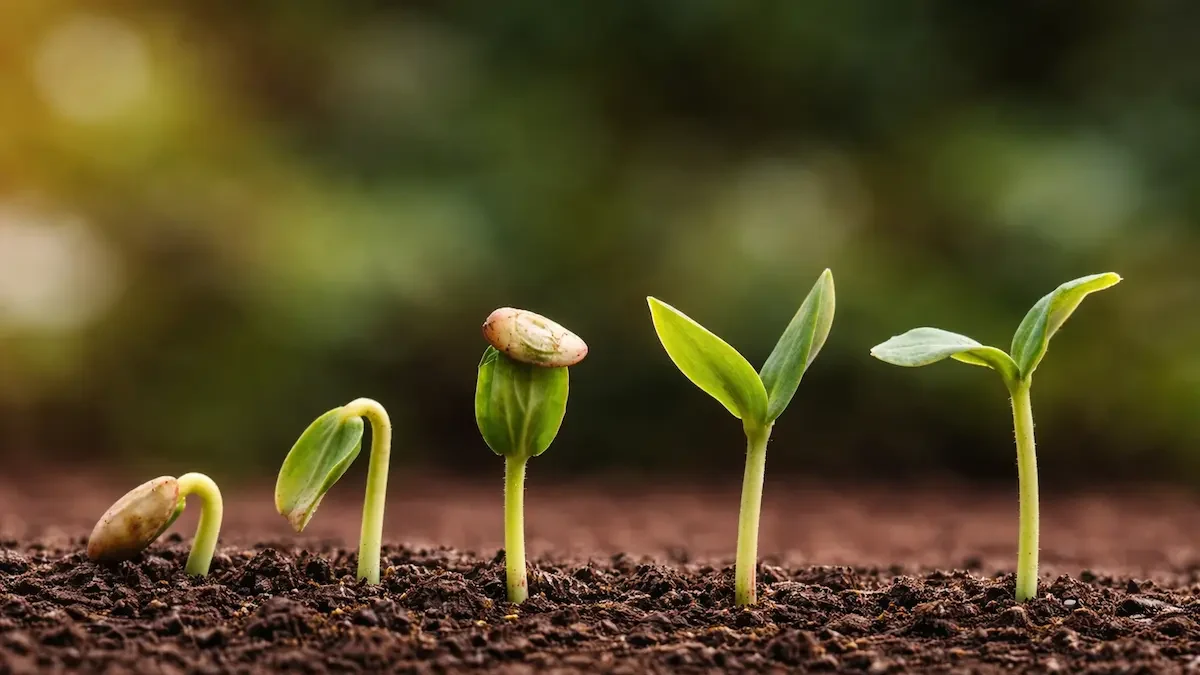
Leggy, pale, floppy seedlings are not a feeding problem or a watering problem. They are the plant’s hormone-driven response to insufficient light — a survival mechanism that has been making gardeners frustrated for as long as people have tried to grow plants on windowsills. Quick Answer Primary cause: insufficient light intensity. The plant produces auxin hormones … Read more

How to Read Seed Packet Information Correctly

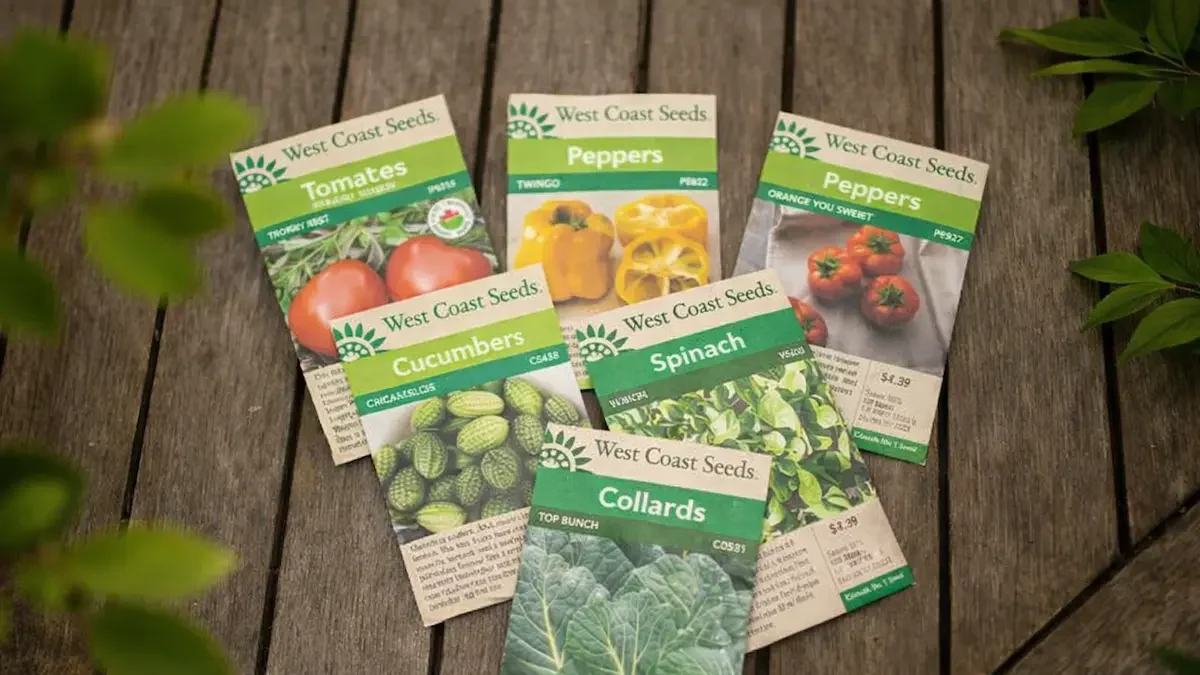
A seed packet contains eight distinct pieces of information. Most beginners use two — the picture on the front and a rough planting date. Here’s what every field actually means, which ones most growers misread, and why “days to maturity” is not as straightforward as it looks. Quick Answer Days to maturity — counts from germination … Read more