Direct Sowing vs Transplanting: Which Vegetables Actually Prefer Each Method
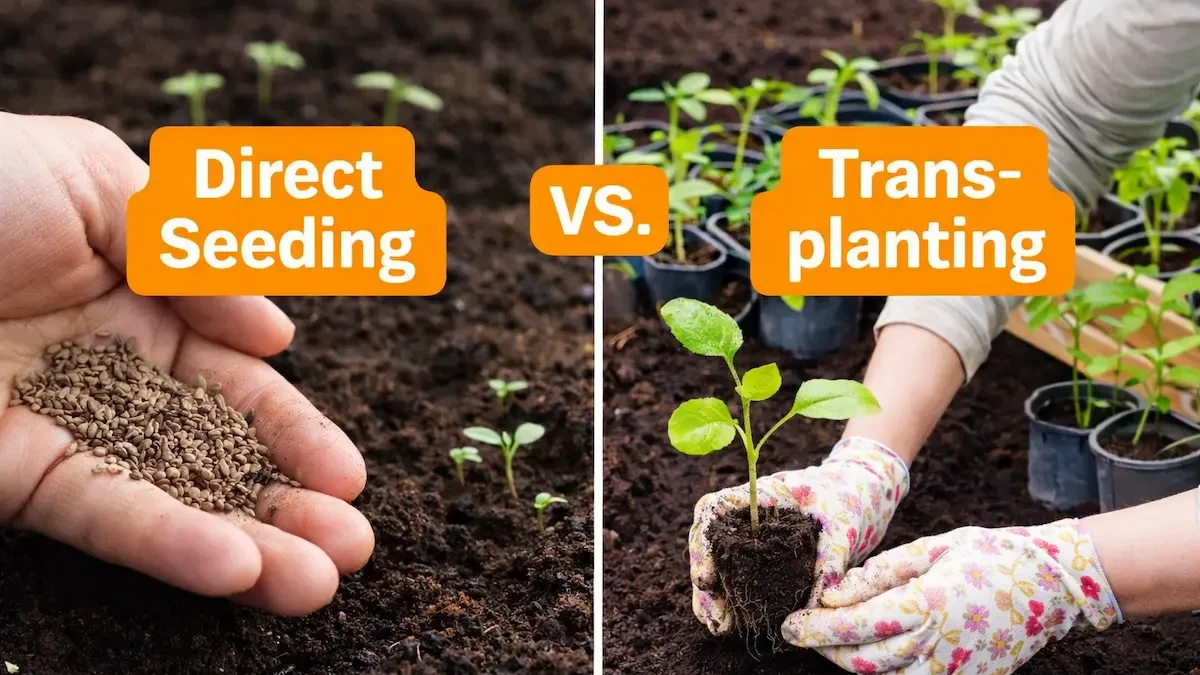
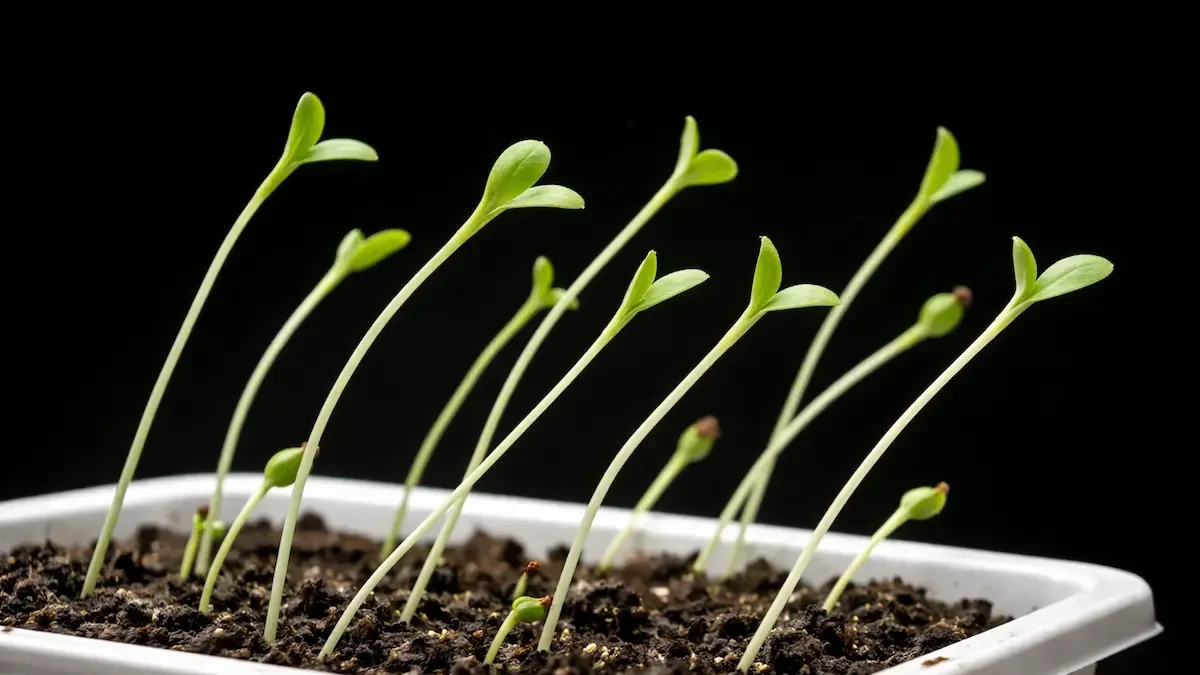
The decision isn’t about preference — it’s about plant biology. Root crops must be direct sown. Long-season crops must be transplanted in short-season climates. Getting this wrong costs you the harvest, not just a few weeks. Quick Answer Always direct sow: carrots, parsnips, beetroot, turnips, radishes, peas, spinach, beans. Transplanting root crops produces forked, deformed roots. … Read more
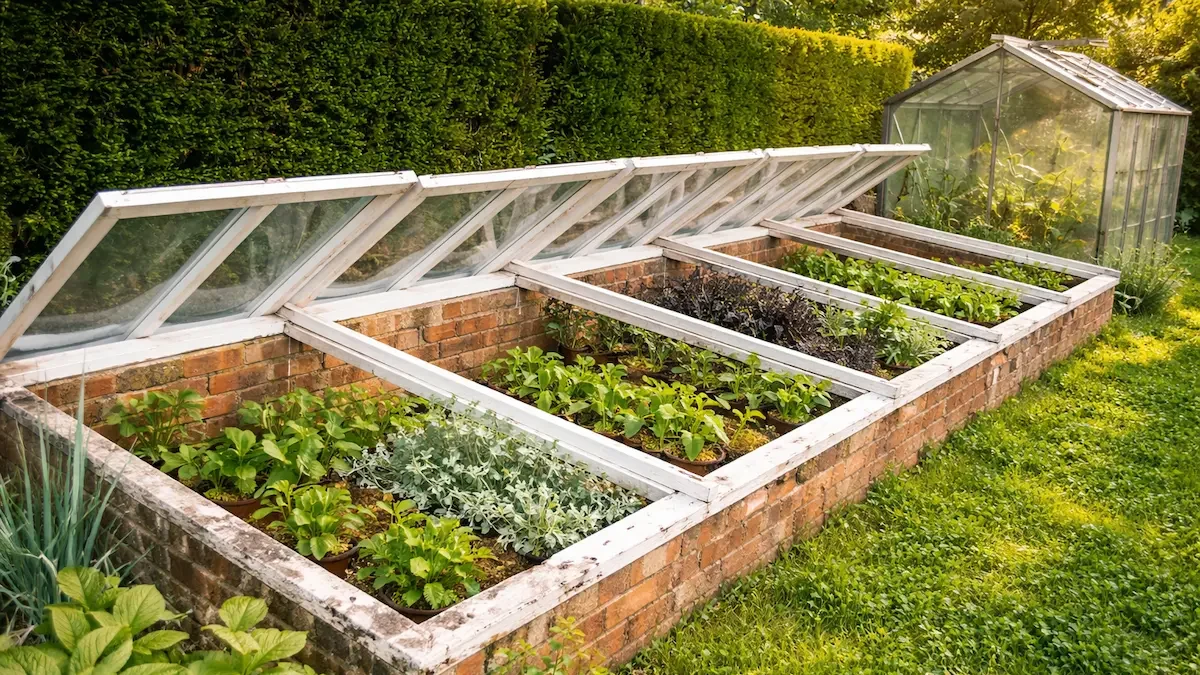
Raised Bed Gardening for Beginners: Grow More Vegetables in a Small Space

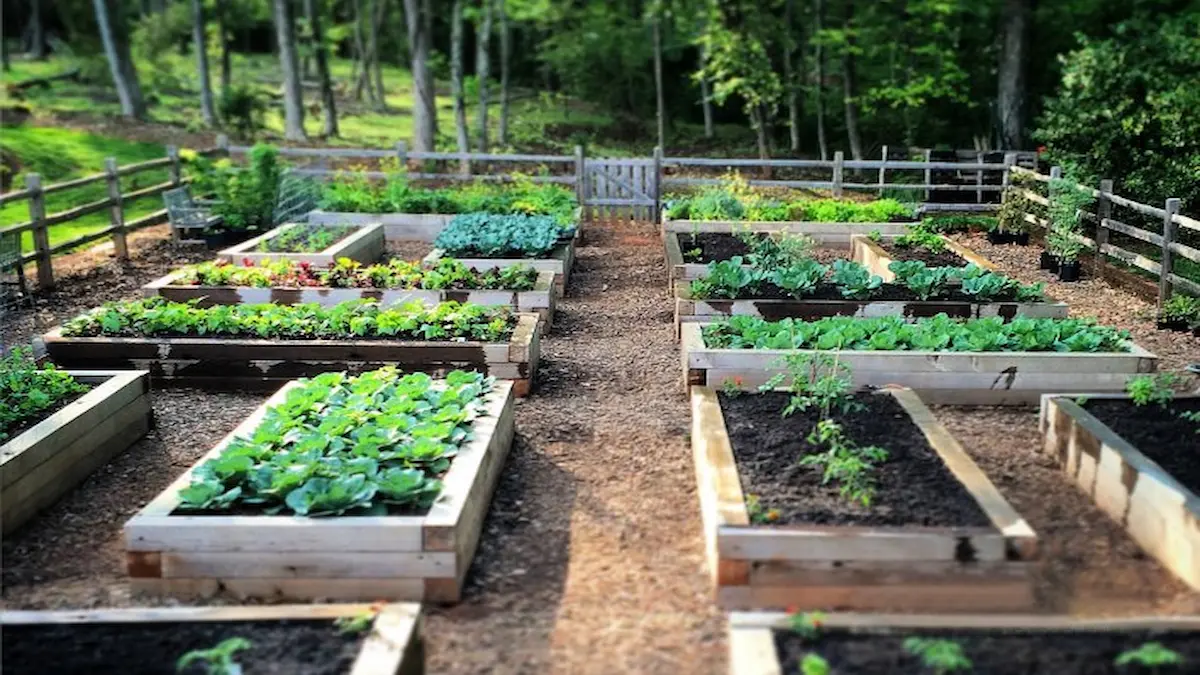
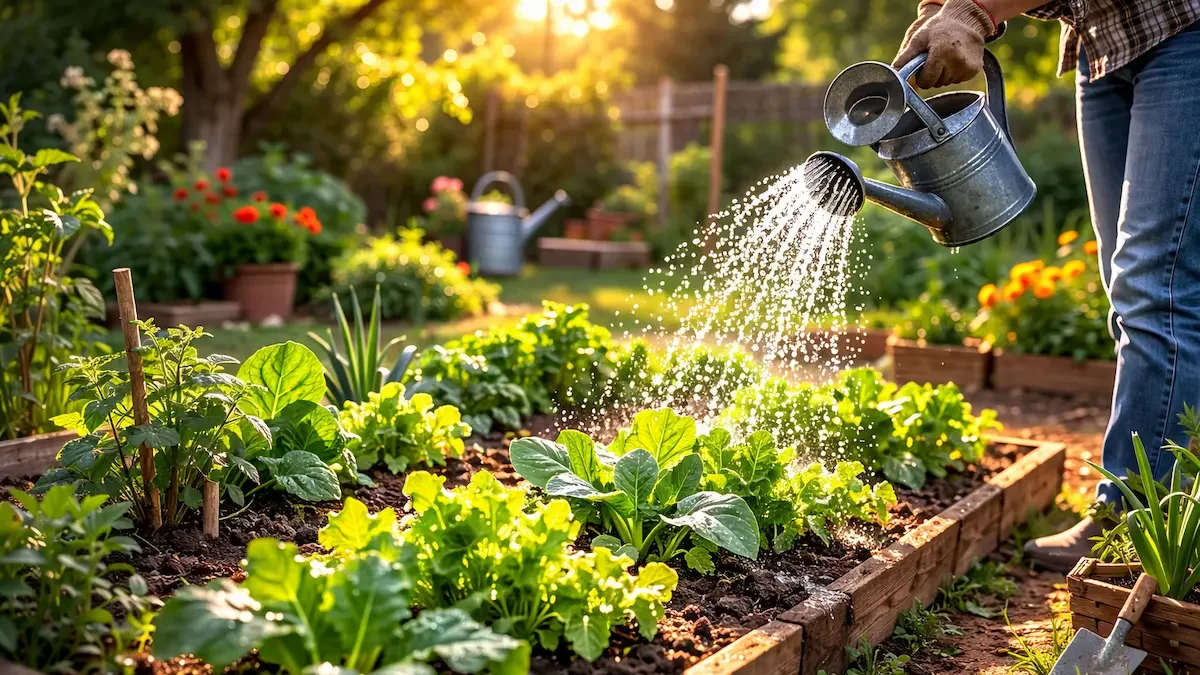
For many beginner gardeners, limited space can make growing vegetables seem challenging. Small backyards, patios, or urban environments often do not leave enough room for traditional garden rows. Fortunately, raised bed gardening offers a practical solution. By growing vegetables in elevated garden boxes, gardeners can improve soil quality, reduce weeds, and grow more food in … Read more

Clear Plastic Warms Spring Soil 20°F in 4 Days: How to Use It Right

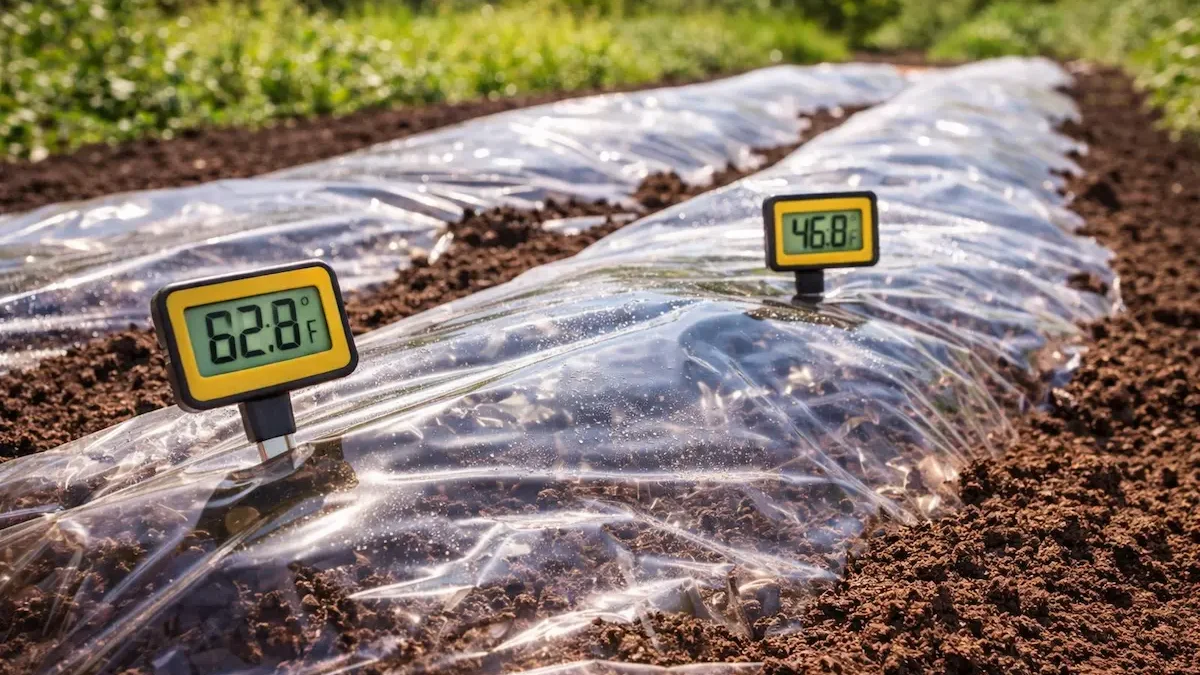
Soil temperatures across USDA Zones 5 through 7 hover between 36°F and 44°F at 2-inch depth through mid-March — below the 45°F minimum for radish germination and well below the 50°F threshold needed for reliable spinach emergence. According to University of Missouri Extension research on plastic mulch systems, clear polyethylene transmits solar radiation directly to … Read more

Spring Soil Preparation: What Actually Improves Germination Rates

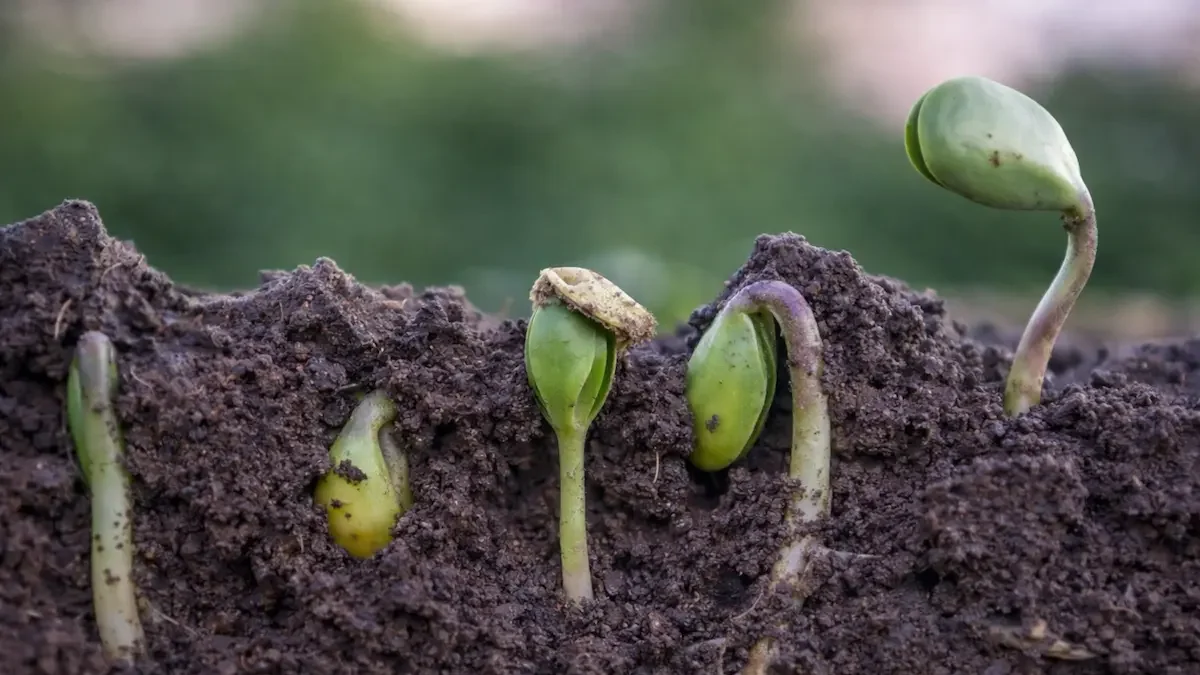
Seed packets give you sowing instructions. They rarely explain what the soil itself needs to make those instructions work. Germination depends on four things happening simultaneously — and most spring preparation problems come from neglecting one of them. Quick Answer Four things seeds need simultaneously: moisture (50–75% of field capacity), oxygen (not waterlogged), adequate temperature (crop-specific), … Read more

How Raised Beds Warm Soil Faster in Spring Gardens — and How to Maximise the Advantage

Raised beds do warm faster in spring — but not primarily because they’re elevated. The real mechanism is drainage. Waterlogged soil holds cold; well-drained soil warms rapidly. Here’s how the advantage works, how much earlier it lets you plant, and what actually amplifies it. Quick Answer Why raised beds warm faster: faster drainage removes cold water … Read more