
For gardeners and small-scale growers, the weeks before spring can feel like a waiting game. Temperatures remain too low for most crops, frost risks are still present, and soil conditions are often unpredictable. But many gardeners have discovered a simple solution that allows them to start growing weeks earlier: the cold frame.
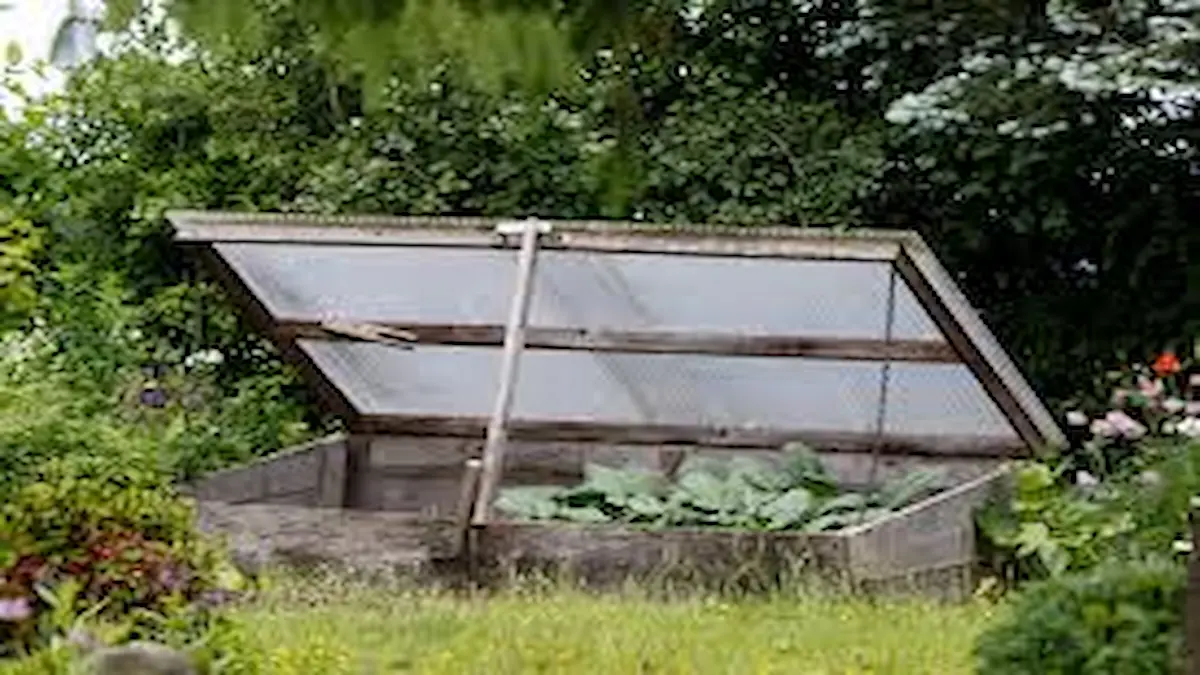
Cold frame gardening is one of the oldest and most affordable techniques for extending the growing season. With little more than a wooden box and a transparent lid—often made from a recycled window—gardeners can create a miniature greenhouse that protects plants from cold temperatures and harsh weather.
According to seasonal growing guides from the U.S. Department of Agriculture, cold frames can allow gardeners to start vegetables four to six weeks before the normal planting season, depending on the climate.
What Is a Cold Frame?
A cold frame is a small, low structure with transparent covering that traps heat from sunlight and protects plants from cold air and frost.
Most cold frames consist of:
- a wooden or metal box placed on the soil
- a transparent lid made from glass or plastic
- soil or planting trays inside the frame
The transparent top allows sunlight to enter while retaining heat inside the structure.
During sunny days, temperatures inside a cold frame can become significantly warmer than the surrounding air. This creates a protected microclimate that allows plants to grow even when outdoor temperatures are still too cold.
Cold frames are sometimes described as “mini greenhouses”, but they are much simpler and cheaper to build.
Why Cold Frames Work
Cold frames rely on a basic greenhouse effect.
Sunlight enters through the transparent lid and warms the soil and air inside the frame. Because the lid prevents heat from escaping quickly, the temperature inside remains warmer than the outside environment.
According to gardening research and planting guides from Cornell University Cooperative Extension, a well-positioned cold frame can maintain temperatures 5–10°C (10–20°F) warmer than the surrounding air during sunny weather.
This temperature difference can make a huge impact in early spring when nights are still cold but daytime sunlight is strong.
Vegetables That Grow Well in Cold Frames
Cold frames work best for cool-season crops that tolerate lower temperatures.
Many leafy greens and hardy vegetables can grow successfully in cold frames weeks before the outdoor planting season begins.
Common cold frame crops include:
- lettuce
- spinach
- arugula
- kale
- radishes
- green onions
- Swiss chard
According to planting calendars published by the Old Farmer’s Almanac, these crops can often be planted in cold frames several weeks before the last expected frost date.
This allows gardeners to harvest fresh vegetables earlier in the season.
How to Build a Simple Cold Frame
One reason cold frames remain popular is that they are extremely easy to build.
A basic cold frame can be constructed using simple materials, including recycled items.
A typical DIY cold frame requires:
- wooden boards or bricks to create the frame
- an old window, polycarbonate sheet, or clear plastic lid
- basic screws or hinges to attach the lid
The structure is usually placed directly on top of garden soil.
Many gardeners angle the lid slightly toward the sun to increase sunlight exposure and improve drainage during rain.
Because cold frames are relatively small, they can be installed in backyard gardens, raised beds, or small farms.
Choosing the Best Location
Location plays a major role in how well a cold frame performs.
Experts recommend placing cold frames in areas that receive maximum sunlight during winter and early spring.
According to gardening guidance from the National Gardening Association, the ideal cold frame location should:
- face south or southeast
- receive at least six hours of sunlight per day
- be protected from strong winds
- have well-drained soil
Placing the cold frame near a wall or fence can also help retain heat, since nearby structures may block cold winds.
Managing Temperature Inside a Cold Frame
Although cold frames protect plants from cold temperatures, they can occasionally become too warm during sunny days.
If the temperature inside rises too high, plants may wilt or experience heat stress.
Gardeners usually prevent overheating by opening the lid slightly to allow airflow.
Many cold frame lids are attached with hinges so they can be easily lifted during warmer hours.
Closing the lid again in the evening helps trap heat overnight and protect plants from frost.
Monitoring temperature regularly is one of the most important aspects of successful cold frame gardening.
Additional Uses for Cold Frames
Cold frames are not only useful for early planting. Gardeners also use them for several other purposes.
For example, cold frames are often used to harden off seedlings. This process gradually exposes young plants to outdoor conditions before transplanting them into the garden.
Cold frames can also extend the harvest season in autumn by protecting crops from early frost.
Some gardeners even grow winter greens inside cold frames during milder climates.
Because they provide a controlled environment, cold frames can significantly increase the length of the gardening season.
The Bottom Line
Cold frame gardening offers a simple, low-cost way to extend the growing season and harvest vegetables earlier in the year.
With basic materials such as a wooden box and a recycled window, gardeners can create a protected environment that shields plants from cold weather while capturing warmth from the sun.
According to planting guides from the U.S. Department of Agriculture, this simple technique can allow vegetables to grow several weeks before spring officially begins.
For home gardeners and small-scale growers alike, a cold frame can be one of the easiest tools for producing fresh vegetables earlier—and making the most of every growing season.