
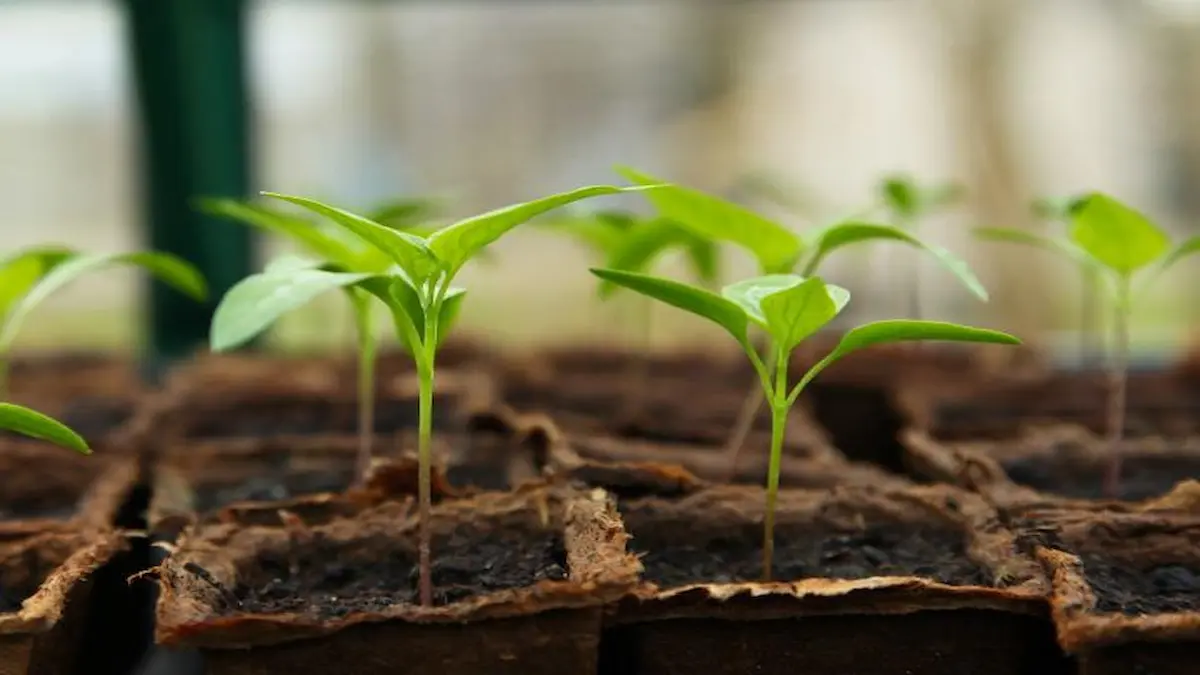
Most spring fertilising advice treats all vegetables the same. They aren’t. Leafy greens need nitrogen now. Root crops need phosphorus at sowing, not nitrogen. Tomatoes and squash need nothing yet — and giving them fertiliser in early spring actively slows them down.
Quick Answer
Feed now: leafy greens (lettuce, spinach, kale, chard) — nitrogen-rich fertiliser as soon as you sow or transplant.
Feed at sowing: root crops (carrots, beetroot, turnips) — phosphorus-focused feed worked into the bed before seed goes in. No nitrogen — it causes forking.
Don’t feed yet: tomatoes, peppers, cucumbers, squash — they’re still indoors or weeks from transplant. Premature feeding produces weak, leggy plants. Feed when they’re in the ground and actively growing.
According to the University of Maryland Extension, vegetable crops need nutrients most at two points: when getting established, and during flowering and fruiting. Different crops reach those stages at completely different times. The cool-season crops you’re sowing now — lettuce, spinach, peas, kale — are actively establishing in March. The warm-season crops you’re starting indoors — tomatoes, squash, cucumbers — won’t reach establishment in outdoor soil for another six to ten weeks. Feeding them now, in empty beds or as indoor seedlings, wastes fertiliser and encourages soft leafy growth vulnerable to late frosts.
Why Soil Temperature Changes Everything
University of Maryland Extension notes that peak nitrogen release from soil organic matter typically occurs in July, when microbial activity peaks. In early spring, cold soil slows that release dramatically — which is exactly why cool-season crops benefit from a targeted early feed, while warm-season crops won’t need supplemental nitrogen until they’re established in the ground weeks from now.
Crop by Crop: What Each Vegetable Needs and When
| Crop | When to Feed | What to Give | What to Avoid |
|---|---|---|---|
| Lettuce, spinach, chard, arugula | Now — at sowing or transplant | Nitrogen-rich: blood meal, fish emulsion, or balanced granular (10-10-10). Work into top 3–5 inches. | Nothing — these are your highest-priority early feeds |
| Kale, cabbage, broccoli | Now — before transplanting | Balanced fertiliser at bed prep. Side-dress with nitrogen once plants are established outdoors. | Excess nitrogen before hardening off — causes soft frost-susceptible growth |
| Peas, broad beans | Minimal — at sowing only | Phosphorus at sowing supports root development. Legumes fix their own nitrogen — adding more suppresses nodule formation. | Nitrogen fertiliser — counterproductive for legumes |
| Carrots, beetroot, turnips, parsnips | At bed prep — before sowing | Phosphorus-focused (bonemeal, superphosphate). Work in before seeds go in — not after germination. | Nitrogen — causes forked, hairy roots and excess top growth at the expense of the root |
| Onions, leeks | At transplant — late March/April | Balanced feed at planting. Side-dress with nitrogen 4 weeks after transplant for bulbing. | High phosphorus at this stage — nitrogen drives the leaf growth you want first |
| Tomatoes, peppers, aubergines | Not yet — wait until transplant | Balanced feed at planting outdoors. Switch to low-nitrogen, high-potassium when flowers appear. | Any fertiliser now — plants are still indoors or hardening off |
| Courgettes, squash, cucumbers | Not yet — wait until transplant | Rich compost at planting hole is enough for first 6 weeks. Feed from midsummer when fruiting begins. | Nitrogen-heavy feed at transplant — drives leaf production over fruit |
What Not to Do in Early Spring
✗ Spring Fertilising Mistakes
- Don’t broadcast fertiliser across empty bedswhere warm-season crops will go — nutrients leach before plants can use them, and spring rain accelerates that loss
- Don’t use high-nitrogen feed on root crops— carrots and beetroot fed nitrogen produce lush tops and split, forked, or hairy roots unsuitable for eating
- Don’t feed seedlings with liquid fertiliserin the first two weeks after germination — it burns young roots. Switch from liquid to granular as seedlings establish
- Don’t fertilise in advance of heavy rain—Old Farmer’s Almanac advisesskipping application if significant rainfall is forecast within 24–48 hours; nutrients wash away before absorption
- Don’t assume more is better— overfertilising nitrogen causes soft, weak growth that is more susceptible to pests, disease, and frost damage than unfed plants
This Week and Next 30 Days
📅 This Week
- Work balanced granular feed into leafy green beds before sowing
- Add bonemeal to carrot and beetroot beds — rake in before seeds go in
- Don’t fertilise tomato or pepper seedlings indoors yet
- Top-dress any established overwintered greens with dilute fish emulsion
📆 Next 30 Days
- Side-dress lettuce and spinach with nitrogen 3 weeks after germination
- Feed brassica transplants (kale, cabbage) with balanced granular at planting
- Begin feeding onion and leek transplants 4 weeks after going in
- Hold all warm-season fertilising until plants are in outdoor soil