
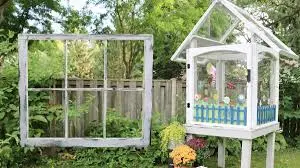
For many gardeners, the weeks before spring can feel frustrating. The days may be getting longer, but cold temperatures and late frosts often prevent planting early vegetables outdoors. However, with a simple gardening tool called a cold frame, you can start growing crops weeks before the official gardening season begins.
One of the easiest ways to build a cold frame is by using a recycled window. With just a few basic materials, an old window can be transformed into a small structure that traps heat and protects plants from cold weather—essentially creating a miniature greenhouse for your garden.
According to seasonal planting guides from the U.S. Department of Agriculture, cold frames can extend the growing season by four to six weeks, allowing gardeners to plant earlier and harvest sooner.
What Is a Mini Greenhouse Cold Frame?
A cold frame is a low, enclosed structure with a transparent top that allows sunlight to enter while trapping warmth inside.
Most cold frames are made of:
- a wooden or brick box placed on the ground
- a transparent lid made from glass or plastic
- soil or containers inside for planting
The transparent lid—often a reused window—captures sunlight and creates a warmer microclimate for plants.
Because the structure is small and simple, cold frames are often described as mini greenhouses. They work on the same principle as larger greenhouses but require far fewer materials and much less space.
Why an Old Window Works So Well
Recycled windows are perfect for cold frame construction because glass allows sunlight to pass through while helping retain heat.
During the day, sunlight warms the soil and air inside the frame. The glass lid then helps trap that warmth, preventing it from escaping quickly.
According to gardening research and growing guides from Cornell University Cooperative Extension, a properly positioned cold frame can be 10–20°F warmer than the outside temperature on sunny days.
This temperature difference can protect young plants from frost and allow seeds to germinate earlier in the season.
Using old windows also makes cold frame gardening extremely affordable. Many gardeners build entire cold frames from recycled materials at little or no cost.
How to Build a Simple Cold Frame From a Window
Building a cold frame is a simple DIY project that can often be completed in an afternoon.
To create a basic cold frame, you will need:
- an old window
- wooden boards or bricks
- screws or hinges
- basic tools
First, construct a rectangular box slightly smaller than the window frame so the window can sit securely on top.
The box is typically placed directly on garden soil so plants can grow in the ground beneath the frame.
Many gardeners build the back wall slightly higher than the front. This allows the window lid to tilt toward the sun, capturing more sunlight and allowing rainwater to run off.
Attaching hinges to the window makes it easy to open the lid for ventilation.
Choosing the Best Location
Where you place your cold frame can significantly affect how well it works.
Experts recommend positioning the structure where it receives maximum sunlight during late winter and early spring.
According to planting advice from the National Gardening Association, the best cold frame locations usually:
- face south or southeast
- receive at least six hours of sunlight daily
- are protected from strong winds
- have well-drained soil
Placing the cold frame near a wall or fence can also help retain warmth by blocking cold winds.
What Vegetables Grow Well in Cold Frames
Cold frames work best for vegetables that tolerate cooler temperatures.
These crops are often referred to as cool-season vegetables.
Common cold frame crops include:
- lettuce
- spinach
- kale
- arugula
- radishes
- green onions
- Swiss chard
According to planting calendars from the Old Farmer’s Almanac, many of these vegetables can be planted weeks before the last frost date when grown inside cold frames.
This means gardeners can begin harvesting fresh greens long before traditional outdoor gardens are ready.
Managing Temperature Inside the Frame
Although cold frames protect plants from cold weather, they can sometimes become too warm during sunny days.
If temperatures rise too high, plants may suffer heat stress.
Gardeners typically manage this by ventilating the cold frame—simply opening the window lid slightly during warmer parts of the day.
Closing the lid again in the evening helps trap heat overnight and protect plants from cold nighttime temperatures.
Monitoring the internal temperature is one of the most important parts of successful cold frame gardening.
Other Benefits of Cold Frames
Cold frames are not only useful in early spring. They can also extend the growing season later into autumn.
Gardeners often use them to:
- protect crops from early fall frosts
- harden off seedlings before transplanting
- grow winter greens in mild climates
Because they create a protected environment, cold frames can add several extra weeks of productive gardening time each year.
For small gardens and backyard growers, this can significantly increase food production.
The Bottom Line
A single recycled window can become a powerful gardening tool.
By turning an old window into a simple cold frame, gardeners can create a miniature greenhouse that captures sunlight, protects plants from frost, and extends the growing season by several weeks.
According to seasonal growing guidance from the U.S. Department of Agriculture, this simple technique allows gardeners to start planting earlier, harvest vegetables sooner, and make better use of the entire growing season.
For anyone interested in growing their own food, building a cold frame from a salvaged window may be one of the easiest and most affordable gardening upgrades available.