
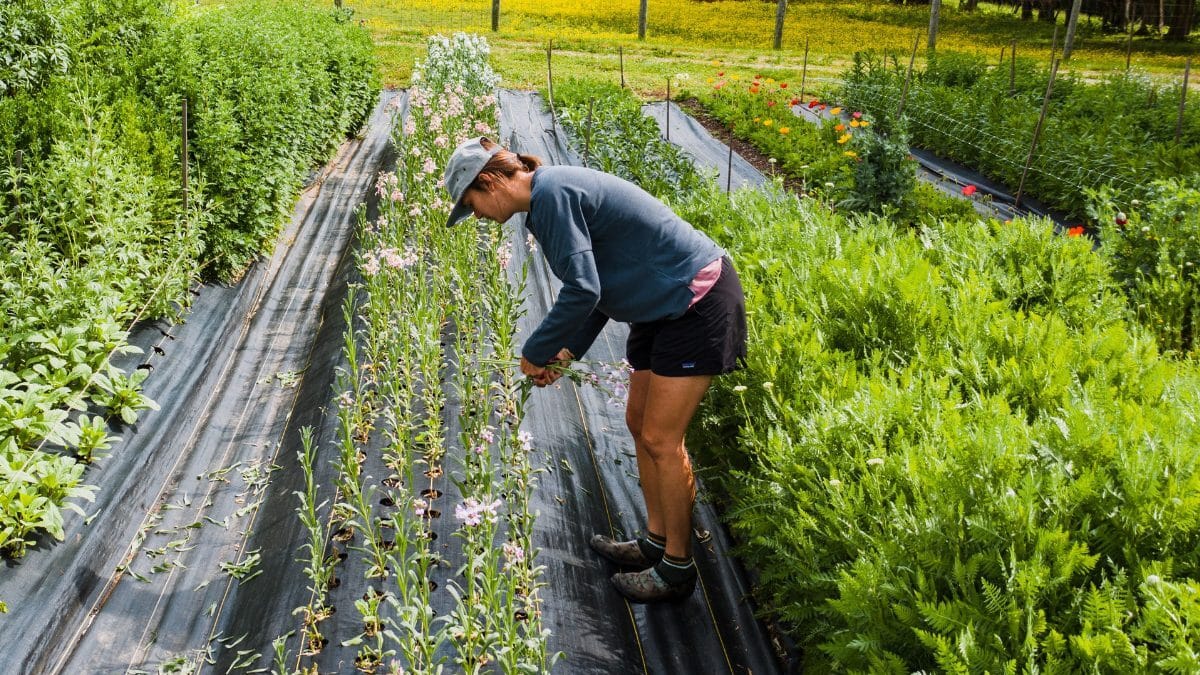
The gap between what a plot could produce and what it actually produces comes down almost entirely to how space is used in time as well as area. Traditional row planting uses a fraction of the available growing capacity. Four well-established intensive methods change that — without any additional equipment.
Quick Answer
The four methods: succession planting (using the same ground multiple times per season), interplanting (growing fast and slow crops together), vertical growing (using height instead of floor space), and wide-bed block spacing (eliminating wasted row gaps).
Biggest single gain: succession planting. WVU Extension identifies it as the method that most reliably maximises yield through strategic planting — a single bed can produce three harvests in one season.
Key requirement for all four methods: soil fertility must increase as planting density increases. Adding compost and refertilising between crops is not optional — it is what makes intensive growing sustainable.
According to Virginia Tech Extension’s intensive gardening guide, careful planning is essential for intensive methods — which rely on wide-row planting, succession planting, interplanting, and growing upward. The foundation of all these methods is the same: deep, fertile, well-drained soil. Nebraska Extension is explicit: any intensification of planting must be matched by intensification of soil management — more compost, more attention to moisture, and more monitoring.
The Four Methods That Actually Work
Succession Planting — Using Ground Twice or Three Times
WVU Extension defines three forms. The first: replace a harvested crop with the next season’s crop in the same space (spinach in spring → courgettes in summer → kale in autumn). The second: stagger planting the same crop every 2–3 weeks so harvest continues throughout the season rather than arriving all at once. The third: choose early, mid, and late varieties of the same crop — all planted at the same time, all maturing at different dates. A combination of all three approaches can keep a single bed in continuous production from March to November.
Interplanting — Fast and Slow Crops in the Same Space
Nebraska Extension gives the clearest practical example: plant radishes in a row of carrots. Radishes germinate in 3–5 days and mature in 25–30 days — they mark the slow-germinating carrot row, then are harvested before the carrots need the space. The same principle applies to lettuce planted between tomato transplants, producing multiple cuts before the tomatoes close the canopy, and to quick-maturing onions planted with Brussels sprouts that won’t need full space for months.
Vertical Growing — Height Instead of Floor Space
NC State Extension identifies vertical growing as especially suited to limited ground space. Pole beans yield 2–3 times more than bush varieties in the same footprint, producing continuously across the season. Indeterminate tomatoes, cucumbers, and climbing courgettes free the ground beneath for understorey crops. Position vertical structures on the north or east side of a bed and plant shade-tolerant crops — lettuce, spinach, parsley — in their shadow.
Wide-Bed Block Spacing — Eliminating Wasted Path Space
Virginia Tech Extension describes equidistant block spacing: instead of rows with large gaps between them (designed for machinery), plants are spaced equally in all directions at the recommended per-plant spacing. A bed of carrots at 3 inches spacing in both x and y directions holds significantly more plants than the same area in traditional rows. Stagger alternate rows so each plant sits between two in the adjacent row. This pattern also shades the soil between plants, suppressing weeds and reducing moisture loss.
Practical Interplanting Combinations
| Fast Crop (harvest first) | Slow Crop (fills space after) | Method | How It Works |
|---|---|---|---|
| Radishes (25–30 days) | Carrots (70–80 days) | Interplant | Radishes mark slow-germinating carrot row; harvested before carrots need space |
| Lettuce (35–45 days) | Tomatoes (indeterminate) | Interplant | Multiple lettuce harvests before tomatoes close the canopy |
| Spinach (spring) | Courgettes or French beans (summer) | Succession | Spinach cleared by late May; warm-season crop transplanted into same ground |
| Spring onions (60 days) | Kale or chard (autumn) | Succession | Spring onions pulled by July; kale transplanted for autumn harvest |
| Peas (sown in March) | French beans (sown June) | Succession | Peas finished by July; beans sown into same bed for autumn harvest |
✗ What Undermines Intensive Growing
- Not replenishing fertility between crops— intensive planting depletes nutrients faster than traditional rows. Virginia Tech Extension is explicit: incorporate additional fertiliser before each new crop in the same bed
- Planting too densely without improving air circulation— dense plantings reduce airflow and create conditions for fungal disease. Monitor closely; thin where plants touch
- Using traditional row spacing for intensive beds— row spacing in seed packets and guides is set for access and machinery. For intensive beds, use the per-plant spacing in all directions, not the row spacing
- Not planning before sowing— interplanting requires knowing days-to-maturity for both crops before committing the space. Planting without this information creates clashes rather than sequences
Plan This Week
- Map each bed with its spring crop and planned follow-on
- Identify fast crops to fill gaps between slow-maturing transplants
- Assign vertical supports before sowing — not after
- Check days-to-maturity for every interplanting pair
Each Harvest
- Remove spent crop immediately; do not leave it in the ground
- Fork in compost or add balanced fertiliser before replanting
- Replant within 1–2 weeks to keep ground productive
- Note what worked and what clashed for next year’s plan