
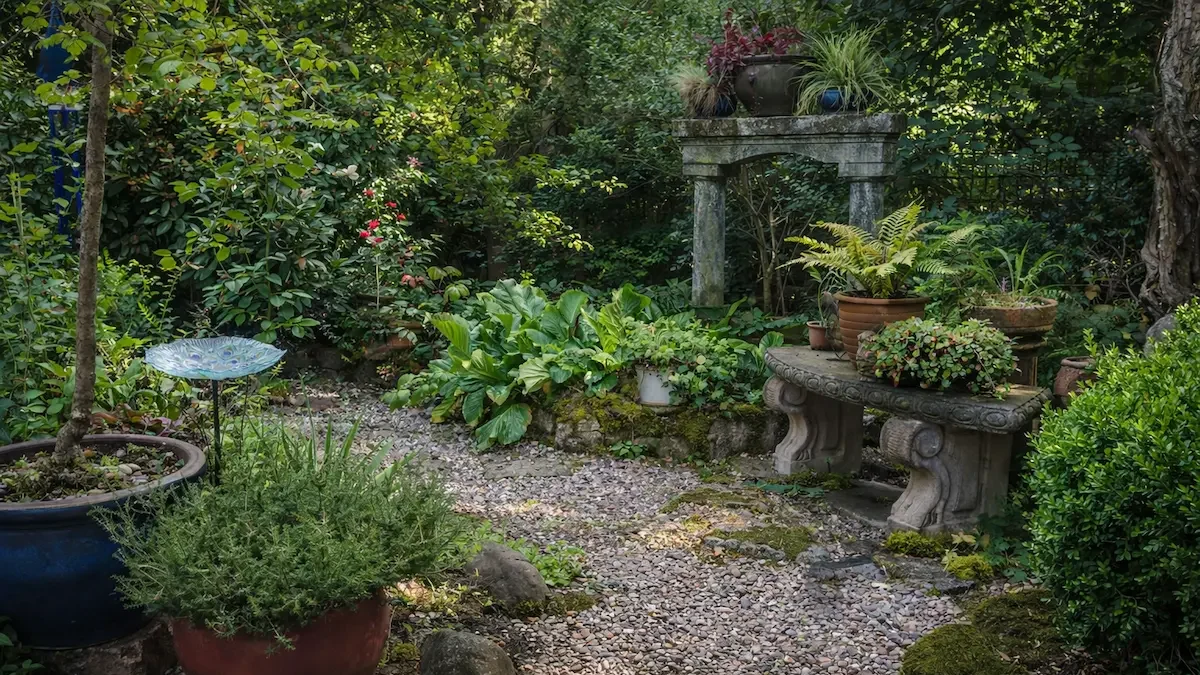
A north-facing garden is not a failed garden — it is a different one. The mistake most growers make is trying to grow the same crops they would in a sunny plot and expecting the same results. Adjust the crop list and a north-facing space can be productive, often more so than a south-facing one in high summer.
Quick Answer
The single most useful rule: vegetables grown for their leaves, stems, or roots tolerate shade. Vegetables grown for their fruit do not. Lettuce, spinach, kale, chard, rocket, beetroot, carrots, radishes, parsley, mint, and chives will all produce in a north-facing garden. Tomatoes, courgettes, peppers, cucumbers, and squash will not — they need 6–8 hours of direct sun to fruit reliably.
How much light does a north-facing garden actually get? A garden that is shaded for most of the morning but receives 2–4 hours of afternoon sun is usable for a wide range of crops. A garden in full shade all day — receiving less than 2 hours of indirect light — is genuinely limited. Spend a day observing and measuring before deciding what to plant.
The unexpected advantage: shade extends the harvest window for cool-season crops. Lettuce and spinach that bolt within weeks in a south-facing bed in June will continue producing for another month or more in a north-facing one.
According to NC State Extension’s vegetable gardening guide, vegetables that produce edible stems and leaves — broccoli, cabbage, kale, lettuce, parsley, spinach — as well as those that produce edible roots — beetroot, carrots, radishes, turnips — are more tolerant of shade. Plants that flower and set fruit — aubergines, melons, peppers, tomatoes — require full sun. The reason is photosynthetic demand: fruiting requires far more energy than leaf or root production, and that energy must come from direct sunlight. Missouri University Extension adds that shade gardens also present specific management challenges — poor air circulation means foliage stays wet longer, which increases disease risk, and shaded soil often warms later in spring, delaying germination.
What to Grow — and What to Avoid
| Crop | Suitability | Notes |
|---|---|---|
| Lettuce, rocket, endive | Good | Often better in partial shade — bolts more slowly in summer, leaves stay tender |
| Spinach, chard, kale | Good | Productive in 3–4 hours of light; kale is one of the most shade-tolerant brassicas |
| Radishes, turnips | Good | Fast-maturing root crops; shade slows growth slightly but quality remains good |
| Beetroot, carrots | Moderate | Will crop but roots may be smaller; need at least 3–4 hours direct light |
| Peas, broad beans | Moderate | Tolerate light shade; yields reduced but acceptable in 3–5 hours of sun |
| Currants, gooseberries | Good | Fruits of the woodland edge — genuinely shade-tolerant; crop well under trees |
| Mint, chives, parsley | Good | Productive herbs for shaded spots; mint in full shade can be contained in the ground without spreading |
| Tomatoes, courgettes, peppers | Not suitable | Need 6–8 hours direct sun to produce fruit; do not plant in a north-facing bed |
| Cucumbers, squash, melons | Not suitable | Require high light and warmth; yield collapses below 5 hours of direct sun |
Practical Ways to Increase Light in a North-Facing Space
Several adjustments can meaningfully increase the light a north-facing plot receives. Painting walls and fences white or fitting reflective sheeting bounces ambient light back onto the growing area — effective and inexpensive. Removing overhanging branches improves both light and air circulation. Raising beds helps too: raised surfaces in a shaded garden warm up faster in spring, extending the season at both ends. Vertical growing — trellises and bean frames — lifts crops above a fence’s shadow line into sunnier air. Runner beans started in a sunny spot and trained onto a north-facing frame will produce well once the top of the plant reaches better light.
What to Do
- Observe before you plant— spend a clear day in spring noting which parts of the garden receive direct sun and for how long. Mark the sunniest corner: even a north-facing garden usually has one spot that gets more light than the rest
- Build the crop list around leaves and roots, not fruit— lettuce, spinach, kale, chard, rocket, radishes, beetroot, and parsley are the core of a productive north-facing kitchen garden
- Use the shade advantage for cool-season crops in summer— north-facing beds extend the harvest window for lettuce, spinach, and rocket by weeks compared to south-facing equivalents; plan a full summer succession of cut-and-come-again leaves
- Reflect more light onto the beds— white-painted walls, pale gravel paths, or reflective film fitted to fences all increase the effective light reaching plants without any relocation
- Space plants further apart than in a sunny bed— Missouri University Extension notes that reduced air circulation in shaded gardens increases disease risk; extra spacing helps compensate
- Plant gooseberries and currants as permanent fruit— these are genuinely woodland-edge crops that tolerate and sometimes prefer partial shade; they will produce reliably in a north-facing space where soft fruit like strawberries would struggle
Common Mistakes
- Planting tomatoes, courgettes, or cucumbers in a north-facing bed— these will grow but will not fruit reliably without 6+ hours of direct sun; the effort is wasted
- Assuming all shade is equal— a garden that receives dappled light through a canopy all day is very different from one in the shadow of a north-facing brick wall. Dappled light supports a much wider range of crops
- Overwatering in shade— shaded soil evaporates moisture more slowly than sunny soil; the watering frequency that works in a south-facing bed will cause overwatering and root problems in a north-facing one
This Week
- Observe and time direct sun on the plot on a clear day
- Identify the sunniest corner for any borderline crops
- Sow lettuce, rocket, spinach, and radishes — all productive in shade
- Plan reflective surface improvements to walls or fences
This Season
- Establish gooseberries or currants as permanent fruit for the shade
- Set up a succession of cut-and-come-again leaves every 3 weeks
- Train any climbing crops upward on tall frames into better light
- Reduce watering frequency vs a sunny bed — shade holds moisture longer