
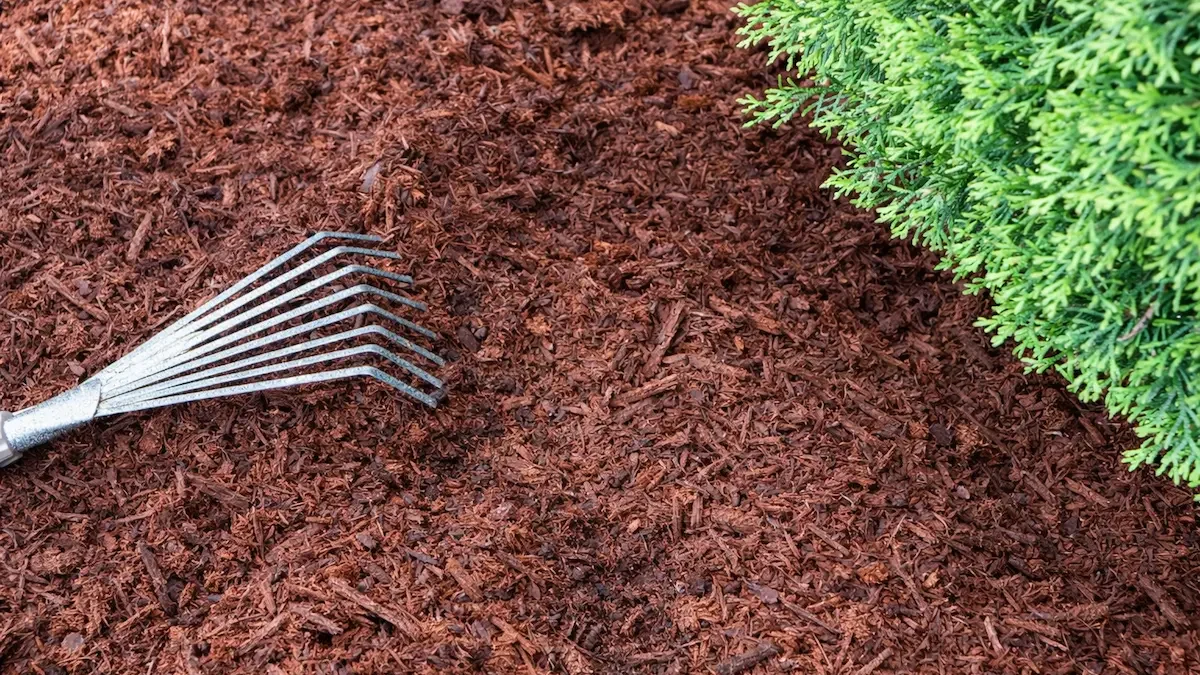
Mulch is one of the most useful tools in the garden. It suppresses weeds, protects soil structure, and helps retain moisture during hot summer months. But applying mulch too early in spring can actually delay planting by keeping the soil colder for longer.
Many gardeners spread mulch as soon as snow melts or beds become visible again. However, soil temperatures in early spring often remain below the levels needed for seed germination and root growth. According to soil management guidance from Purdue Extension mulch acts as an insulating layer, slowing the warming of soil during the early part of the season.
For gardeners in USDA Zones 4–8, timing mulch correctly can make the difference between early planting success and soil that stays cold for weeks.
Quick Answer
Mulch should be applied after soil warms, not immediately when spring arrives.
General guideline:
• Wait until soil temperatures reach 50–55°F for cool-season crops
• Wait until 60°F+ before mulching warm-season beds
• Remove winter mulch temporarily in March to allow soil warming
• Reapply mulch once seedlings are established
Applying mulch too early can delay germination and slow root development.
Why Mulch Slows Soil Warming
Mulch works by insulating soil from external temperature changes. While this is beneficial during summer heat, it also prevents sunlight from warming soil in early spring.
Bare soil absorbs sunlight and warms faster. Mulched soil warms slowly because the organic material blocks direct sunlight.
Research from Cornell Cooperative Extension shows that heavy organic mulch can keep soil temperatures 3–8°F cooler during early spring.
For cold-climate gardeners trying to plant early vegetables, that temperature difference can delay planting by one or two weeks.
When to Remove Winter Mulch
Many gardeners leave mulch on beds during winter to protect soil from erosion and freezing.
In late March or early April, winter mulch should often be pulled back temporarily.
This allows sunlight to reach the soil surface and speeds up warming.
According to vegetable production guidelines from Penn State Extensio removing mulch early in the season can help soil reach planting temperatures sooner, especially in raised beds.
Once soil temperatures stabilize above 50°F, mulch can be returned around plants.
Best Time to Apply Mulch in Spring
The best moment to mulch is after plants are already growing.
Apply mulch when:
• seedlings have developed 2–3 true leaves
• soil temperatures remain consistently above 55–60°F
• weeds have been removed from the bed
At this stage, mulch helps maintain soil moisture and prevents weeds without slowing plant growth.
Best Mulch Types for Spring Gardens
Different mulch materials affect soil temperature differently.
Some materials warm soil faster, while others provide stronger insulation.
Common spring mulch choices include:
Straw
Lightweight and airy. Allows some sunlight penetration while suppressing weeds.
Shredded leaves
Readily available and good for moisture retention.
Compost
Adds nutrients while acting as a light mulch layer.
Research from University of Minnesota Extension notes that lighter mulches warm faster than thick wood chips or bark.
When Mulch Is Especially Helpful
Mulch becomes extremely beneficial once temperatures rise later in spring.
It helps:
• retain soil moisture during warm weather
• prevent weed germination
• stabilize soil temperature
• protect soil biology and earthworms
Vegetable crops such as tomatoes, peppers, squash, and cucumbers benefit greatly from mulching once the soil has warmed sufficiently.
What NOT to Do
❌ Applying thick mulch immediately after snow melts
This traps cold soil temperatures.
❌ Using heavy wood chips early in vegetable beds
These insulate soil too strongly during early spring.
❌ Mulching before seeds germinate
Seeds require warm soil to sprout successfully.
❌ Leaving winter mulch packed tightly against seedlings
This can trap moisture and promote fungal problems.
Early Spring Mulching Checklist
- Check soil temperature with a soil thermometer
- Pull back winter mulch in late March or early April
- Allow soil to warm before planting
- Apply mulch only after seedlings establish
- Use lighter materials such as straw or compost
Following these steps allows gardeners to enjoy the benefits of mulch without slowing early-season planting.
Bottom Line
Mulch is essential for maintaining healthy soil, but timing matters in early spring. Applying mulch too early can slow soil warming and delay vegetable planting.
For gardeners in USDA Zones 4–8, temporarily removing winter mulch in early spring and reapplying it once plants establish helps balance soil warmth, moisture retention, and weed control.
With the right timing, mulch supports strong plant growth throughout the growing season without interfering with early planting windows.