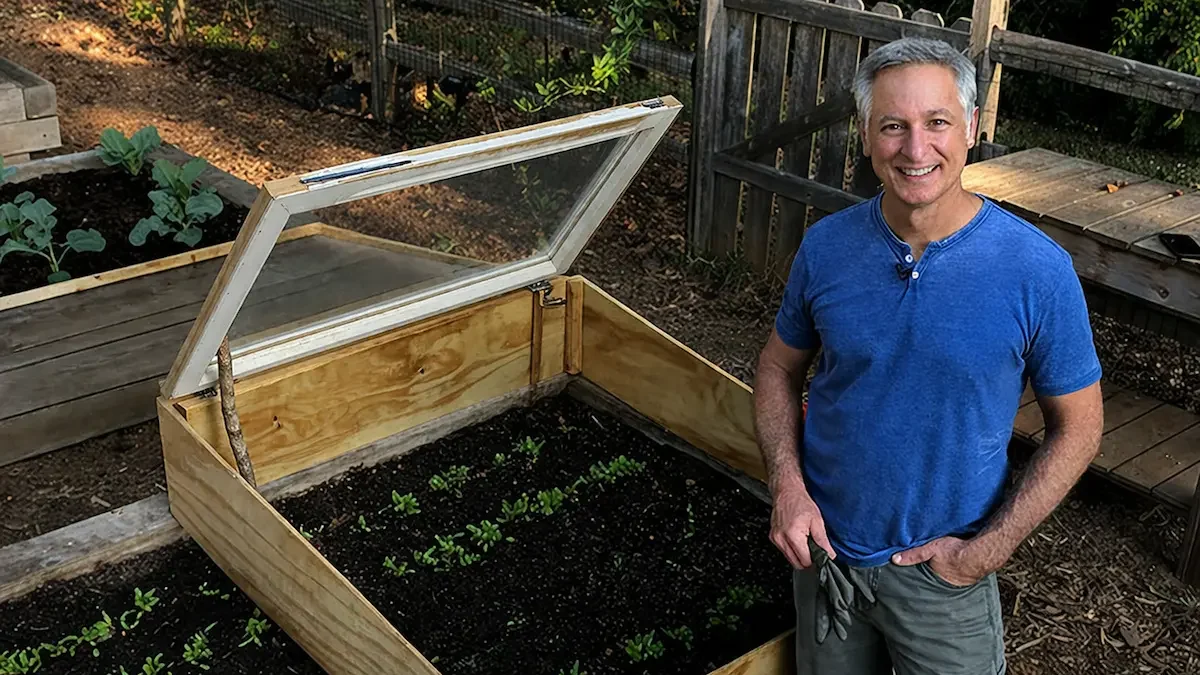
Seedlings Indoors vs Outdoors in Early Spring: What to Start Now in USDA Zones 4–8

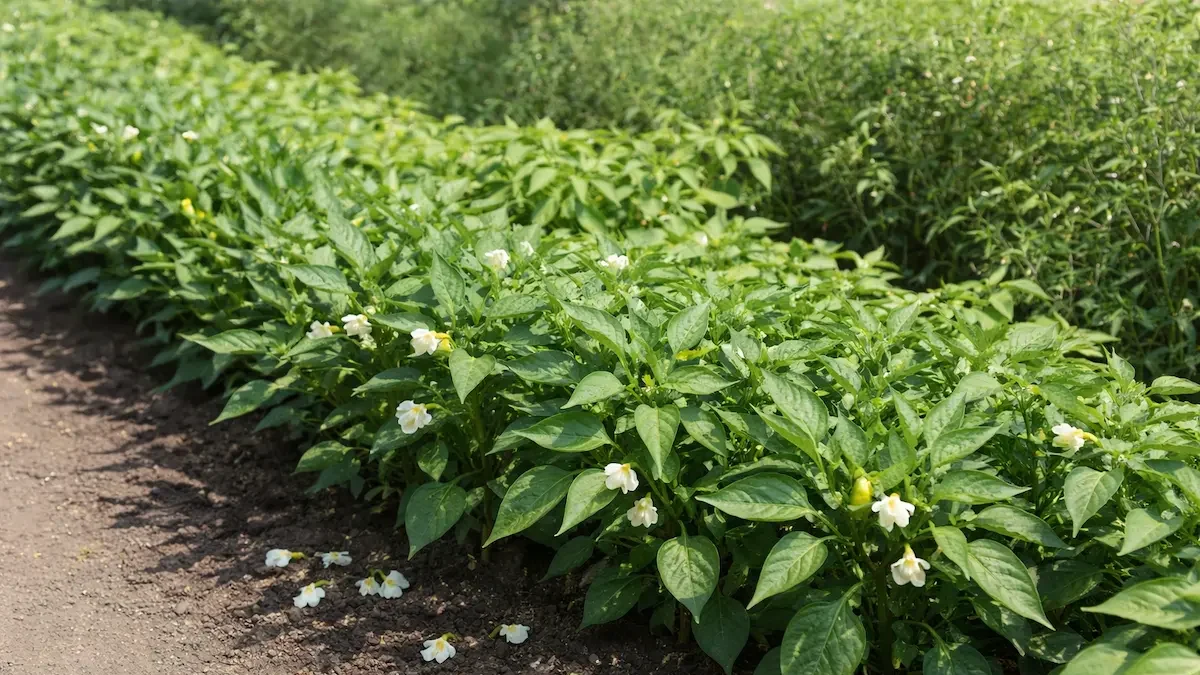
A mild afternoon means nothing if the soil is still cold, wet, and slow. Iowa State Extension notes that cool-season vegetables that are direct-sown can go in once soil temperatures reach about 50°F, and it explicitly warns not to work garden soil when it is overly wet. That matters because early spring failures are often … Read more

Slug Prevention Before Spring Planting: 4 Methods Ranked by Cost (Zones 4–8)

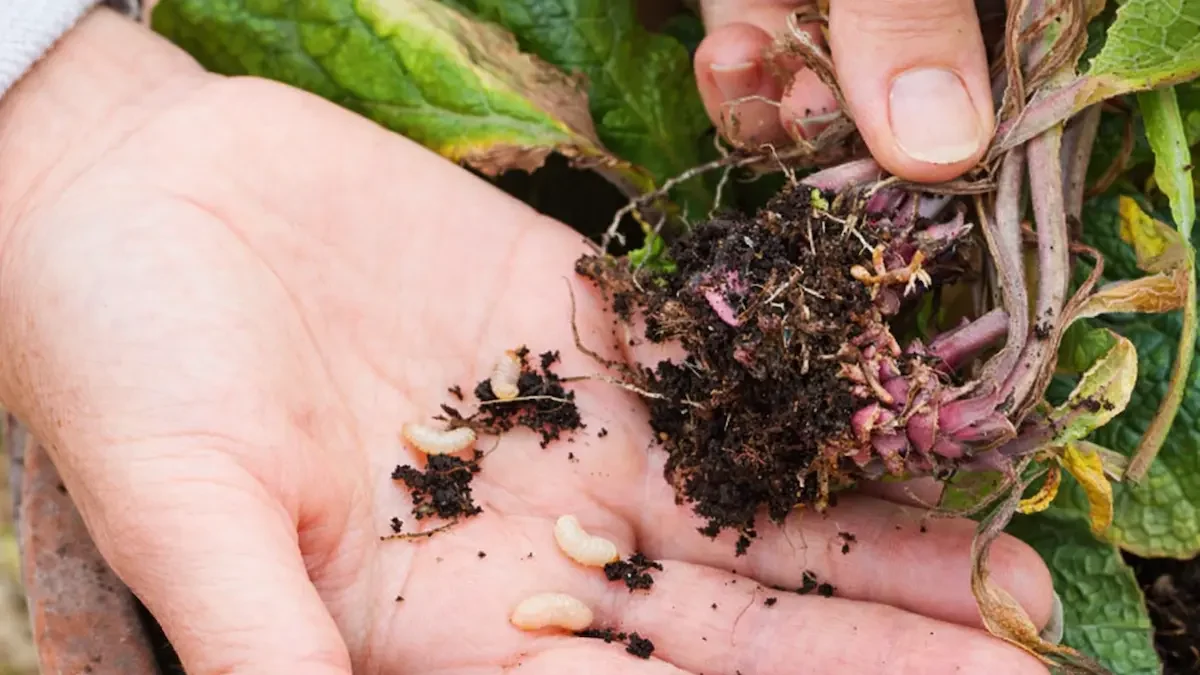
Soil temperatures in the Northeast and Midwest crossed 40°F this week. That is the threshold at which overwintered slug eggs begin hatching — weeks before most gardeners start thinking about pest control. According to the Oregon State University Extension Service, slug eggs laid in fall overwinter in the soil and hatch rapidly once spring moisture … Read more

How to Support Peas: 3 Trellis Methods Ranked by Yield and Wind Resistance (Zones 4–8)

Unsupported peas lose 30–40% of harvestable pods to ground rot and pest damage. Here are three proven support methods, ranked by performance, with setup instructions for March and April planting. Pea tendrils begin reaching for support within 10–14 days of emergence. Without a structure in place at sowing time, vines collapse under their own weight … Read more

Stunted Sunflowers: 5 Causes of Short Plants and Small Heads

Giant sunflower varieties that top out at 3–4 feet instead of 8–12 are not defective. Something went wrong during establishment — and in most cases, it happened in the first 3 weeks after planting. Every season, gardeners who planted mammoth or giant sunflower seed expect towering 8- to 12-foot stalks with dinner plate-sized heads. Instead, … Read more