Overwintered Garlic in March: 3 Signs of Trouble to Check This Week

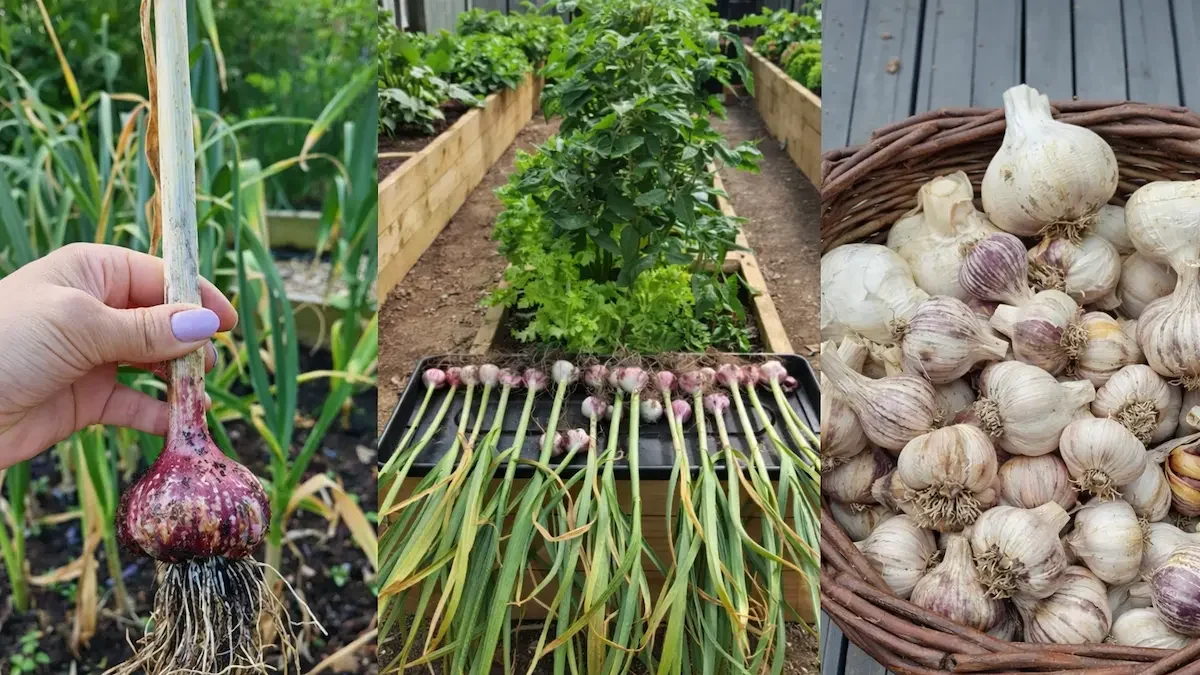
Fall-planted garlic across Zones 5–7 is emerging now. Three problems — frost heaving, yellow foliage, and bulb rot — are easiest to catch and fix in the next 7–10 days. After that, the damage compounds. Garlic planted last fall is breaking dormancy across USDA Zones 5 through 7 as soil temperatures climb above 40°F. According … Read more

Seedlings Indoors vs Outdoors in Early Spring: What to Start Now in USDA Zones 4–8

A mild afternoon means nothing if the soil is still cold, wet, and slow. Iowa State Extension notes that cool-season vegetables that are direct-sown can go in once soil temperatures reach about 50°F, and it explicitly warns not to work garden soil when it is overly wet. That matters because early spring failures are often … Read more

Slug Prevention Before Spring Planting: 4 Methods Ranked by Cost (Zones 4–8)

Soil temperatures in the Northeast and Midwest crossed 40°F this week. That is the threshold at which overwintered slug eggs begin hatching — weeks before most gardeners start thinking about pest control. According to the Oregon State University Extension Service, slug eggs laid in fall overwinter in the soil and hatch rapidly once spring moisture … Read more

Why Early Spring Soil Preparation Matters More Than Fertilizing Later

Fertiliser delivers nutrients. Soil structure determines whether plants can access them. Applying fertiliser to poorly structured, compacted, or low-organic-matter soil is not wasted entirely — but much of the benefit is. Getting the soil right in spring, before anything is sown, creates the conditions that make everything that follows work. Quick Answer Why preparation beats … Read more

Composting at Home: Turn Kitchen Waste Into Nutrient-Rich Garden Soil

Many households throw away food scraps every day without realizing that these materials can become a valuable resource for the garden. Composting is a simple process that transforms organic waste—such as vegetable peels, coffee grounds, and yard trimmings—into nutrient-rich soil known as compost. For home gardeners, compost is one of the best natural fertilizers available. … Read more

Simple Ways to Preserve Your First Spring Harvest Naturally

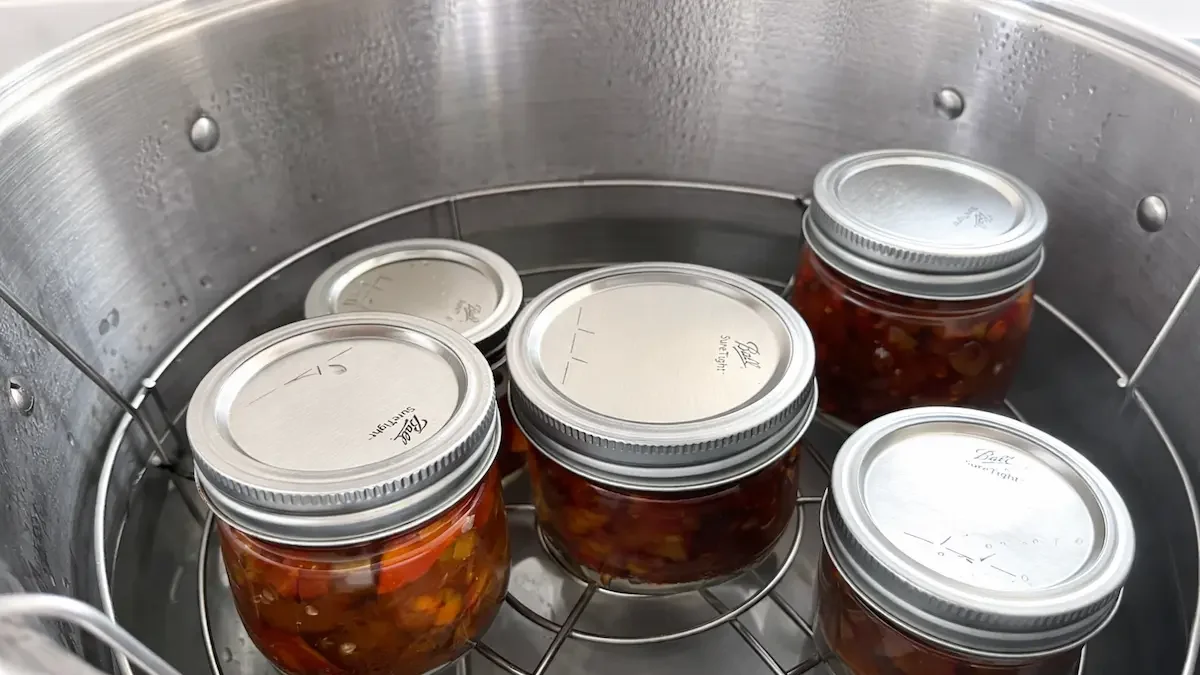
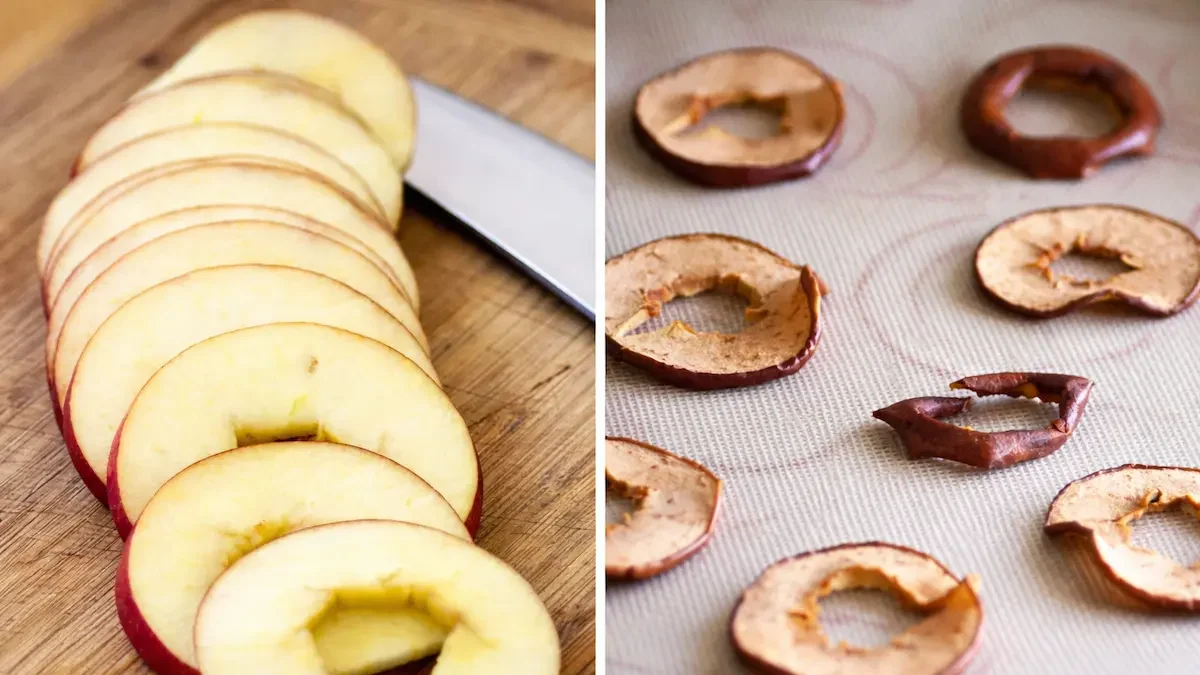
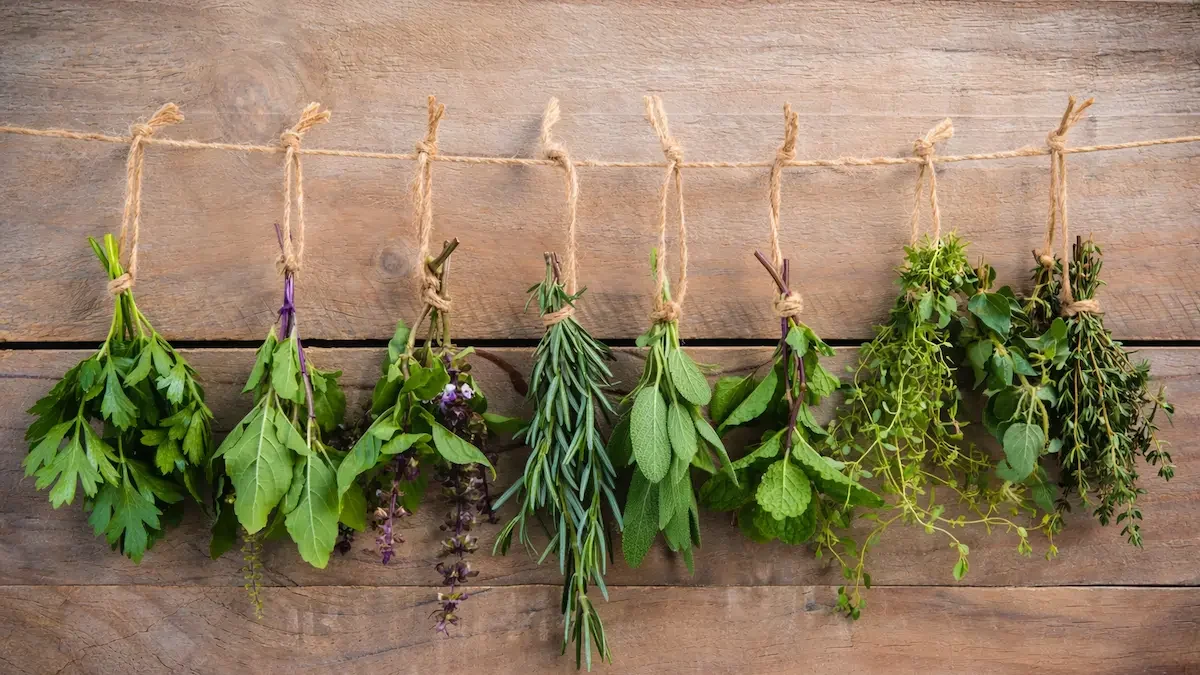
The first harvests of spring — radishes, lettuce, spinach, spring onions, early peas — are brief and often more abundant than you can eat fresh. These four methods require no specialist equipment and no electricity. They are how gardeners have extended the spring glut for centuries. Quick Answer Best method for most spring crops: lacto-fermentation for … Read more