How to Store Fresh Vegetables at Home Without Losing Flavour or Nutrients

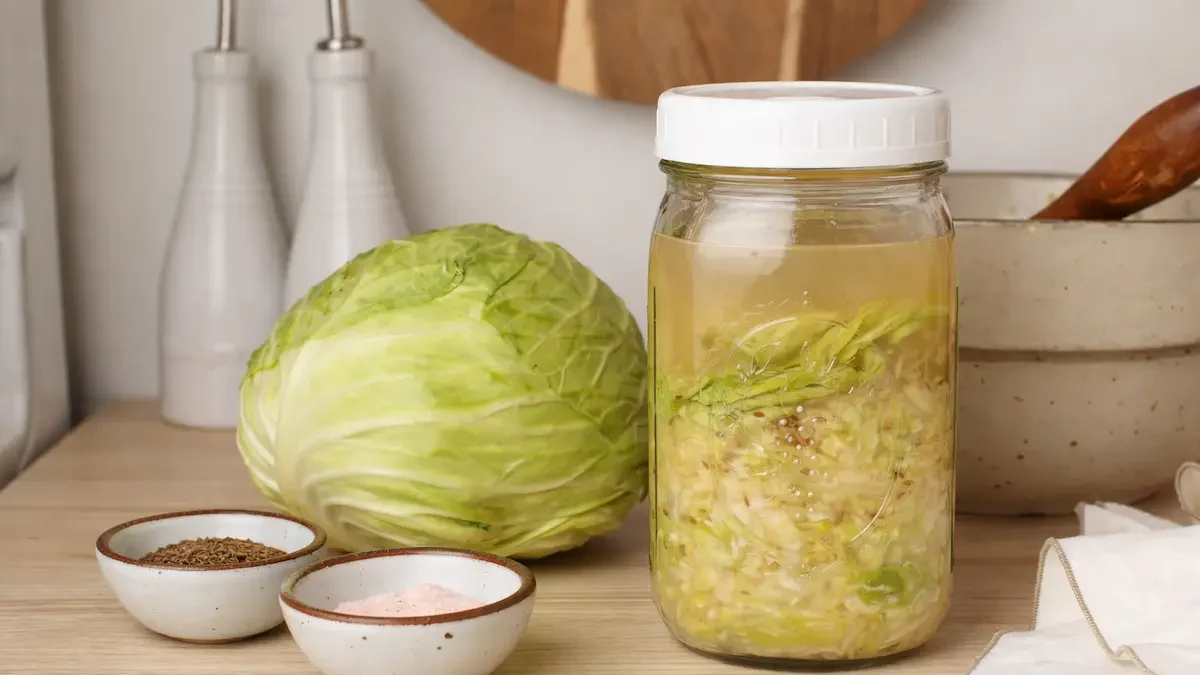
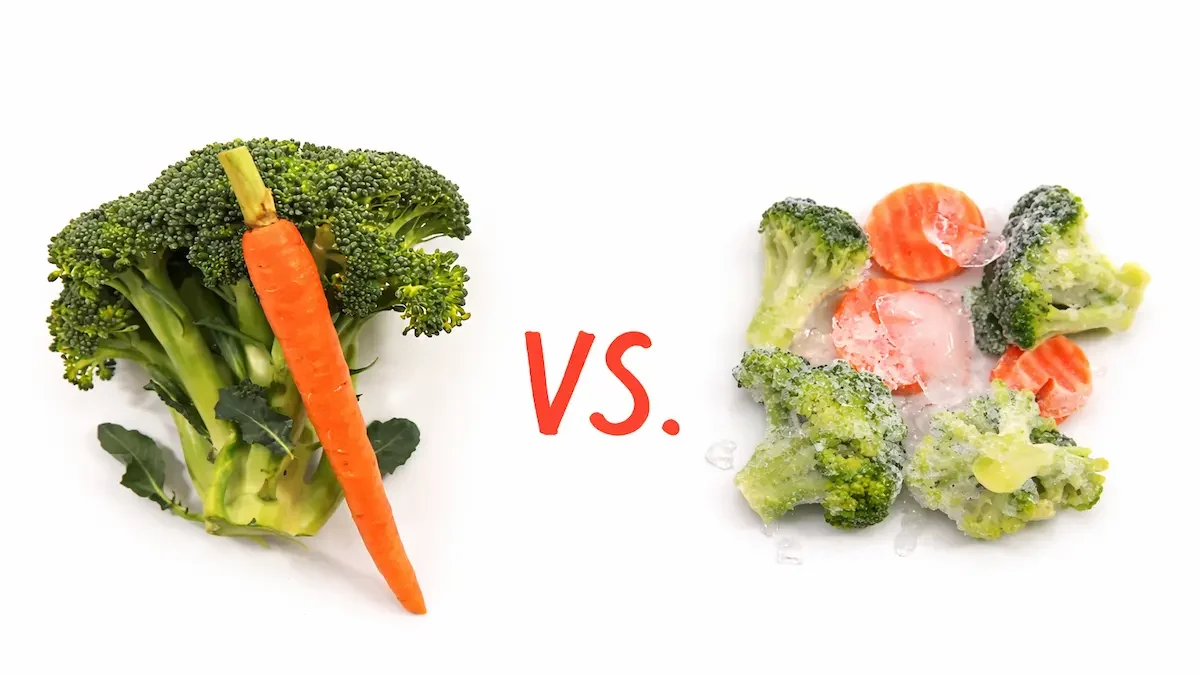
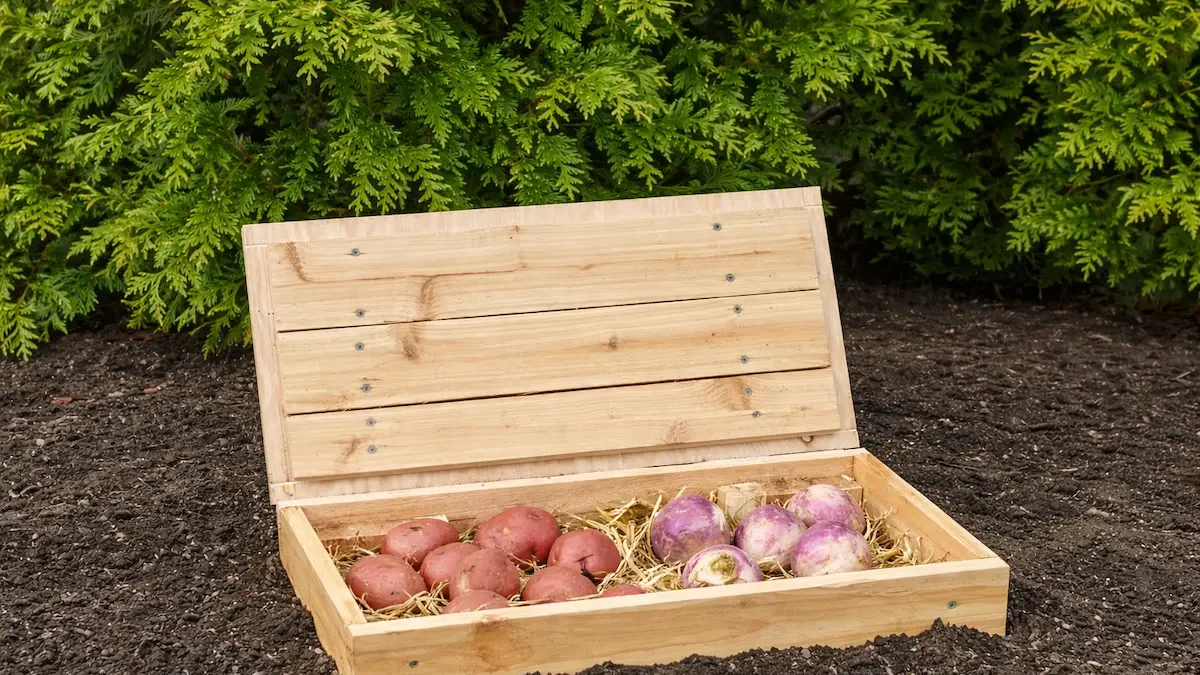
Most vegetable storage mistakes come down to three things: wrong temperature, wrong humidity, and ethylene gas from nearby fruit. Get all three right and your vegetables last two to four times longer — without losing the flavour or nutritional value you grew or bought them for. Quick Answer Most vegetables: refrigerator crisper drawer set to high humidity, … Read more

Spring Garden Spacing Guide: Why Overcrowding Reduces Your Harvest — and What to Do About It

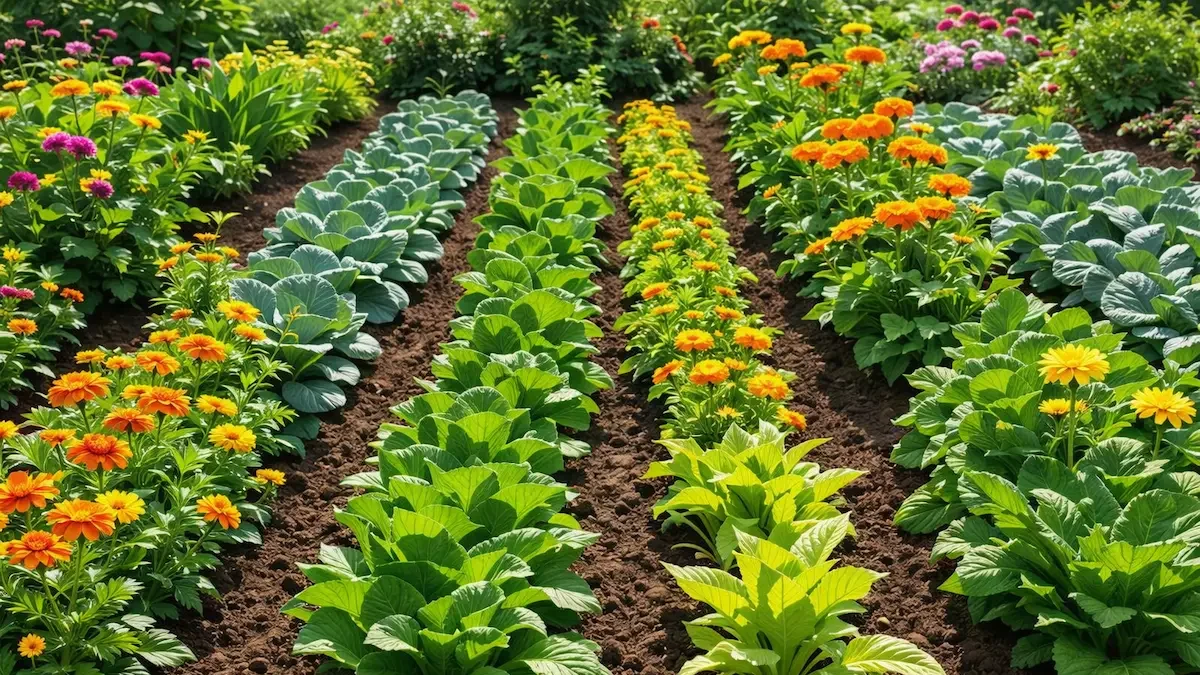
Squeezing in extra plants doesn’t increase yield — it splits it among plants that can’t develop properly. The most common spring gardening mistake costs you more harvest than any pest or disease. Here’s how to fix it before seeds go in. Quick Answer The rule: at full maturity, leaf tips of adjacent plants should just barely … Read more

Cold Soil Problems: Why Some Seeds Germinate Slowly in April — and What’s Actually Happening Underground

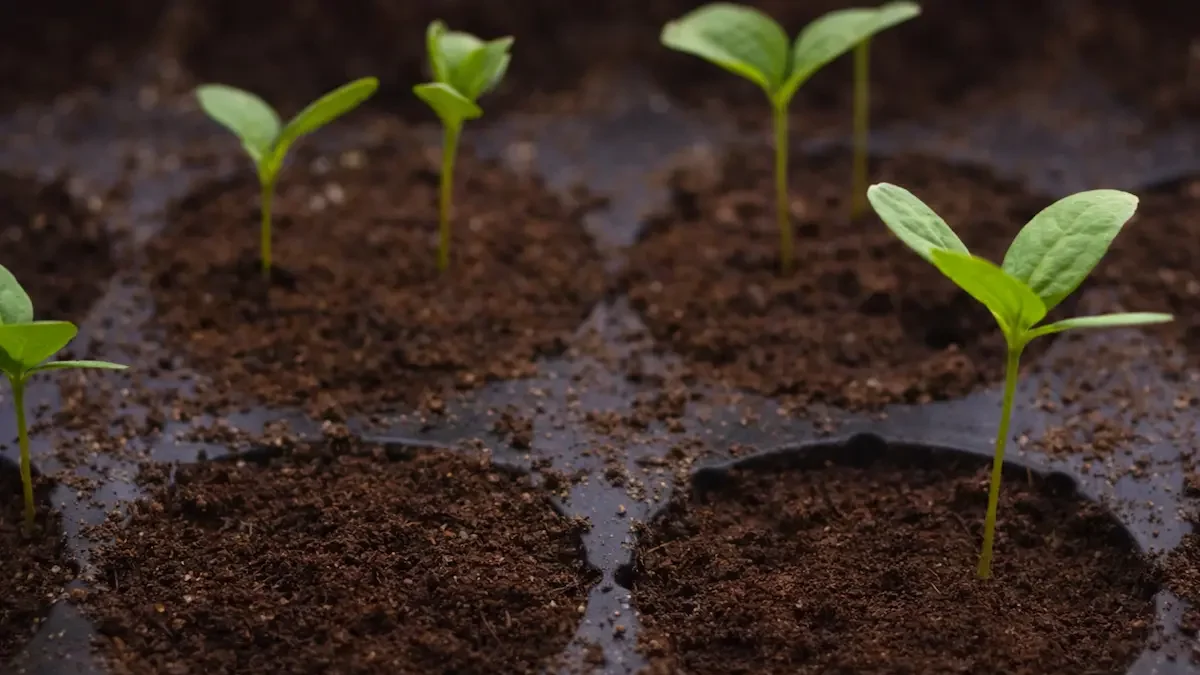
Seeds in cold soil don’t just wait patiently until it warms up. Below their minimum threshold, they sit exposed to soil pathogens for weeks — and many rot before they ever sprout. The fix is simple once you understand the difference between minimum and optimum germination temperatures. Quick Answer The problem: a seed at minimum germination … Read more

The Hidden Danger of Overwatering Seedlings in Cool Weather: How Damping Off Kills Entire Trays

Damping off looks like poor germination. By the time you realise it isn’t, the whole tray is gone. There is no cure once it takes hold — but it is almost entirely preventable with three straightforward changes to how you water and where you grow. Quick Answer What it is: a soil-borne disease caused by Pythium, … Read more

Early Spring Fertilising: Which Vegetables Actually Need Nutrients First — and What to Give Them

Most spring fertilising advice treats all vegetables the same. They aren’t. Leafy greens need nitrogen now. Root crops need phosphorus at sowing, not nitrogen. Tomatoes and squash need nothing yet — and giving them fertiliser in early spring actively slows them down. Quick Answer Feed now: leafy greens (lettuce, spinach, kale, chard) — nitrogen-rich fertiliser as … Read more

Why Seedlings Become Leggy Indoors: 5 Fixes Before Transplanting (Zones 4–8)

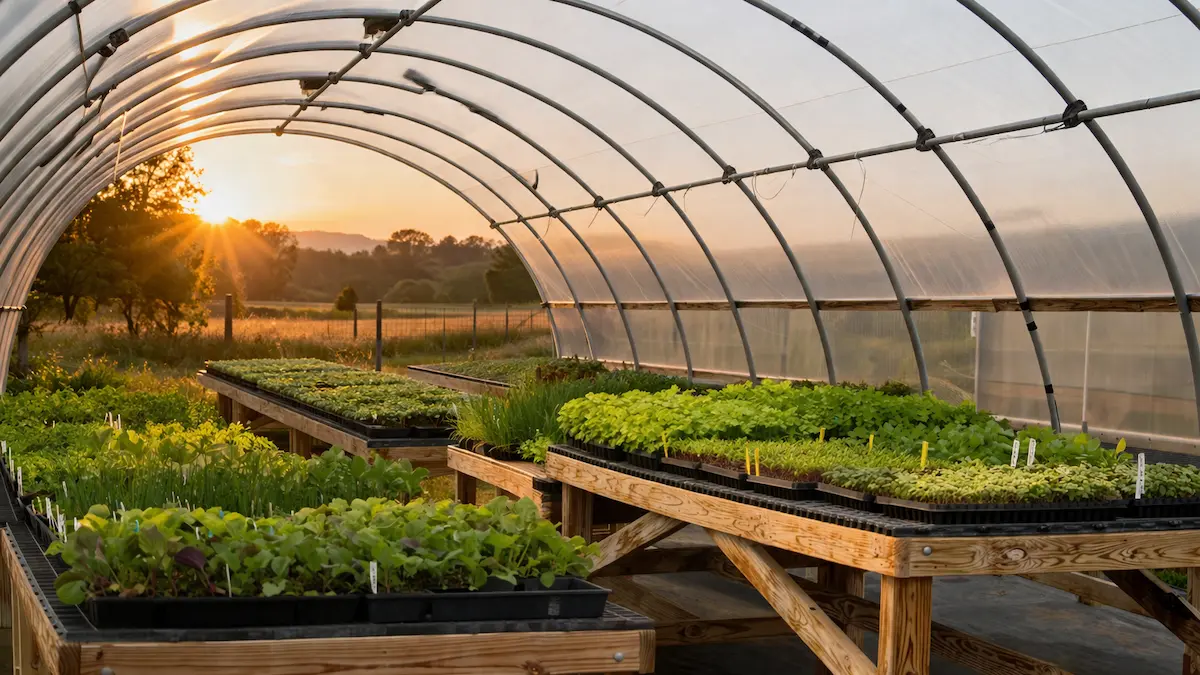
Every March and early April, gardeners across USDA Zones 4–8 notice the same problem on their seed-starting shelves: tomato, pepper, and brassica seedlings suddenly stretch into tall, thin stems that collapse when touched. The plants look green and alive—but they are structurally weak. This condition is called leggy growth, and it almost always occurs in … Read more

How Wind Damages Young Plants: Protecting Early Garden Transplants

Most gardeners worry about frost. Wind quietly does more damage. It desiccates roots before they establish, sandblasts leaf cells, and raises moisture demand faster than young roots can meet it. Here’s what wind Quick Answer What wind does: accelerates moisture loss from leaves faster than roots can replace it; sandblasts leaf and stem cells with soil … Read more

How to Support Peas: 3 Trellis Methods Ranked by Yield and Wind Resistance (Zones 4–8)

Unsupported peas lose 30–40% of harvestable pods to ground rot and pest damage. Here are three proven support methods, ranked by performance, with setup instructions for March and April planting. Pea tendrils begin reaching for support within 10–14 days of emergence. Without a structure in place at sowing time, vines collapse under their own weight … Read more