
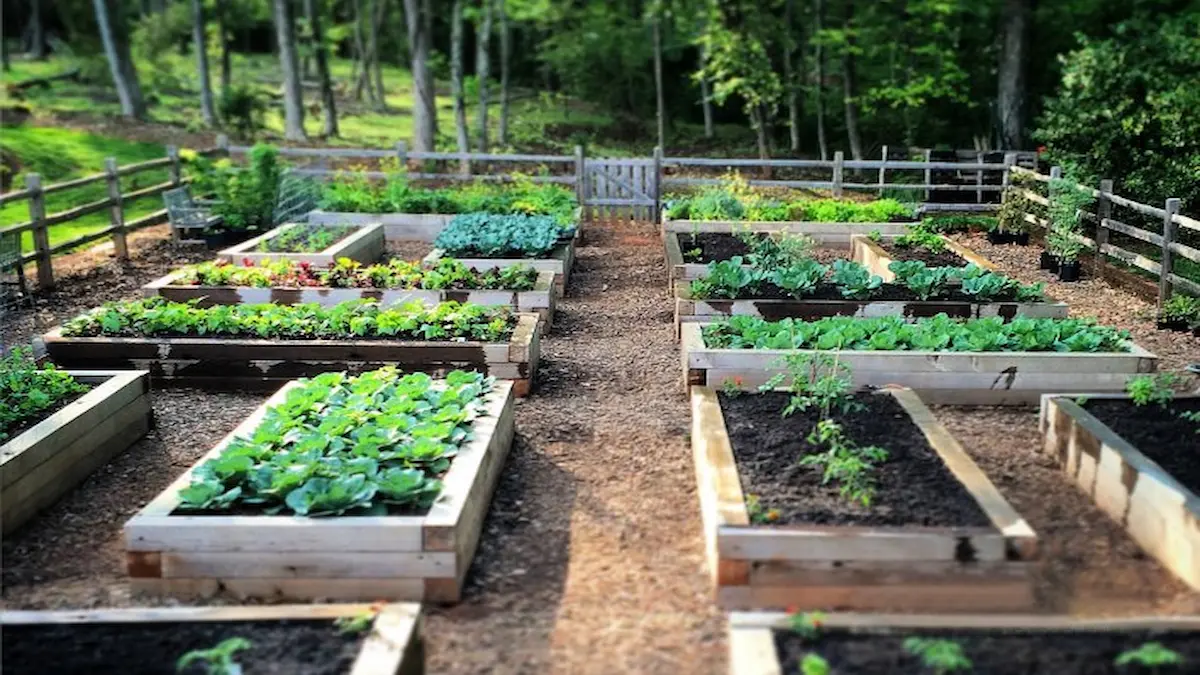
For many beginner gardeners, limited space can make growing vegetables seem challenging. Small backyards, patios, or urban environments often do not leave enough room for traditional garden rows. Fortunately, raised bed gardening offers a practical solution. By growing vegetables in elevated garden boxes, gardeners can improve soil quality, reduce weeds, and grow more food in a smaller space.
Raised beds have become increasingly popular among home gardeners because they are easy to build, simple to maintain, and highly productive. According to gardening resources from the U.S. Department of Agriculture, raised beds can improve soil conditions and help gardeners manage water and nutrients more efficiently.
What Is a Raised Bed Garden
A raised bed garden is a planting area where soil is elevated above ground level and contained within a frame. These frames are often built from wood, bricks, metal, or stone.
Unlike traditional gardens where plants grow directly in the ground, raised beds allow gardeners to control the soil mixture. This is especially useful in areas where natural soil may be compacted, rocky, or low in nutrients.
Because the soil is loose and well-structured, plant roots can grow more easily and water drains more effectively. Gardening experts from the National Gardening Association note that raised beds can significantly improve growing conditions for vegetables and herbs.
Why Raised Beds Are Ideal for Beginners
Raised beds offer several advantages that make them ideal for beginner gardeners.
One of the biggest benefits is improved soil quality. Gardeners can fill the beds with a balanced mix of garden soil, compost, and organic material. This provides plants with nutrients and creates a healthy environment for root growth.
Raised beds also warm up faster in spring compared with traditional garden soil. Warmer soil allows seeds to germinate earlier and helps extend the growing season.
Another advantage is easier maintenance. Because raised beds have defined borders, weeds are easier to control and plants are easier to organize.
According to planting guides from Cornell University Cooperative Extension, raised beds also reduce soil compaction because gardeners do not walk on the planting area.
Choosing the Right Location
Location is one of the most important factors when planning a raised bed garden.
Most vegetables require at least six hours of direct sunlight per day, so the garden bed should be placed in a sunny area whenever possible.
South-facing areas usually receive the most sunlight throughout the day. The location should also have good drainage so water does not collect around the bed.
Access to water is another important consideration. Beds located near a hose or irrigation system make watering easier during warm weather.
Guidance from the Old Farmer’s Almanac gardening resources suggests that choosing the right location can greatly improve vegetable production.
Building a Simple Raised Bed
Raised beds are relatively simple to build and can often be constructed in a few hours.
Wooden boards are commonly used because they are affordable and easy to work with. A popular beginner size is 4 feet by 8 feet, which allows gardeners to reach the center of the bed without stepping on the soil.
The frame is placed directly on the ground and filled with soil. Some gardeners place cardboard or landscape fabric underneath to help suppress weeds.
A typical raised bed soil mixture may include:
- garden soil
- compost
- organic matter such as leaf mulch
This combination provides nutrients and creates a loose soil structure that helps plants grow strong roots.
What Vegetables Grow Well in Raised Beds
Many vegetables grow extremely well in raised beds due to improved soil conditions and drainage.
Some of the most beginner-friendly crops include:
- lettuce
- spinach
- radishes
- carrots
- tomatoes
- peppers
- herbs
Leafy greens are especially popular because they grow quickly and require relatively little space.
According to vegetable growing guides from Purdue University Extension, raised beds can increase productivity because plants can be spaced more efficiently than in traditional row gardens.
Watering and Maintenance
Raised beds typically require regular watering because the soil drains faster than ground soil.
During warm weather, gardeners should check soil moisture regularly to prevent plants from drying out. Adding mulch around plants can help retain moisture and reduce evaporation.
Fertilizing with compost or organic fertilizers may also be helpful during the growing season. These nutrients support healthy plant development and improve crop yields.
Because the soil remains loose and well-managed, raised beds usually require less weeding and digging compared with traditional garden plots.
The Bottom Line
Raised bed gardening is one of the easiest ways for beginners to start growing vegetables in a small space. By improving soil quality, increasing drainage, and simplifying garden maintenance, raised beds create a productive environment for plants.
With a simple wooden frame, nutrient-rich soil, and a sunny location, even small yards or patios can become productive vegetable gardens.
For beginner gardeners looking for a practical way to grow more food at home, raised beds provide an efficient and rewarding solution.