
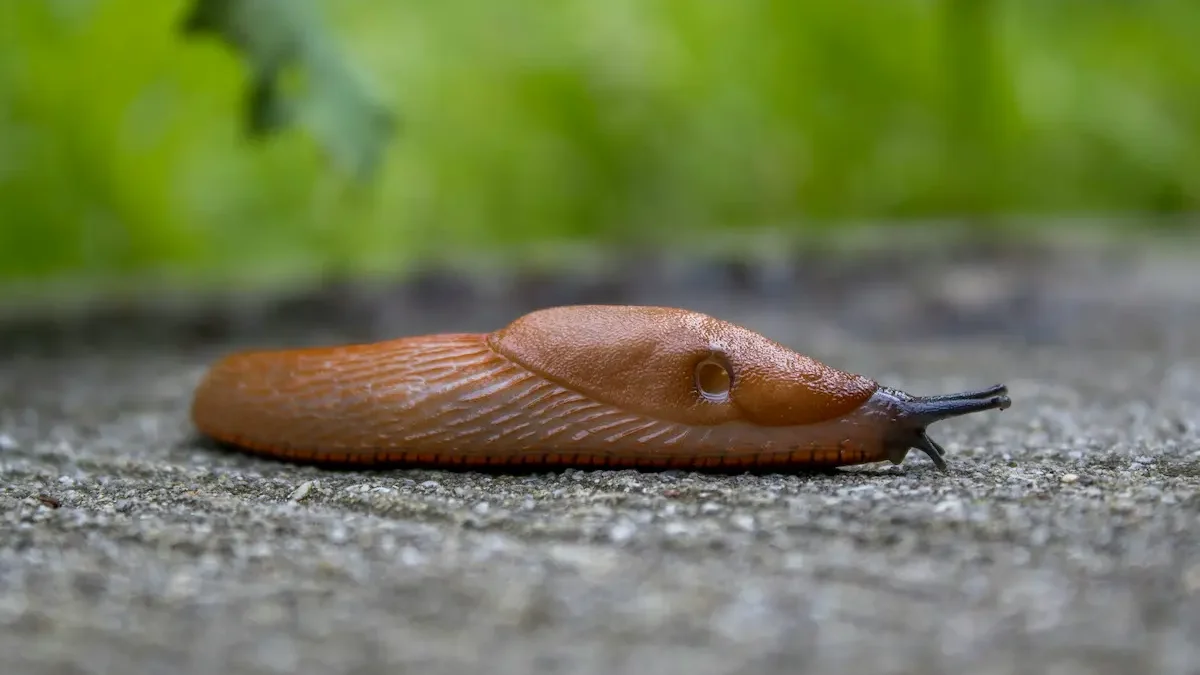
Soil temperatures in the Northeast and Midwest crossed 40°F this week. That is the threshold at which overwintered slug eggs begin hatching — weeks before most gardeners start thinking about pest control.
According to the Oregon State University Extension Service, slug eggs laid in fall overwinter in the soil and hatch rapidly once spring moisture and mild temperatures arrive. By the time seedlings are visible above ground, the first generation of juveniles is already feeding. The damage done in those first two weeks cannot be undone.
This is the week to act — not after transplant day.
The Short Answer
What to do right now, before a single seed goes in the ground:
- Remove all debris, boards, and dense mulch from beds — eliminates 70–80% of slug hiding sites
- Switch all irrigation to morning-only
- Set trap boards to count and remove the existing population
- Choose a barrier or bait method based on budget and bed size
The four methods below are ranked from lowest to highest cost. Each works. The right choice depends on bed size, plant type, and how severe last season’s damage was.
Why March Is the Critical Window
Slugs do not appear from nowhere in May. According to the University of Minnesota Extension, slugs typically spend winter as eggs in protected sites — under mulch, plant debris, boards, and in soil cracks. Those eggs hatch in early spring. The juveniles that emerge are small enough to pass through most barriers and hungry enough to shred seedlings overnight.
Penn State Extension research adds an important variable for 2026: mild winters produce significantly higher spring slug populations. If last winter in your zone was warmer than average — and across much of the Northeast and Midwest it was — expect pressure above the 2024 baseline. The window between now and transplant day is the only time to reduce that population before it reaches seedlings.
What to Do Now: 4 Methods Ranked by Cost
Method 1 — Habitat Removal (Free)
Cost: $0. Effectiveness: High. Time required: 1–2 hours per bed.
This is where every control program should start. The OSU Extension slug management guide identifies habitat modification as the single highest-impact first step — removing 70–80% of the conditions that allow populations to establish, before any bait or barrier is applied.
Remove or relocate: boards, bricks, and flat stones near beds; dense mulch pressed against plant crowns; overwintered leaves and debris between rows; pots sitting directly on soil. Pull mulch 3–4 inches away from any plant stems. Turn over remaining mulch to expose eggs and juveniles to ground beetles and birds.
Zone note: In Zones 4–5 where ground may still be partly frozen, begin this task as soon as the top 2 inches of soil are workable.
Method 2 — Trap Boards ($0–$5)
Cost: Under $5. Effectiveness: High for population monitoring and removal.
Place a piece of untreated wood (12″x12″ minimum), flattened cardboard, or an inverted cabbage leaf at the edge of each bed. According to the OSU Extension, baiting under the board with chopped lettuce and a small amount of brewer’s yeast increases capture significantly. Check traps each morning between 6–8 AM and drop slugs into a bucket of soapy water.
What the numbers tell you: More than 10 slugs per board on consecutive mornings means the population is high enough to warrant adding a bait or barrier method.
Method 3 — Copper Barriers ($15–$60 depending on bed size)
Cost: Moderate upfront, reusable for multiple seasons. Best for raised beds and containers.
When a slug contacts copper, it receives a mild electrical charge and reverses direction. A 3-inch-wide band of copper tape around the perimeter of a raised bed creates an effective barrier when installed on a dry, clean surface with no gaps. Gaps break the circuit. Check after rain and reapply adhesive as needed.
Copper is impractical for large in-ground plots. Do not install copper tape on beds where soil has been recently tilled flush against the barrier edge — slugs will pass underneath through the disturbed soil.
Method 4 — Iron Phosphate Bait ($12–$25 per season)
Cost: Low per application. Best for in-ground plots and high-pressure situations.
Iron phosphate bait — sold as Sluggo, Escar-Go, and generics — is the only slug bait recommended for use around food crops, pets, and wildlife by both OSU and University of Minnesota Extension programs. It causes slugs to stop feeding within hours and die within 3–6 days. Unlike metaldehyde-based products, iron phosphate remains active for up to two weeks after rain.
Scatter lightly across the soil surface in the evening. Do not pile or band. Reapply every 2 weeks during peak pressure. Using more than the label-directed rate does not improve control.
Zone note: In Zones 7–8 where slug populations are already active by late February, begin applications immediately.
What Not to Do
❌ Applying salt. Salt kills slugs on contact but permanently damages soil structure and harms plant roots.
❌ Watering in the evening. Slugs feed at night in cool, damp conditions. According to University of Minnesota Extension, morning watering allows soil surfaces to dry before slug activity peaks after sunset. Switch all irrigation to 6–8 AM.
❌ Waiting for visible seedling damage. By that point, juveniles are established in the root zone. The control window is now, while beds are still empty.
❌ Using metaldehyde bait near food crops or pets. Iron phosphate achieves the same result without the toxicity risk to dogs, cats, and wildlife.
Next 7 Days / Next 30 Days
This week (March 10–17):
- ☐ Clear all debris, boards, and mulch from every bed
- ☐ Set trap boards at the edge of each planting area
- ☐ Switch all irrigation to morning-only
- ☐ Check trap boards each morning and remove slugs
By April 1:
- ☐ If 10+ slugs per board, apply iron phosphate bait
- ☐ Install copper tape on raised beds before first transplants go in
- ☐ Till the top 2–3 inches of in-ground beds to expose overwintered eggs
- ☐ Reapply iron phosphate if more than 10 days have passed since first application