
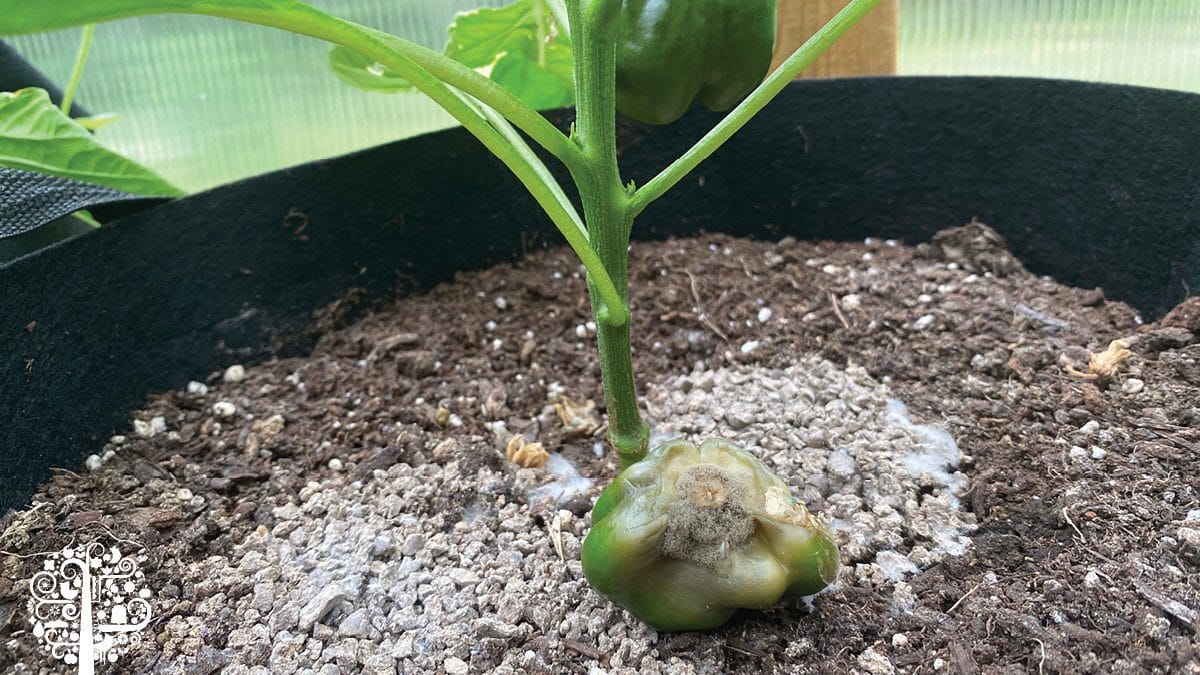
Damping off looks like poor germination. By the time you realise it isn’t, the whole tray is gone. There is no cure once it takes hold — but it is almost entirely preventable with three straightforward changes to how you water and where you grow.
Quick Answer
What it is: a soil-borne disease caused by Pythium, Rhizoctonia, and Fusarium. Kills seedlings at or below the soil line, often before symptoms are visible on leaves.
What causes it: overwatering + cool temperatures + poor airflow. Each factor increases risk; together they are lethal.
What works: water from below, not above. Let the surface dry between waterings. Add a small fan. Use fresh sterile compost. There is no treatment — only prevention.
According to University of Minnesota Extension, low light, overwatering, and cool soil temperatures are all associated with increased damping off — and the disease is particularly severe when any condition slows plant growth, because slower growth extends the time seedlings spend in their most vulnerable stage. The fungi and water moulds responsible — Pythium, Rhizoctonia, and Fusarium — are present in virtually all soils and survive indefinitely. They do not need to be introduced; they need only the right conditions to activate. In cool, wet spring conditions, those conditions exist in almost every seed tray that is overwatered, underfanned, and overcrowded.
How to Recognise It Before the Whole Tray Goes
Wisconsin Horticulture Extension describes the progression: seedlings that appear healthy begin to show constriction at the stem base — tissue becomes water-soaked and thread-like at the soil line before the plant falls over. This visible form is post-emergence damping off. Pre-emergence damping off looks simply like failed germination — seeds rot underground and the grower blames bad seed. If empty cells contain soft, discoloured seed remnants when you scratch below the surface, the problem was damping off, not viability.
| Stage | What You See | What’s Happening | Action |
|---|---|---|---|
| Pre-emergence | Empty cells, no germination | Seeds rotted before emerging — Pythium attack below soil line | Scratch surface for soft remnants. Do not re-sow into same wet compost. |
| Early post-emergence | Stem thins at soil line; slight wilt | Fungal infection at the collar — tissue becoming water-soaked | Improve airflow immediately; stop overhead watering; remove affected plants |
| Late post-emergence | Seedlings collapsed; white fluffy growth visible | Full infection; plant is dead; spores spreading to neighbours | Remove entire affected section. Cannot be saved. |
| Spread phase | Patches of collapse spreading across tray | Spores moved by water splash or air | Remove tray. Disinfect all tools and adjacent trays. Do not reuse compost. |
Why Cool Weather Makes It Worse
Pythium is a water mould, not a true fungus — which explains its affinity for saturated, poorly drained compost. Mississippi State University Extension notes that cool, wet conditions extend the vulnerable window because they also slow plant growth. Once seedlings develop secondary stem tissue they become significantly more resistant. Every prevention measure aims to move seedlings through that vulnerable window as quickly as possible. A heat mat under seed trays, set to 20–22°C (68–72°F), is the single most effective tool for achieving that — faster germination means less time at risk.
What Actually Prevents It
✓ Prevention Checklist
- Water from below, never above— place trays in water and allow compost to absorb upward. Keeps the surface dry where spores germinate.
- Never water in the evening— allow seedlings to dry before temperatures drop overnight. Damp surfaces at cool temperatures are ideal for Pythium.
- Add a small fan— even 2–3 hours of gentle airflow per day dramatically reduces humidity at stem level and soil surface.
- Use fresh sterile seed compost— never reuse potting mix. Pythium and Rhizoctonia persist in old compost indefinitely.
- Sow thinly— overcrowded seedlings trap stagnant humid air between stems, the ideal microclimate for damping off to spread.
- Disinfect trays between uses— soak in 10% bleach solution for 20–30 minutes, rinse well.Wisconsin Extension recommendsnot reusing plastic trays if you have had previous problems.
✗ Common Mistakes
- Watering on a schedule— scratch the surface; if moist at 1 cm, don’t water
- Keeping propagator lids on after germination— remove as soon as seedlings emerge to restore airflow
- Trying to save affected seedlings— there is no cure; remove immediately to stop spread
- Assuming empty cells mean bad seed— check below the surface before concluding viability is the problem
📅 This Week
- Check existing trays — look for thread-like stems at soil line
- Switch to bottom watering if currently watering from above
- Place a small fan near seedling trays — 2 hours/day minimum
- Remove propagator lids from germinated seedlings
📆 Next 30 Days
- Before each new sowing: disinfect trays in 10% bleach, rinse well
- Use only fresh sterile compost — never reuse
- Sow thinly; ensure stems are not touching neighbours
- Water mid-morning only — never evening during cool weeks